
The Best Ways to Use Foldable Furniture
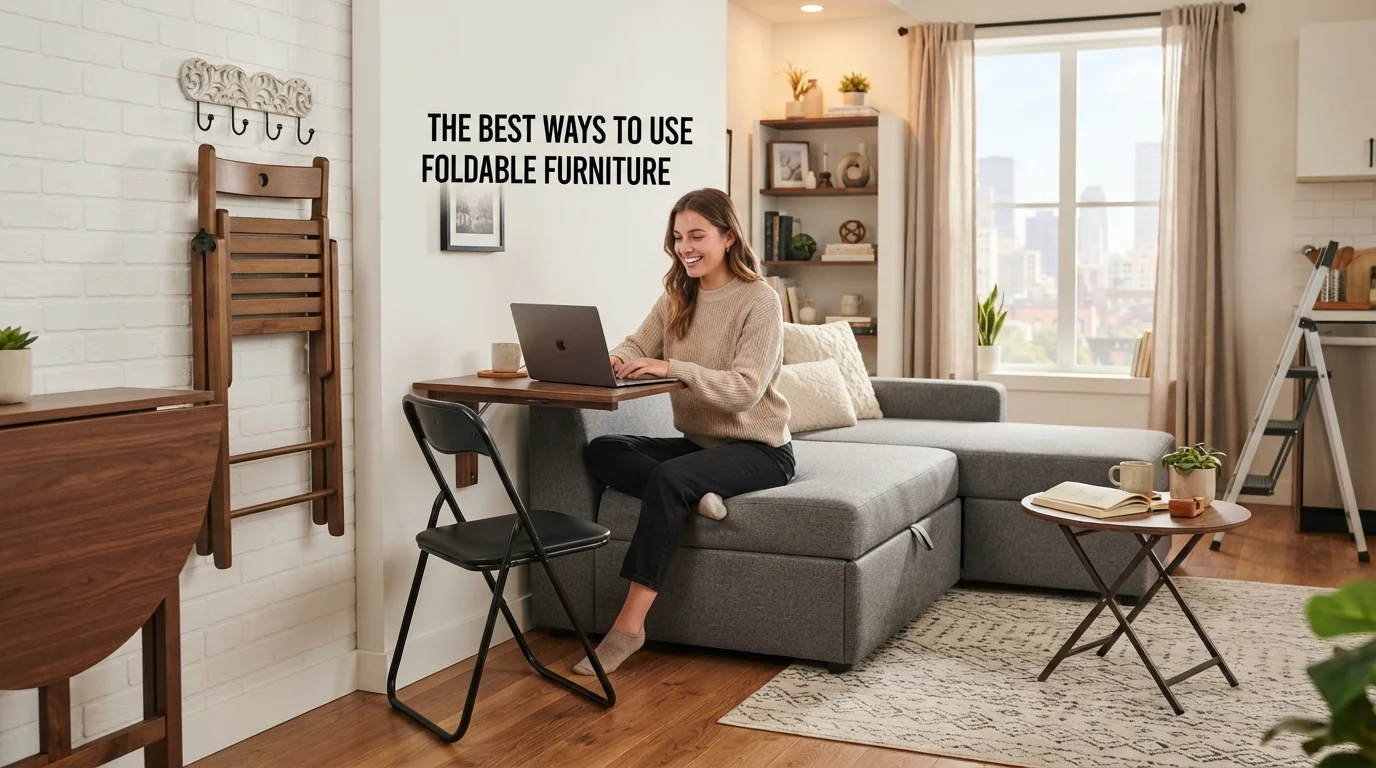
Living in a compact home doesn’t mean you have to sacrifice style or comfort. The right approach to foldable furniture can completely transform how you use every square foot. Whether you’re in a tiny studio or just want a more flexible layout, these movable, collapsible pieces are game-changers.
From wall-mounted desks that vanish after work to dining tables that disappear when you need a yoga mat, foldable designs let your home adapt to your real-life needs. No more cluttered corners or furniture that just sits there. You get function on demand.
Below, we explore the best ways to use foldable furniture in every room, with practical tips and real product ideas. Read on to unlock a smarter, more spacious home—without a costly renovation.
Why Foldable Furniture Works Magic in Small Spaces
Foldable furniture solves the biggest challenge of compact living: the need for multiple zones in a single room. A fold-down desk can turn your living room into a home office by day and fold back into a decorative shelf by dinner. This is the essence of multifunctional home design.
Instead of buying a bulky sofa that dominates the room, you can choose a foldable futon or a drop-leaf table. These pieces reduce visual clutter and give you back precious floor space when you need it. They are the ultimate space-saving furniture solution.
The key is to identify which activities happen in each room and then select foldable items that serve those purposes on demand. This approach makes your home feel twice as large.
Transform Your Living Room with Foldable Seating and Tables
Your living room is likely the most multifunctional space. It needs to host movie nights, work sessions, and dinner parties. Foldable furniture can handle all three without making the room feel like a storage unit.
Consider a foldable coffee table that lifts and expands into a dining table. When not in use, it tucks away flat against the wall. For seating, nesting stools or folding chairs can be stacked in a closet, while a foldable sofa bed offers overnight guest accommodation.
- Drop-leaf tables: Perfect for small dinner parties; leaves fold down when you need floor space.
- Folding ottomans: Use them as seating, a footrest, or a side table. Store them inside each other.
- Wall-mounted foldable shelves: Act as a desk or bar area, then fold flush to the wall.
Create a Home Office That Disappears
Working from home in a small apartment used to mean a permanent desk taking up valuable real estate. Now, foldable furniture ideas let you create a workstation that vanishes in seconds. A fold-down wall desk with a hinged top becomes a piece of art when closed.
Pair it with a folding chair that hangs on a hook behind the door. Your entire office setup takes up zero floor space when you’re off the clock. This is one of the smartest compact living tips for remote workers.
For extra storage, add a foldable wall-mounted shelf above the desk. It keeps your laptop and notebooks accessible but out of sight when folded up. The result is a clean, calm living space every evening.
Maximize Your Bedroom with Foldable Storage and Furniture
Bedrooms in small homes often double as a closet and a workspace. A foldable desk mounted on the wall near the bed gives you a place to write or apply makeup, and it folds flat when you want to relax. No bulky furniture crowding your sleeping area.
Bed frames with foldable sides or trundle drawers are excellent for guests. A foldable wardrobe rack can handle out-of-season clothes and collapse for storage when not needed. These pieces help you keep the room airy and organized.
Another great option is a foldable wall-mounted nightstand. It holds your phone and a book, then folds up to clear the floor for morning stretches or yoga. This is small space solutions at their most practical.
Kitchen and Dining: Foldable Tables and Prep Stations
Foldable furniture in the kitchen can dramatically improve your workflow. A fold-down wall table acts as a breakfast bar or extra prep space, then folds away to keep your kitchen open. For dining, a drop-leaf table expands to seat four and compresses to a slim console.
Consider a rolling foldable kitchen cart. It provides extra counter space when cooking and can be wheeled into a closet or corner when you need the floor clear. If you entertain often, a set of folding bistro chairs stored under the bed can be pulled out instantly.
These foldable dining solutions keep your kitchen from feeling cramped while giving you all the function you need.
How to Choose the Right Foldable Furniture for Your Home
Not all foldable furniture is created equal. Look for sturdy construction with solid hinges and locking mechanisms. Cheap pieces might wobble or break over time. Materials like solid wood or powder-coated steel last longer than particleboard.
Think about the weight and foldability. If you plan to move the item frequently, choose something lightweight yet durable. Also, measure your wall space carefully for wall-mounted options. The best foldable furniture ideas are those you actually enjoy using every day.
Finally, match the style to your room. Many modern foldable pieces come in sleek designs, from Scandinavian minimalism to industrial chic. You don’t have to compromise on aesthetics.
Comparison of Popular Foldable Furniture Types
| Furniture Type | Best For | Folded Size (Approx.) | Key Benefit |
|---|---|---|---|
| Wall-Mounted Desk | Home office, vanity | 4–6 inches deep | Frees up entire floor area |
| Drop-Leaf Dining Table | Dining, crafts | 12–14 inches deep | Expands to seat 4–6 people |
| Folding Ottoman | Seating, storage | Stackable | Multipurpose and portable |
| Collapsible Bed Frame | Guest room, studio | Folds to suitcase size | Portable and easy to store |
| Folding Shelf Unit | Display, storage | Folds flat to 2 inches | Zero assembly, instant storage |
Frequently Asked Questions About Foldable Furniture
Is foldable furniture durable enough for daily use?
Yes, if you buy from reputable brands using sturdy materials like steel frames or hardwood. Look for reinforced joints and weight capacity ratings. Avoid ultra-cheap models for items meant for daily wear, like desks or dining tables.
Can foldable furniture look stylish in a modern home?
Absolutely. Many contemporary foldable pieces are designed with clean lines, neutral colors, and premium finishes. Brands now focus on blending utility with aesthetics, so you can find options that match any decor.
Where should I store foldable furniture when not in use?
Wall-mounted items store flat against the wall. Portable items like folding chairs or ottomans can go in closets, under beds, or behind doors. Use vertical space—hooks, racks, and tall cabinets—to keep them out of the way.
How much weight can a typical wall-mounted foldable desk hold?
Most quality wall-mounted desks support 30 to 50 pounds, enough for a laptop, monitor, and accessories. Check the manufacturer’s specifications before adding heavy items. Proper installation into wall studs is critical.
Is foldable furniture a good investment for renters?
Yes. Foldable furniture is portable and doesn’t require permanent modifications to the apartment. You can take it with you to your next home, making it a cost-effective choice for renters who want flexibility without damaging walls.
Can I use foldable furniture outdoors?
Some foldable furniture is designed specifically for outdoor use, like folding camp chairs, tables, and loungers. Look for weather-resistant materials such as aluminum, teak, or synthetic rattan. Indoor-only models may not withstand moisture or UV exposure.
What is the easiest foldable furniture to set up?
A folding table or chair with a simple latch mechanism is the easiest—no tools required. Wall-mounted units usually need basic installation with a drill, but many come with clear instructions and hardware. Drop-leaf tables are also very user-friendly.
How do I clean and maintain foldable furniture?
Wipe down surfaces with a damp cloth and mild soap. Avoid harsh chemicals that could damage finishes. Lubricate hinges occasionally with silicone spray to keep them moving smoothly. Store items in a dry place to prevent rust or warping.
Conclusion
Foldable furniture is the unsung hero of modern small-space living. When you know the best ways to use foldable furniture, you can create a home that adapts to your life—not one that forces you to adapt to it. From vanishing workstations to expandable dining tables, these pieces let you have it all without the square footage.
Start with one or two key items in the room you use the most. Experiment, rearrange, and enjoy the newfound freedom of a flexible home. The path to a smarter, more spacious life is just a fold away.


