
How to Choose the Right Paint Color for Small Rooms
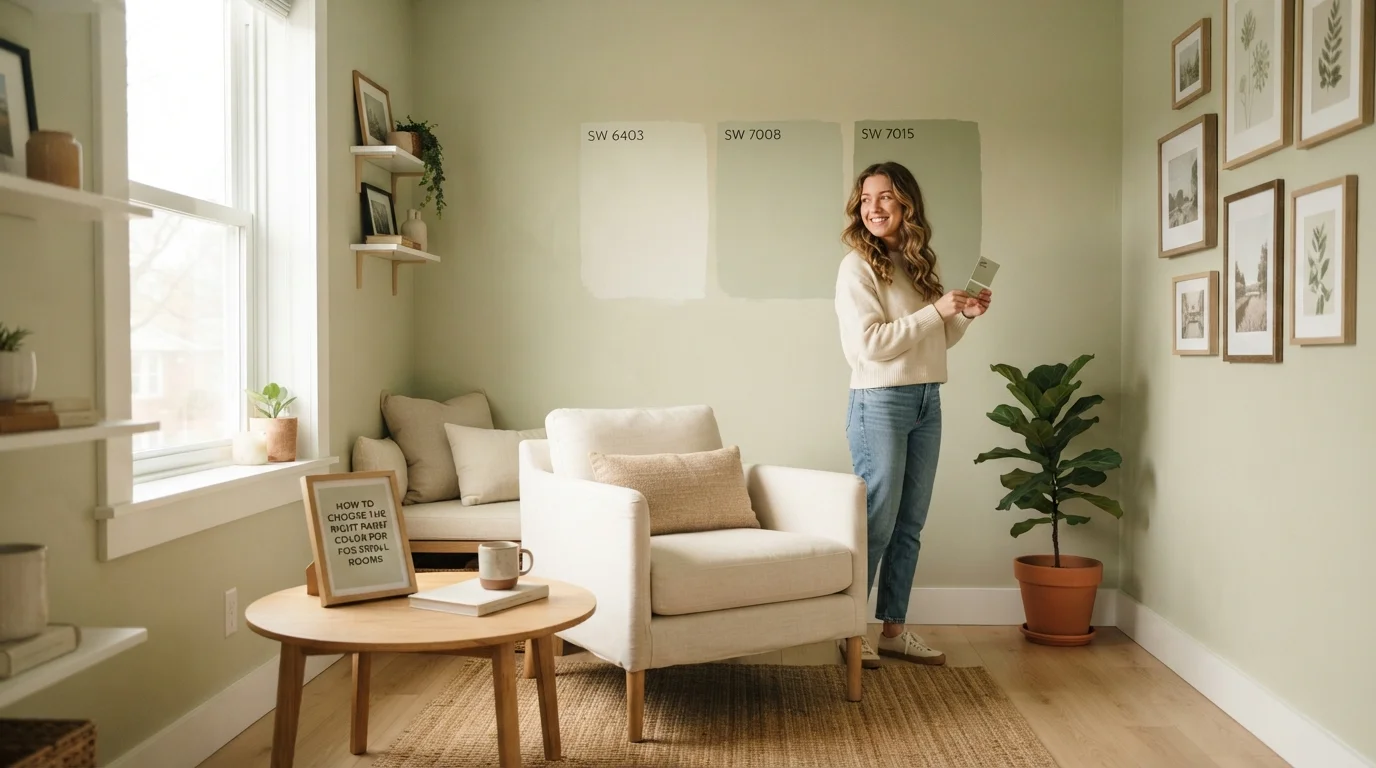
Painting a small room can feel like a high-stakes gamble. One wrong shade, and your cozy den turns into a claustrophobic cave. But get it right, and you can trick the eye into seeing double the square footage.
Understanding how to choose the right paint color for small rooms isn’t just about picking a light color. It’s about understanding light, undertones, and the mood you want to set. Let’s break down the science and the art of small-space painting.
Why Light Colors Aren’t Your Only Option
The old rule “white makes a room look bigger” is half-true. Whites and pastels do reflect more light, which can open up a space. But they aren’t a magic bullet.
If your room lacks natural light, a stark white can feel flat and institutional. Instead, consider warm off-whites or soft greiges. These add depth without shrinking the walls. The key is contrast—use a slightly darker shade on the floor or trim to create boundaries.
For a bold twist, try a dark accent wall. A deep navy or charcoal behind your bed can push the wall backward visually, making the room feel longer. It’s a counterintuitive trick that works wonders in bedrooms or home offices.
Understanding Light: Natural vs. Artificial
Before you buy a single sample, analyze your lighting. Natural north-facing light is cool and blue, so warm-toned paints (like peach or cream) will balance it. South-facing rooms get warm yellow light, where cool grays and blues shine.
Artificial light changes everything. Incandescent bulbs make colors look warmer, while LEDs can cast a sterile blue tint. Always test your paint colors for small rooms on the actual wall and observe them at three times: morning, noon, and evening.
Top 5 Paint Color Families for Small Spaces
Certain shades consistently outperform others when it comes to visual expansion. Here are the best families to consider:
- Soft Whites: Benjamin Moore’s “Simply White” or Sherwin-Williams “Alabaster” – fresh without being cold.
- Greiges: A mix of gray and beige. “Agreeable Gray” is a classic that works with any decor.
- Pale Blues: “Silver Strand” by Sherwin-Williams mimics sky and air, adding height.
- Muted Greens: Soft sage tones bring nature indoors without closing the room in.
- Warm Taupes: Earthy and grounding, ideal for living rooms with limited square footage.
Each of these is forgiving with imperfections and adapts well to changing light throughout the day.
How Sheen Affects Perceived Space
Gloss matters just as much as color. A flat or matte finish absorbs light, hiding wall bumps but also making a room feel smaller. In a small bathroom or hallway, this can feel oppressive.
Eggshell or satin sheens offer a subtle reflection that bounces light around. Use these in high-traffic areas like kitchens or hallways. In tiny powder rooms, a semi-gloss finish can make the walls shimmer, adding a sense of luxury and volume.
Just avoid high-gloss on walls unless you have perfectly smooth surfaces—it shows every flaw.
Color Psychology: What Each Shade Does
Your emotional response to color can make a small space feel like a sanctuary or a cage. Here’s a quick reference:
| Color | Psychological Effect | Best For |
|---|---|---|
| White/Cream | Clean, open, peaceful | Kitchens, bathrooms |
| Soft Blue | Calm, spacious, airy | Bedrooms, home offices |
| Pale Green | Fresh, restorative | Living rooms, entryways |
| Warm Gray | Sophisticated, cozy | Dens, dining nooks |
| Deep Navy | Dramatic, intimate | Accent walls, small powder rooms |
If you aim to work from home in a tiny office, steer clear of bright yellows—they can raise anxiety. Stick to muted tones that soothe rather than stimulate.
The Best White Paint for Small Spaces: A Deeper Look
Searching for the best white paint for small spaces? You need to look at undertones. A pure white (like “Pure White” by Sherwin-Williams) is neutral, but it can feel stark without warm decor.
Warm whites, such as “Swiss Coffee” or “Greek Villa,” have a hint of yellow or beige that softens the room. They pair beautifully with wood floors and natural textiles.
Cool whites, like “Chantilly Lace,” have blue or gray undertones. These work wonders in rooms with tons of sunlight, but in a dim north-facing room, they can look icy cold. Always test a large swatch before committing.
Testing Your Samples Like a Pro
Never trust those tiny 1×1 inch swatches. Paint a large square—at least 12×12 inches—on two or three walls. Live with them for a few days. Look at them next to your furniture and flooring.
Notice how the color shifts. A peach tone might look soft in the morning but bubblegum pink at noon. Document your observations. This step is non-negotiable when you’re learning how to choose the right paint color for small rooms that will actually make you happy long-term.
Frequently Asked Questions
Can dark paint really make a small room look bigger?
Yes, in specific cases. Glossy dark paint creates reflections that push surfaces back. It’s most effective in rooms with ample artificial lighting or as a feature wall.
Should I paint the ceiling white?
Usually, yes. A white ceiling lifts the eye upward, creating height. But for drama, you can paint it the same color as the walls—just make sure it’s a couple of shades lighter.
What is the most popular paint color for small bathrooms?
Soft white or pale greige tops the list. They feel hygienic and expand the space. For a pop, try a muted teal on one wall.
How do I choose a paint color for a windowless room?
Use a warm, light color like cream or light peach. Add mirrors to reflect any light you bring in from lamps. Avoid cool blues—they’ll feel too cold without sunlight.
Does trim color matter in a small room?
Absolutely. Painting trim the same color as the walls creates a seamless look that stretches the room visually. White trim adds contrast and crispness, but it can break the flow.
What sheen is best for a small bedroom?
Eggshell is your best bet. It offers a slight glow for depth but hides imperfections well. Use matte on the ceiling to avoid glare.
Can I use wallpaper instead of paint?
Yes, but choose large patterns (they expand the room) or subtle textures. Small, busy patterns can overwhelm and shrink the space.
Conclusion
Choosing the perfect paint for a small room doesn’t have to be overwhelming. Armed with the right knowledge—about light, undertones, sheen, and psychology—you can transform any tiny space into a room that feels open, welcoming, and uniquely yours.
Remember the golden rule: test before you invest. Your future self will thank you every time you walk through the door. Now go grab those sample brushes and make your small space feel huge.


