
Small Space Ideas That Will Transform Your Life
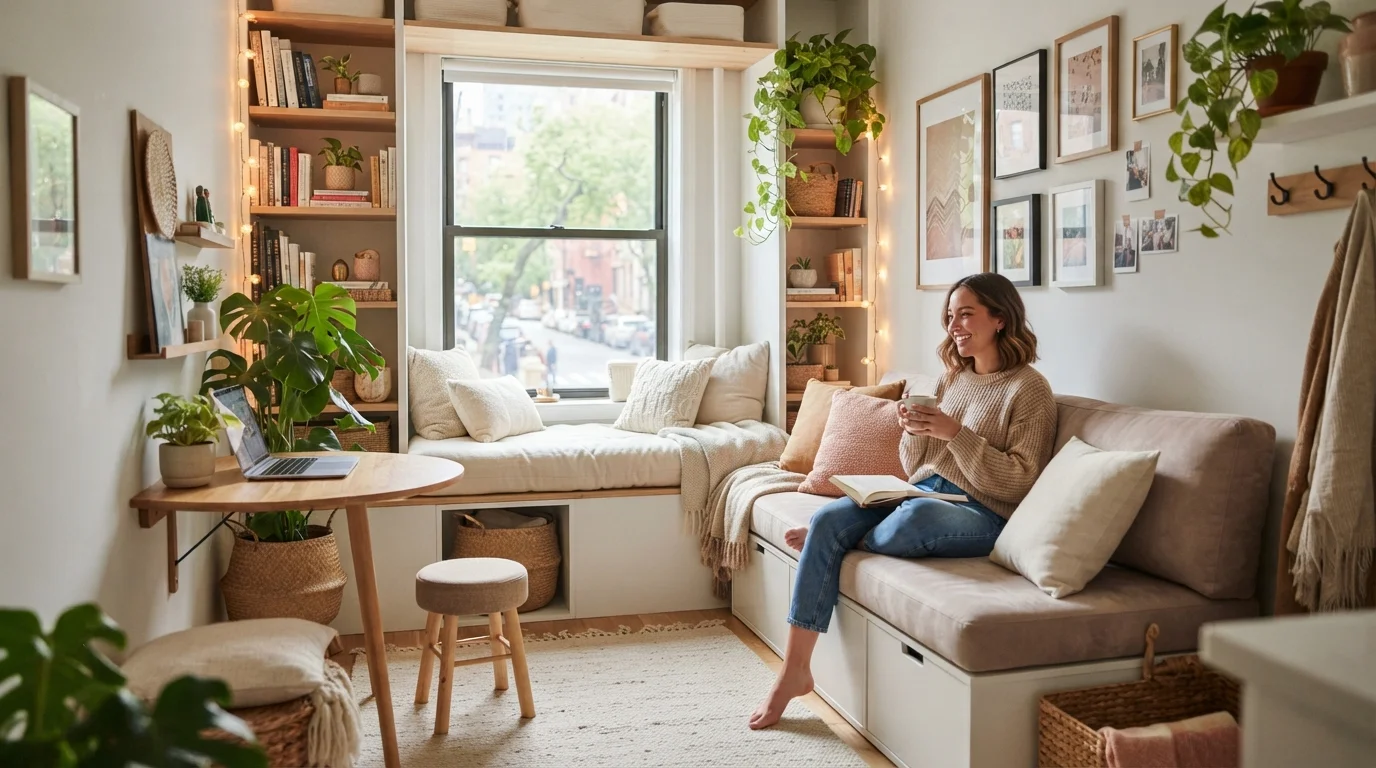
Living in a small space doesn’t mean you have to sacrifice style, comfort, or functionality. In fact, with the right small space ideas, you can turn a cramped studio or cozy apartment into a home that feels open, organized, and effortlessly chic. Whether you’re a city dweller, a minimalist, or just looking to maximize every square inch, these proven strategies will truly transform your daily life.
We’ve curated this guide based on real-world experience and interior design principles that work. From vertical storage to multipurpose furniture, these solutions are designed to help you breathe easier, move smarter, and love where you live. Ready to start living large? Let’s dive in.
1. Embrace Vertical Living with Wall-Mounted Shelving
When floor space is limited, look up. Vertical storage is your best friend for small space living. Install floating shelves above doorways, along empty walls, or even in corners to store books, plants, and decorative items without cluttering your surfaces.
For example, a narrow kitchen wall can hold a magnetic knife strip and spice racks, freeing up precious counter space. In a living room, floor-to-ceiling bookshelves draw the eye upward, making the room feel taller and more expansive.
- Floating corner shelves – perfect for displaying photos and small plants.
- Pegboard systems – ideal for organizing tools, office supplies, or kitchen utensils.
- Hanging wall baskets – store fruits, mail, or toiletries with style.
2. Invest in Multipurpose Furniture That Works Double Duty
Multipurpose furniture is the cornerstone of smart small space ideas. Think beyond the classic sofa bed. Ottomans with hidden storage, nesting tables, and fold-down desks can completely change how you use your home.
A storage bench in the entryway serves as seating and a shoe rack. A coffee table that lifts to become a dining table allows you to host friends without needing a separate dining area. These pieces save room and reduce visual clutter.
Here is a quick comparison of popular multipurpose furniture options:
| Furniture Piece | Primary Use | Hidden Feature |
|---|---|---|
| Storage Ottoman | Footrest & extra seating | Blanket or magazine storage inside |
| Murphy Bed | Bed (folds into wall) | Desk or shelving when closed |
| Expandable Dining Table | Compact table for daily use | Extends to seat 6 guests |
| Sofa with Pull-Out | Seating area | Hidden trundle bed for guests |
3. Use Light Colors and Mirrors to Open Up the Room
Color psychology plays a huge role in how spacious a room feels. Light, neutral tones like white, beige, soft gray, and pastel blues reflect natural light, making walls seem to recede. This is one of the easiest apartment organization tips that doesn’t require physical labor.
Mirrors are another game-changer. Place a large mirror opposite a window to double the light and create the illusion of depth. You can also use mirrored closet doors or a gallery of small mirrors to bounce light around the entire room.
4. Declutter Ruthlessly with Hidden Storage Solutions
Clutter is the enemy of small space living. Every item must have a home, and the best homes are often invisible. Invest in under-bed storage bins, drawer dividers, and behind-door organizers to keep surfaces clean.
Consider furniture with built-in compartments. A platform bed with drawers underneath can store off-season clothes. A TV console with cabinet doors hides electronics and cables. The goal is to see only what you use daily—everything else stays tucked away.
For maximum efficiency, adopt the “one in, one out” rule for clothing and decor. This prevents accumulation and keeps your space feeling airy.
5. Zone Your Space with Rugs and Strategic Layouts
In an open-concept studio, defining separate zones is critical. Use area rugs to visually “cut” the room into a sleeping area, a living area, and a workspace. This trick is a favorite among room layout hacks.
For instance, a small rug under your desk carves out a work zone, while a larger rug under the sofa defines the lounge. You can also use tall plants, room dividers, or even a bookshelf on casters to create separation without building walls.
Arrange furniture to float away from walls when possible. This creates walking paths and makes the room feel less like a narrow hallway.
6. Go Vertical in the Kitchen and Bathroom
These high-traffic rooms often suffer the most from limited space. In the kitchen, install a magnetic strip for knives, a wall-mounted pot rack, and tension rods under the sink for hanging spray bottles.
In the bathroom, over-the-toilet shelving, corner caddies, and magnetic mirrors that double as medicine cabinets are lifesavers. Use clear acrylic organizers to see everything at a glance, reducing time spent rummaging.
Even a simple small space ideas like adding a slim rolling cart between the fridge and counter can store pantry items or cleaning supplies.
7. Choose Furniture with Exposed Legs
Sofas, chairs, tables, and beds with exposed legs create a sense of transparency and airflow. Because you can see the floor underneath, the room feels larger than it is. This is a classic design trick used by professional interior stylists.
Pair this with light-colored walls and a consistent flooring material (like wood-look vinyl) to eliminate visual breaks. The result is a seamless, spacious look that requires zero extra square footage.
8. Make Every Wall a Statement Wall (Strategically)
While neutral walls make a room feel big, a single accent wall can add personality without overwhelming the space. Choose the wall opposite the entrance to draw the eye inward, giving the illusion of depth.
Use removable wallpaper, a bold paint color, or a large piece of art. Just keep the other walls and furniture minimal. This creates a focal point that distracts from the room’s small size.
9. Optimize Window Treatments for Natural Light
Heavy drapes consume visual space. Instead, use sheer curtains, roller shades, or bamboo blinds that sit flush with the window. Mount curtain rods as high as possible—close to the ceiling—to make the ceiling appear higher.
If privacy isn’t a concern, skip curtains altogether and use window film for a frosted-glass effect. This lets in maximum light while still offering a degree of seclusion.
10. Use Smart Tech and Minimalist Decor
Wireless charging stations, smart speakers, and cordless lamps reduce cable clutter. Pair these with minimalist decor: a single vase, a sculptural lamp, or a stack of three coffee table books.
Over-decorating is a common mistake in small spaces. Adopt the “less is more” mantra. Each item should have a purpose, a beauty, or both. Regularly edit your decor to keep only what sparks joy—Marie Kondo style.
Frequently Asked Questions (FAQ)
1. What is the best way to make a small room look bigger?
Use light-colored walls, large mirrors, and furniture with exposed legs. Keep the floor visible and avoid heavy drapes. Strategic lighting also helps—use multiple light sources at different heights.
2. How do I organize a small apartment on a budget?
Repurpose items like shoe boxes for drawer dividers. Use tension rods for under-sink storage. Thrift store baskets and pegboards are cheap but effective apartment organization tips.
3. Can I have a home office in a tiny space?
Absolutely. Use a wall-mounted fold-down desk, a rolling cart, or a narrow console table. A corner of the living room or a closet converted into a workstation works wonders.
4. What color makes a room feel the most spacious?
White, off-white, and pale gray are top choices. Cool pastels like light blue or sage green also work. High-gloss paint on the ceiling can reflect light and add height.
5. Are loft beds a good idea for small bedrooms?
Yes, especially for kids or young adults. Loft beds free up floor space for a desk, seating, or storage. Just ensure the ceiling height is sufficient to sit up comfortably.
6. How do I create privacy in a studio apartment?
Use a decorative room divider, a tall bookcase, or floor-to-ceiling curtains. A four-poster bed with drapes can also create a cozy sleeping nook.
7. What is the #1 mistake people make in small spaces?
Overcrowding. Buying furniture that is too large, or having too many decorative items, makes a small space feel claustrophobic. Measure everything before you buy.
8. Can rugs really help define zones?
Yes. Rugs act as visual anchors for each area. Use different textures or patterns to distinguish the sleeping zone from the living zone in an open layout.
Conclusion
Living small doesn’t mean thinking small. With these small space ideas, you can transform your home into a functional, beautiful sanctuary that supports your daily rhythm. Start with one or two changes—like adding vertical shelves or swapping a bulky coffee table for a lift-top version—and watch your space come alive.
Remember, the key is intentionality. Every piece you bring in should earn its square footage. Embrace the challenge, get creative, and enjoy the freedom that comes from a well-edited, cleverly designed home. Your small space has big potential—now go unlock it.


