
Bedroom Lighting Secrets for a Soothing Atmosphere
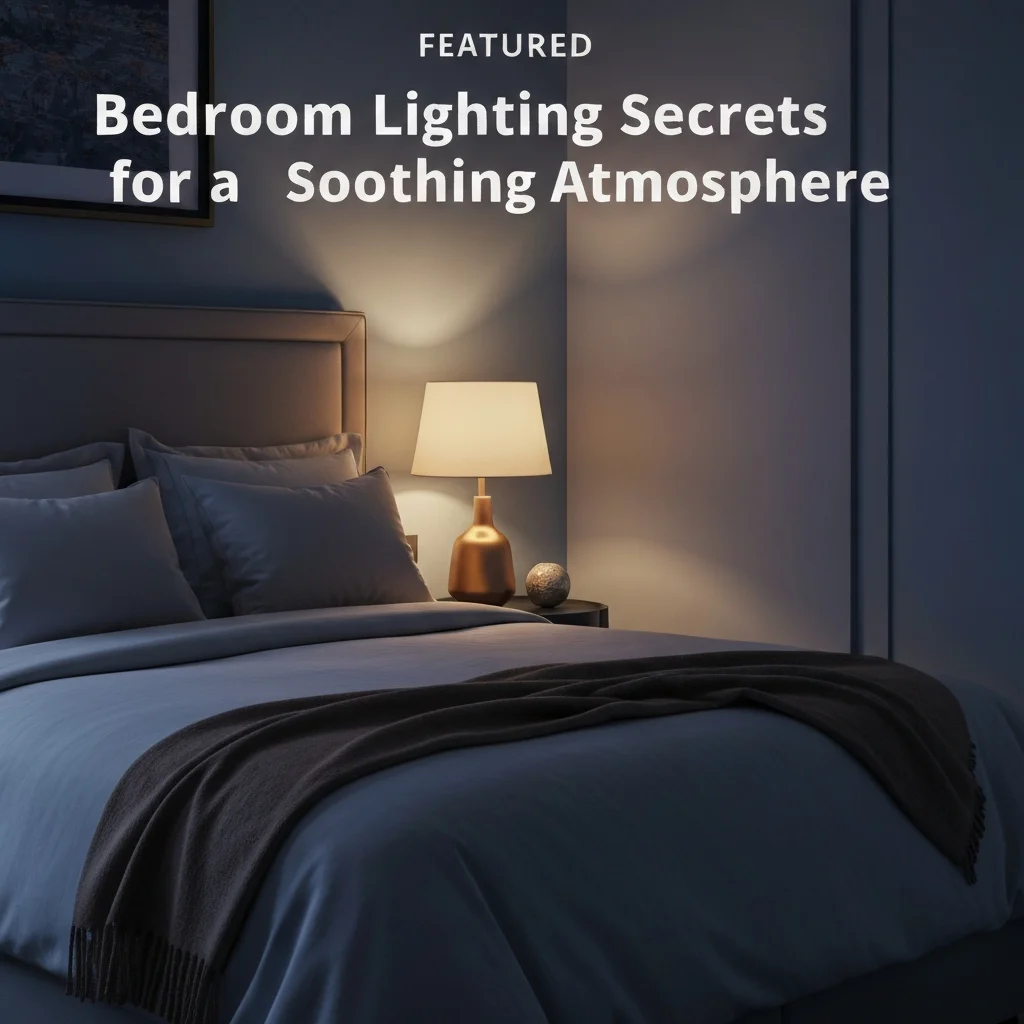
Lighting can make or break your bedroom vibe. Harsh overhead lights kill relaxation, while the right glow soothes your mind and preps you for deep sleep. After 15 years in home design, I’ve seen how simple lighting tweaks transform a bedroom from chaotic to calm.
In this guide, I’ll share bedroom lighting secrets that professionals use to craft a truly soothing atmosphere. You’ll learn how layers, color temperature, and fixture placement work together. Let’s get your sleep sanctuary on track.
Why Layering Light Matters for a Calming Bedroom
One light source never works. Think about it — a single ceiling fixture creates harsh shadows and uneven brightness. That’s the opposite of calm.
Layered lighting uses three types: ambient, task, and accent. Ambient is your base glow, often from a dimmable flush mount or recessed lights. Task lighting focuses on reading, dressing, or makeup. Accent lighting highlights art, headboards, or architectural details.
When you layer these, your brain perceives a balanced, peaceful space. You can dim or brighten according to your mood. This is one of the most effective bedroom lighting secrets for instant serenity.
Choose the Right Color Temperature for Sleep
Color temperature is measured in Kelvins (K). Lower numbers mean warmer, yellower light. Higher numbers mean cooler, bluer light — and that blue light disrupts melatonin production.
For a soothing bedroom, stick to warm white light between 2700K and 3000K. Avoid anything above 3500K, which mimics daylight. Your body needs to wind down, not wake up.
Smart bulbs let you adjust color temperature throughout the day. Use cooler tones in the morning for energy, then shift to warm amber at night. This mimics natural daylight cycles and supports healthy sleep.
Best Bedside Lamps for Relaxation
Your nightstand lamp isn’t just for reading. It sets the mood right before bed. Look for lampshades made of fabric or frosted glass — they diffuse light gently and reduce glare.
Position the lamp so the bottom of the shade sits at eye level when you’re in bed. This prevents direct light from hitting your eyes while you’re lying down.
- Table lamps with warm fabric shades — create soft, enveloping pools of light.
- Wall-mounted swing-arm lamps — save nightstand space and can be angled exactly where needed.
- Smart bedside lamps with warm dimming — let you adjust brightness without getting up.
- Cordless portable lamps — allow flexible placement and eliminate cable clutter.
Pro tip: always choose bulbs with a dimmable LED. Dimmable bulbs allow you to lower brightness by 90% for a truly calming bedtime ritual.
Table: Comparing Common Bedroom Light Fixtures
| Fixture Type | Best For | Color Temp (K) | Dimmable? |
|---|---|---|---|
| Flush mount ceiling light | Ambient base light | 2700–3000 | Yes (with dimmer switch) |
| Bedside lamp | Reading, mood | 2700–3000 | Yes, ideally |
| Pendant light | Task / accent over nightstands | 2700–3000 | Yes |
| LED strip under bed frame | Accent / night safety | 2700 (warm) | Yes (remote control) |
Dimmer Switches Are a Game Changer
If you only do one thing, install a dimmer switch for your main ceiling light. It’s cheap, easy to install, and completely changes the room’s flexibility.
Bright for making the bed in the morning, dim for winding down at night. Dimmers let your eyes adjust gradually, preventing that jarring “light shock” when you flip a switch.
Combine dimmers with warm bulbs for the ultimate soothing atmosphere. Many smart dimmers even integrate with voice assistants, so you can control brightness without touching a switch.
Avoid Common Bedroom Lighting Mistakes
Even experienced decorators fall into these traps. Knowing them helps you skip the headache.
First, don’t rely solely on overhead lighting. It’s unflattering and creates a flat, sterile feel. Always add secondary sources.
Second, avoid cool white bulbs (4000K+). They look clinical and suppress sleep hormones. Stick to warm tones.
Third, don’t forget about shadows. A single lamp placed poorly can cast dark shadows on your face. Use multiple sources at different heights to eliminate harsh contrasts.
Finally, ignore fixture scale. A tiny lamp on a large nightstand looks ridiculous. A huge floor lamp in a small corner feels oppressive. Match size to space.
Frequently Asked Questions About Bedroom Lighting
What’s the best bulb color for a bedroom?
Warm white at 2700K to 3000K. This mimics candlelight and sunset, helping your body prepare for rest.
Can I use smart bulbs for a calming bedroom?
Absolutely. Smart bulbs let you schedule brightness and color changes. Set a “wind-down” scene that dims to warm amber an hour before bed.
How many light sources do I need in a bedroom?
At least three: one ambient (ceiling or floor), one task (beside lamp or reading light), and one accent (wall sconce or strip). More is fine if they’re on different switches or dimmers.
Should I put lights behind my headboard?
Yes, but carefully. LED strips behind the headboard create a floating glow that adds depth. Use warm white and make sure the strip is fully hidden.
What’s the ideal height for a bedside lamp?
The bottom of the lampshade should be between 18 and 24 inches above your mattress. This places the light above eye level when sitting up.
Are floor lamps good for bedrooms?
Yes, especially in corners where you need extra ambient light. Choose one with a fabric shade and a dimmer switch for flexibility.
Do I need different lighting for a small bedroom?
Not really. Small rooms actually benefit more from layered lighting since they feel boxy with just one overhead. Use wall-mounted sconces to save floor space.
Can lighting really improve my sleep quality?
Research says yes. Exposure to warm, dim light in the evening signals your brain to release melatonin. Cool, bright light does the opposite. Lighting is a key part of sleep hygiene.
Conclusion
Mastering bedroom lighting secrets doesn’t require a designer’s budget — just a thoughtful approach. Start with warm bulbs, add a dimmer, and layer your sources. Your bedroom will shift from a space you just sleep in to a sanctuary you truly unwind in.
Focus on calming bedroom decor by prioritizing how light feels, not just how it looks. Test different fixtures, adjust placement, and don’t be afraid to experiment. Your perfect sleep environment is just a few bulbs away.


