
The Best Ways to Organize Your Walk-in Closet
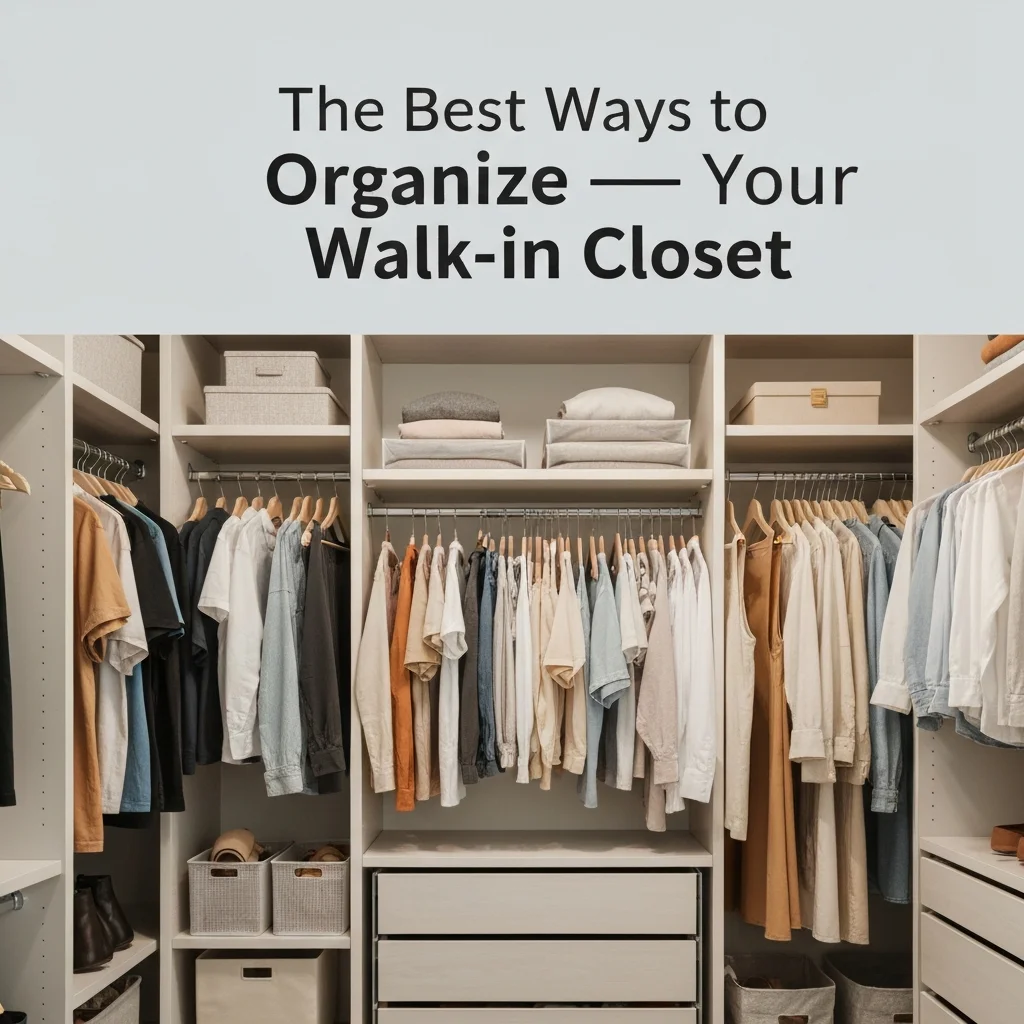
Let’s be real: a walk-in closet is a luxury, but it can quickly turn into a chaotic black hole if you don’t have a solid system. You know the feeling—digging through piles of sweaters to find that one belt, or buying duplicates of a shirt because you can’t see what you already own. The best ways to organize your walk-in closet aren’t about buying expensive bins; they’re about creating habits and layouts that work with your lifestyle. Whether you’re starting from scratch or just need a reset, this guide will give you actionable closet storage solutions that actually last.
1. Start with a Full Inventory and a Ruthless Purge
Before you buy a single organizer, you need to see exactly what you own. Pull everything out—yes, everything—and lay it on your bed or a clean floor. This step separates the dreamers from the doers. As you handle each item, ask yourself three questions: Do I love it? Have I worn it in the last year? Does it fit?
Be merciless with the “maybe” pile. If a garment is stained, pilled, or doesn’t spark joy, donate or recycle it. This clears mental space and physical room. You’ll usually end up discarding 30% to 50% of your wardrobe, which instantly gives your walk-in closet organization ideas a fresh start.
Once you have your keep pile, group items by category: tops, bottoms, dresses, outerwear, shoes, and accessories. This step reveals your biggest needs—like if you have three times more shoes than shelving permits.
2. Zone Your Closet Like a Pro
Professional organizers swear by zoning, and for good reason: it eliminates decision fatigue every morning. Think of your walk-in as a boutique where every category has its designated neighborhood. The high-traffic areas (at eye level) should hold your daily essentials: work blouses, go-to jeans, and favorite jackets.
- High zone (above eye level): Off-season storage, formal wear, and rarely used luggage.
- Middle zone (eye to waist): Everyday tops, pants, dresses, and blazers.
- Low zone (below waist): Shoes arranged by type, folded sweaters, denim, and bins for accessories.
Keep like with like. Group all your black trousers together, all your blazers together, and so on. This visual consistency makes getting dressed faster and helps you spot gaps in your wardrobe. It’s one of the simplest yet most effective bedroom design tips for busy mornings.
3. Invest in the Right Hangers and Hardware
Not all hangers are created equal, and using mismatched, flimsy ones makes your closet look messy no matter how tidy you are. Swap out dry-cleaner wire hangers for velvet, non-slip hangers. They’re thin, space-saving, and keep clothes from sliding off.
Use wooden hangers for suits and heavy coats, and clip hangers for skirts and trousers. Dedicate a section for belts and ties using a simple wall-mounted rack. A good rule: if you see more than 10% of your closet floor, you need more vertical storage or a different system.
Walk-in closet organization ideas work best when hardware creates clear divisions. Install a double rod in your tall section to double hanging space for short items like shirts and folded pants. For accessories, add a few slim, clear acrylic drawers on a shelf so you can see your watches, sunglasses, and jewelry without digging.
4. Master the Art of Folding to Maximize Closet Space
Folding isn’t just for Marie Kondo fans—it’s a critical skill for maximizing shelf space. The KonMari method (folding into compact rectangles that stand upright) is a game-changer for drawers and cubbies. When clothes stand vertically, you can see everything at a glance without pulling out a stack.
Here’s a quick comparison of folding methods to help you decide what works for your items:
| Item Type | Best Fold Method | Why It Works |
|---|---|---|
| T-shirts | KonMari upright fold | Maximizes drawer depth; easy to grab one |
| Sweaters | Flat stack (no more than 5 high) | Prevents stretching and pilling |
| Jeans | Roll or fold lengthwise | Saves space and reduces wrinkles |
| Activewear | Roll tight | Compact storage; quick to unroll |
For items like sheets and towels in a closet, the same principle applies: fold them into uniform rectangles and store them on high shelves. This method is one of the most underrated closet storage solutions because it uses every inch of vertical space.
5. Use Storage Bins Wisely (and Label Everything)
Bins are your best friend, but only if they serve a purpose. Avoid using bins for daily items you need to access often—they quickly become “out of sight, out of mind” black holes. Instead, use clear, stackable bins for seasonal items like heavy coats, swimsuits, or holiday-specific clothing.
If you use opaque bins, label them clearly with a label maker or chalkboard tags. This is crucial for maximizing closet space because you’ll never waste time guessing what’s inside. Reserve a bin for “giveaway clothes” so you can drop them off monthly without hesitation.
For shoes, use clear sneaker boxes if you have a lot of pairs. They stack neatly and let you see the silhouette without opening the box. For bags and clutches, use upright fabric dividers inside a bin to keep them from crushing each other.
6. Optimize Lighting and Accessories
You can’t organize what you can’t see. Good lighting is non-negotiable in a walk-in closet. If you have a single overhead light, add a battery-operated puck light or LED strip under shelves. Warm light (around 3000K) makes colors look accurate and creates a cozy, boutique feel.
Add a full-length mirror on the inside of the door or a wall. Not only does it help you style outfits, but it makes the space feel larger. A small stool or ottoman gives you a place to sit while putting on shoes, which also forces you to keep the floor clear.
These small tweaks elevate your bedroom design tips into real daily comfort. If your closet doubles as a dressing room, add a small tray for cologne, a jewelry dish, and a hook for your robe. This turns a utilitarian space into a luxurious part of your home.
7. Establish a Weekly Reset Routine
The best ways to organize your walk-in closet are useless if you don’t maintain them. Set aside 15 minutes every Sunday evening to reset. Put clothes back on hangers, hang up items that ended up on the chair, and quickly return shoes to their cubbies.
Also, do a 5-minute “donation scan” each month while you’re choosing an outfit. If you grab something and think “I never wear this,” drop it into the giveaway bin immediately. This micro-habit prevents clutter from creeping back in.
By treating your closet like a living system that needs care, you ensure that the time you invested in organization pays off for years to come.
Frequently Asked Questions
1. What is the best way to start organizing a walk-in closet?
Start by taking everything out and sorting into three piles: keep, donate, and trash. Then group by category before you buy any storage products. This gives you a clear picture of what you actually have and what you need.
2. How do I maximize closet space without a built-in system?
Use adjustable shelving, double-hanging rods, and clear bins. You can also add over-the-door hooks for bags and scarves. The key is to use vertical space efficiently—stacking, rolling, and hanging where possible.
3. Should I fold or hang sweaters?
Fold sweaters to prevent stretching from hangers. Stack them on a shelf, no more than 5 high, so you can see each one without disturbing the pile. Heavier wool sweaters especially benefit from this treatment.
4. How often should I declutter my walk-in closet?
Aim for a deep declutter twice a year (spring and fall) and a quick 15-minute check monthly. This keeps the wardrobe fresh and prevents accumulation of unworn items.
5. What are the best hangers for a small closet?
Velvet-covered slimline hangers are ideal. They take up less space, prevent clothes from slipping, and give a uniform look. Use them for almost everything except heavy coats, which need wood.
6. How do I organize shoes to see them all?
Clear, stackable shoe boxes are great for visibility. Alternatively, use tiered racks on shelves. Keep match pairs together and store out-of-season shoes on a high shelf in labeled bins.
7. Can I organize a walk-in closet on a budget?
Absolutely. Start with simple cardboard dividers made from cut shoeboxes, use tension rods to hang scarves, and repurpose old containers for accessories. The key is the system, not the price tag.
8. How do I keep my closet from getting messy again?
Implement a “one in, one out” rule: every time you buy a new item, donate an old one. Also, always hang or fold clothes immediately after washing. Never toss clean clothes on a chair.
Conclusion
Organizing your walk-in closet doesn’t require a renovation or a huge budget—it requires intention. By purging ruthlessly, zoning your space, using the right hangers, and mastering simple folding techniques, you can transform your closet into the most functional room in your house. Remember, the best ways to organize your walk-in closet are the ones that fit your personal habits and your daily routine. Start with one shelf, one section, or one category today. Your future self will thank you every morning when you find exactly what you need in seconds.


