
The Secret to Perfect Bedroom Symmetry
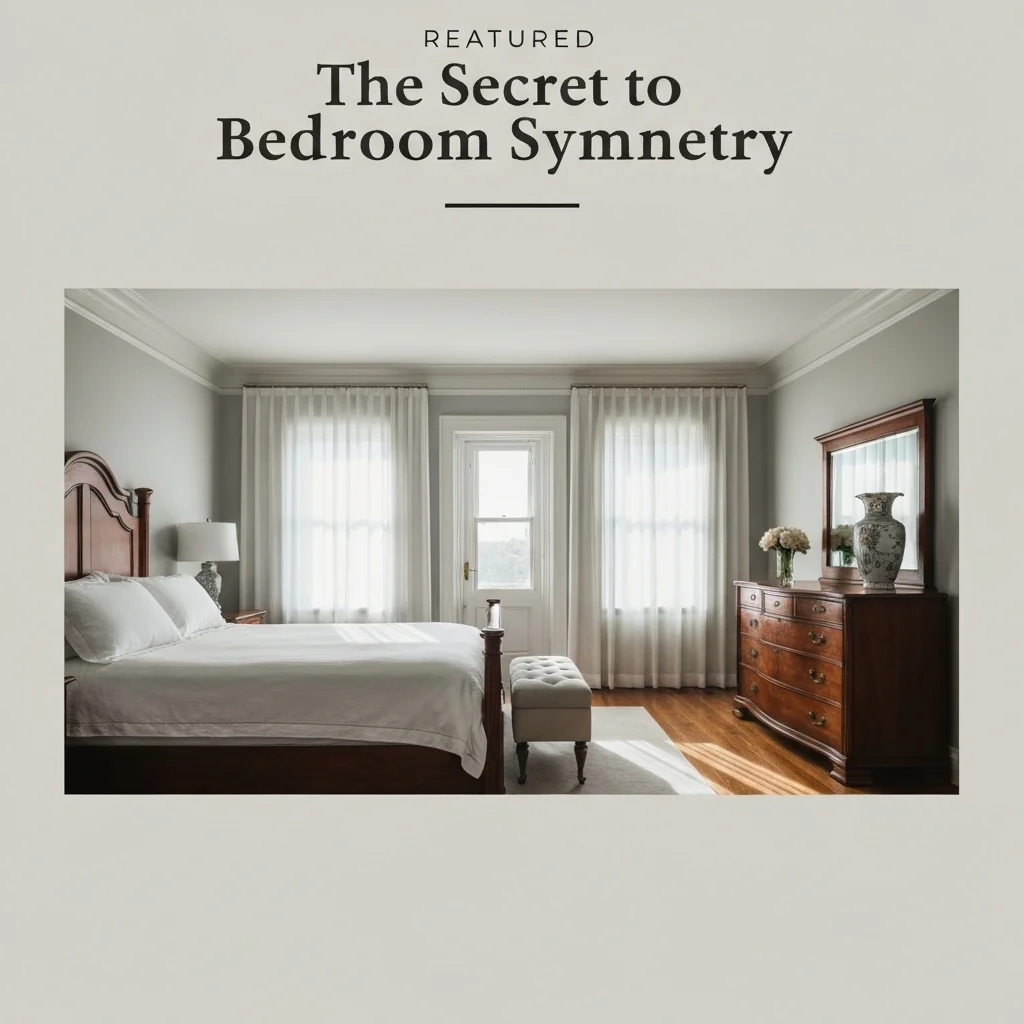
Ever walked into a hotel room and instantly felt at peace? Chances are, the secret was bedroom symmetry. That quiet, balanced energy isn’t accidental. It’s a design principle that makes a space feel orderly, restful, and effortlessly polished. The best part? You don’t need a professional decorator to nail it. Let’s walk through how to bring that same harmony into your own home.
What Is Bedroom Symmetry and Why Does It Work?
Symmetry in design means mirroring elements on either side of a central focal point. In a bedroom, the bed is almost always that center. Think matching nightstands, identical lamps, and coordinated pillows. This arrangement taps into our brain’s natural love for order. It feels safe, predictable, and calming—perfect for a room dedicated to rest. Bedroom symmetry isn’t about being stiff; it’s about creating a visual anchor that helps your mind unwind.
Start with the Bed: Your Symmetry Anchor
Your bed is the star of the show. To build bedroom balance, place it directly against the largest wall—ideally centered. From there, everything else mirrors it. Use a headboard with clean lines to strengthen that central focus. Even the pillow arrangement matters: pair of standard pillows, pair of queen-size pillows, and one lumbar in the middle. This creates a balanced, inviting look without extra effort.
- Choose a bed frame with symmetrical lines (avoid asymmetrical canopies).
- Center the bed under a window or wall art for a natural focal point.
- Use an even number of pillows (2, 4, or 6) for instant harmony.
Mirror Nightstands and Lighting for Instant Order
Nothing screams symmetrical bedroom design like matching nightstands. They should be the same height, width, and style. Place one on each side of the bed, leaving enough space to move comfortably (at least 2 feet from the bed edge). Top them with identical lamps or sconces. This visual repetition creates a sense of rhythm. If you have a reading nook or dresser, repeat the same lamp style elsewhere for cohesion.
Pro tip: If your room is small, skip bulky nightstands and use slim floating shelves. Still mount matching sconces above them. The visual symmetry stays intact, and you free up floor space.
Don’t Forget the Floor: Rugs and Mirroring
A well-placed rug reinforces master bedroom layout harmony. Choose a rectangular rug that extends at least 18 inches beyond the sides and foot of the bed. The rug’s pattern should be symmetrical—think stripes, geometric repeats, or a central medallion. Avoid random organics here; symmetry loves structure. If you have two small rugs, place one on each side of the bed for a mirrored effect.
| Element | Symmetrical Choice | Asymmetrical Alternative (If Needed) |
|---|---|---|
| Nightstand | Matching pair, same wood & height | Floating shelves with matching lamps |
| Lighting | Identical table lamps or wall sconces | Pendant lights at same height |
| Artwork | One large piece centered above the bed | Two matching canvases side by side |
| Pillows | Even number, same fabric & size | Odd number if layered with symmetry |
Balance Your Wall Decor and Window Treatments
When it comes to art and windows, symmetry still rules. Hang a single large piece of art centered above the headboard, or use a pair of identical prints flanking the bed. For windows, treat them as a pair. If you have one window, center the bed beneath it and hang curtains that extend equally on both sides. This draws the eye outward and creates bedroom balance even with a single opening.
Window treatments should match exactly: same length, same color, same style. Roman shades or floor-length drapes work beautifully. Avoid mixing blinds on one side and curtains on the other—it breaks the visual flow.
Add Accents Without Breaking the Symmetry
Once the core structure is balanced, you can sprinkle in asymmetry for personality. Think of it as the “70/30 rule”: 70% symmetrical, 30% intentional asymmetry. A soft throw tossed casually over one corner, a single decorative vase on one nightstand, or a unique plant on the dresser. This keeps the room from feeling too rigid. The secret to perfect bedroom symmetry is knowing when to break it.
Just keep the heavier items (furniture, lighting, rugs) symmetrical. Small decorative touches can be playful. That’s how you get a space that feels both organized and lived-in.
Frequently Asked Questions (FAQ)
Does bedroom symmetry work in small bedrooms?
Absolutely. In small bedrooms, symmetry makes the space feel larger and more organized. Use slim nightstands and matching wall sconces to save floor space while keeping the balanced look.
Can I have symmetry if my bed is in a corner?
It’s trickier, but possible. Focus on one side of the bed with a single nightstand and lamp. Balance the other side with a tall plant or floor lamp at the same visual weight. Not perfect mirroring, but still harmonious.
What furniture arrangement creates the best bedroom symmetry?
Bed centered on the longest wall, matching nightstands on each side, and a dresser or bench at the foot of the bed. Keep the furniture line parallel to the walls for clean geometry.
Do I need matching lamps for symmetrical bedroom design?
You don’t need identical lamps, but they should be the same height, style, and color temperature. Matching bases with different shades can work if the proportions are equal.
Can I use asymmetry in a symmetrical bedroom layout?
Yes! Introduce asymmetry through soft furnishings like a corner armchair, a unique rug pattern, or a single piece of art on one wall. The core furniture should stay symmetrical.
Should wallpaper or paint be symmetrical too?
If using a pattern, choose one that repeats evenly. A large-scale geometric print or vertical stripes enhances symmetry. Avoid random or one-sided murals unless they are centered precisely.
How do I add color without breaking balance?
Use symmetrical color blocks. Paint the wall behind the bed a deep accent, and repeat that color in pillows, a throw, or a rug on both sides. Balance is about weight, not just shape.
Is symmetrical bedroom design outdated?
Not at all. Modern interior design still leans on symmetry for calmness. The key is blending it with organic materials (wood, linen) and a few asymmetrical decor pieces to keep it fresh.
Conclusion
Perfect bedroom symmetry isn’t about being rigid—it’s about creating a visual rhythm that soothes your mind. Start with your bed as the anchor, mirror your nightstands and lighting, and let the rest fall into place. Use the 70/30 rule to keep things from feeling like a furniture catalog. Your bedroom will transform from a cluttered catch-all into the serene, balanced space you deserve. Try it tonight, and feel the difference.


