
Scandinavian Bedroom Decor Ideas
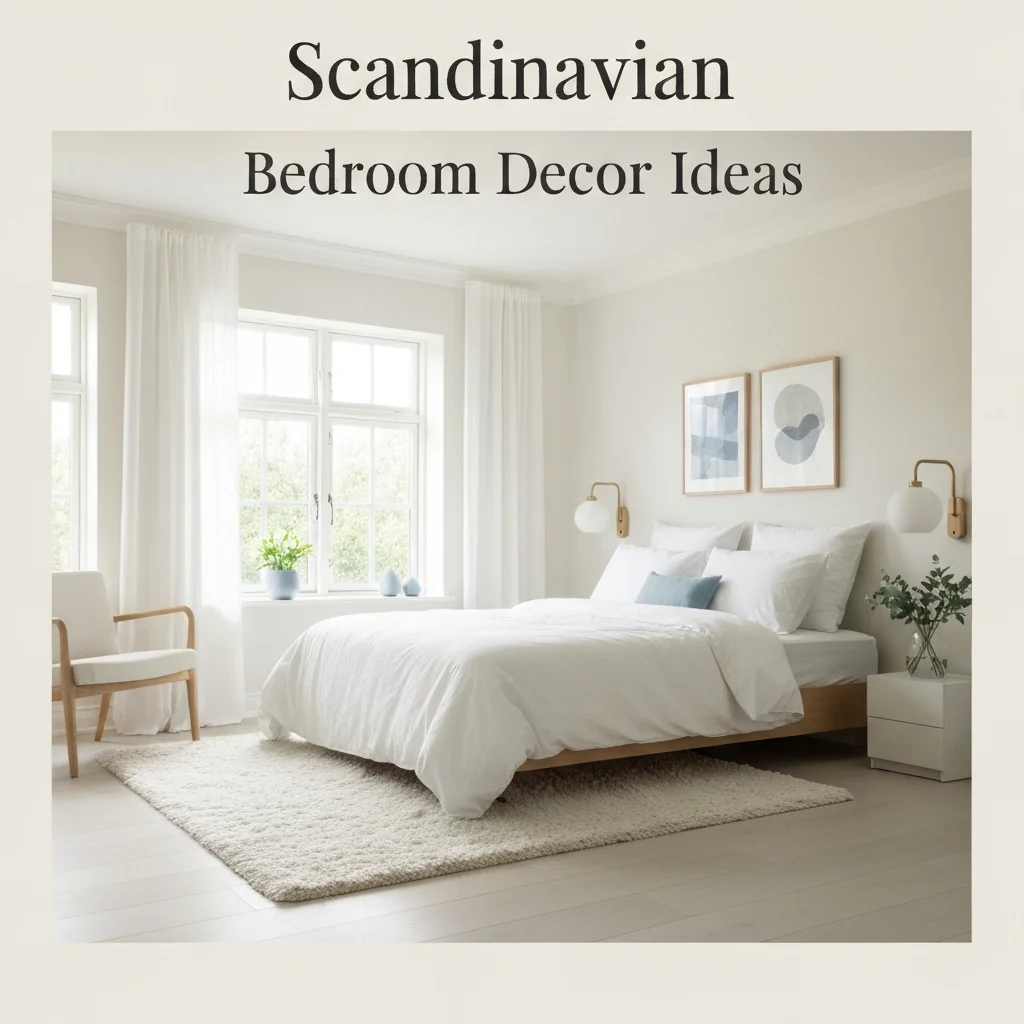
Bringing a touch of the Nordic region into your home doesn’t require a total renovation. Scandinavian bedroom decor ideas focus on simplicity, functionality, and a deep connection to nature. If you are looking to create a calming sanctuary where you can unwind after a long day, this aesthetic is a perfect match. It strips away the clutter and leaves you with a space that breathes peace.
The beauty of Scandinavian bedroom design lies in its effortless blend of form and function. It is not about having empty rooms, but about making intentional choices. You focus on clean lines, soft textures, and a neutral palette that feels anything but boring. Let’s explore how you can achieve this look in your own bedroom.
Embrace the “Less is More” Philosophy
The foundation of any great Nordic interior design is minimalism. Before you buy anything new, take a long look at your existing room. Clutter is the enemy of a calm Scandi bedroom. Start by removing items that do not serve a purpose or bring you joy.
Focus on keeping only the essentials: a comfortable bed, a simple nightstand, and perhaps a single piece of art. When choosing furniture, opt for pieces with clean silhouettes. Avoid ornate carvings or overly complicated designs. The goal is visual calmness.
Investing in hidden storage is a game changer. Use under-bed boxes, woven baskets, or a sleek dresser to keep your belongings out of sight. When your space is tidy, the mind feels clearer. This is a core principle behind minimalist bedroom ideas.
Master the Neutral Color Palette
Scandinavian bedrooms are famous for their soothing color schemes. Whites, soft grays, beige, and pale taupe form the base of the palette. These colors bounce light around the room, making even small spaces feel larger and airier.
Do not be afraid to add depth. While the walls are usually white or light gray, introduce subtle contrast with your textiles. A charcoal throw or a dusty blue pillow can add just enough interest without breaking the calm. Think of the color palette as a blank canvas.
For a more dynamic look, consider an accent wall painted in a muted earth tone like sage green or warm oatmeal. This adds a cozy, grounded feeling. Remember, the key is to keep the tones soft and muted. High contrast or bright colors are rare in authentic Scandinavian design.
Layer Textures for Hygge Warmth
Hygge (pronounced hoo-gah) is the Danish concept of coziness and comfort. In a bedroom, this translates to layers. Since the color palette is neutral, texture becomes the star. You want to create a space that invites you to touch and snuggle.
Start with your bed. Use a high-quality duvet with a linen or cotton cover. Add a chunky knit throw blanket draped over the foot of the bed. Layer two or three pillows in different textures, like a velvet cushion and a sheepskin pillow.
Include a soft wool rug on the floor to warm up your feet in the morning. Curtains should be made of natural materials like linen or cotton. These materials age beautifully and add softness to the room. By mixing textures, you create a space that feels rich and lived-in, which is the essence of bedroom decor hygge.
Maximize Natural Light and Choose the Right Lighting
Nordic countries experience long, dark winters. This makes lighting a critical component of Scandinavian bedroom lighting. The goal is to have layered light sources that mimic the natural rhythm of the day.
During the day, let as much natural light in as possible. Use sheer curtains or no curtains at all if privacy allows. Place a mirror opposite a window to reflect light deeper into the room. This instantly brightens the space.
For the evening, avoid harsh overhead lights. Instead, use a mix of ambient, task, and accent lighting:
- A floor lamp with a paper or fabric shade for soft ambient glow.
- Small table lamps on your nightstands for reading.
- Wall sconces with warm LED bulbs to save space and create a cozy mood.
- Candles in simple glass holders for instant hygge.
Choose bulbs that emit a warm white light (2700K to 3000K). This warm glow is essential for relaxation and is a hallmark of Scandinavian bedroom design.
Bring the Outdoors In with Natural Materials
Nature is a huge inspiration in Nordic interior design. To get the look right, you need to use materials that feel organic and raw. Wood is the primary element. From light pine floors to an oak bed frame, wood adds warmth and character.
Incorporate other natural fibers like wool, linen, jute, and cotton. A jute rug or a wool blanket adds texture and connects the room to nature. Plants are also a must. They purify the air and add a pop of life to the neutral palette.
If you have wooden floors, do not cover them completely. Let them show. For furniture, stick to unfinished or light-colored woods. Avoid dark, heavy stains. The natural grain of the wood should be visible. This raw aesthetic is what sets Scandinavian style apart from other minimalist approaches.
Choose Functional and Simple Furniture
Every piece of furniture should have a purpose. Look for items that are beautiful and useful. A platform bed with a low profile is a classic Scandi choice. It sits close to the ground, creating a sense of groundedness.
Avoid bulky dressers. A long, low media console or a simple wall-mounted shelf can hold your essentials. Functionality is key. Consider furniture with built-in storage, like a bench with drawers at the foot of the bed.
Here’s a quick comparison of what works and what doesn’t in a Scandinavian bedroom:
| Ideal Furniture (Yes) | Avoid (No) |
|---|---|
| Low platform bed (wood or upholstered) | Heavy, ornate four-poster beds |
| Simple wooden nightstands | Matching, bulky bedroom sets |
| Minimalist wardrobe or open rack | Dark, giant armoires |
| Woven baskets for storage | Plastic or shiny metal bins |
When buying furniture, invest in fewer, higher quality pieces. They will last longer and look better over time. This aligns with the sustainable, long-lasting ethos of Scandinavian culture.
Add Personality with Intentional Decor
Even minimalists want their space to feel personal. The trick is to be selective. Choose a few meaningful decor items instead of covering every surface. A single ceramic vase with dried eucalyptus on your nightstand can be stunning.
Artwork should be understated. Black and white photography, abstract prints with simple lines, or framed botanical illustrations are perfect. Keep frames simple (black, white, or natural wood). Avoid clutter galleries—one or two large pieces work better than many small ones.
Textiles are a great way to inject personality. A patterned pillow in a geometric design can add visual interest without clutter. The key is to keep 80% of the room neutral and use the remaining 20% for subtle patterns and personal touches.
Frequently Asked Questions (FAQ)
1. Is Scandinavian bedroom design expensive?
It doesn’t have to be. The philosophy is about having less but better. You can start small by swapping out your bedding and adding a plant. Shop second-hand or from affordable retailers like IKEA for basic pieces.
2. Can Scandinavian style work in a small bedroom?
Absolutely. The emphasis on light colors and minimal clutter makes small rooms feel bigger. Use vertical space for storage and choose a bed with legs to create a sense of airiness.
3. What is the difference between Scandinavian and Danish design?
Scandinavian design covers all Nordic countries (Denmark, Norway, Sweden, Finland, Iceland). Danish design is a subset, often known for furniture craftsmanship. They share the same core principles of minimalism and functionality.
4. Can I add color to a Scandinavian bedroom?
Yes, but in small doses. Stick to earthy or muted tones like sage green, dusty rose, or navy blue. Use color in textiles, pillows, or art, but keep the walls and major furniture pieces neutral.
5. What kind of wood is best for a Scandi bedroom?
Light woods are best. Pine, ash, beech, and light oak are very common. Birch is also a classic choice. Avoid dark stains or red-toned woods like mahogany.
6. How do I make my bedroom feel more hygge?
Focus on texture and warmth. Add a sheepskin rug, a chunky knit blanket, and warm lighting. Light a candle with a soft scent like vanilla or cedar. The goal is to create a feeling of comfort and safety.
7. Are patterns allowed in Scandinavian decor?
Yes, but they are usually subtle. Geometric patterns, stripes, and simple floral motifs work well. Keep the patterns on smaller items like throw pillows or a rug, not on large furniture.
8. What is the most common mistake in Scandinavian design?
Making the room feel cold and sterile. Many people think minimalist means boring. You must add texture, soft lighting, and natural materials to bring warmth into the space.
Conclusion
Creating a Scandinavian bedroom is about more than just buying white furniture. It is a lifestyle shift towards simplicity and mindfulness. By focusing on clean lines, natural textures, and cozy lighting, you can transform your bedroom into a peaceful retreat.
Start with decluttering and choosing a neutral base. Then, layer in warmth through textiles and wood. Remember to prioritize function over fashion. Whether you live in a big city or a small cottage, these Scandinavian bedroom decor ideas will help you create a space that feels balanced, calm, and inviting.


