
How to Arrange Furniture in a Small Bedroom
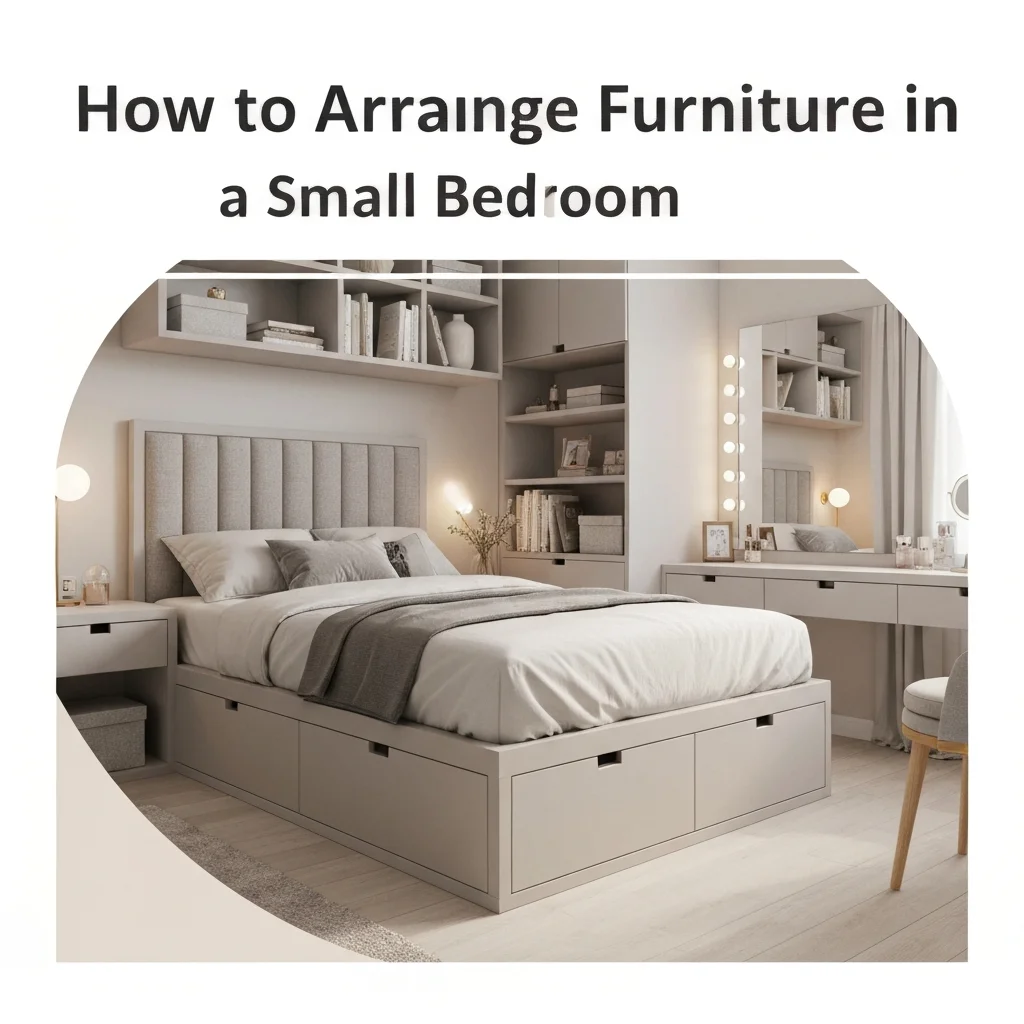
Decorating a tiny bedroom can feel like solving a puzzle. You want a relaxing sanctuary, but you also need to fit a bed, storage, and maybe a desk. The good news? You don’t need a massive footprint to create a stylish and functional space. Learning how to arrange furniture in a small bedroom is all about strategy, not square footage.
Whether you are working with a guest room or a primary suite, the right layout can make your room feel twice as large. Let’s explore practical, expert-approved ways to maximize every inch while keeping your space looking put-together.
1. Start with the Bed: The Anchor of Your Layout
The bed is the biggest piece of furniture, so it sets the tone. In a small bedroom layout, placement is everything. Ideally, center the bed on the wall opposite the door to create a natural focal point. If the room is narrow, push the bed against a longer wall.
Consider a platform bed or a low-profile frame. They visually take up less space than bulky headboards. For tight corners, a small bedroom design tip is to use a corner bed or a daybed with trundle storage. This frees up floor space for a nightstand or a slim dresser.
2. Embrace Vertical Storage
When floor space is limited, go up. Tall bookshelves, floating shelves, and wall-mounted cabinets draw the eye upward, making the ceiling feel higher. Use them for books, decor, and folded clothes. A tall, narrow dresser takes up less floor area than a wide, low one.
Another trick is to install a peg rail or hooks on the back of the door. This is perfect for robes, bags, or accessories. You can even use a wall-mounted jewelry organizer. Every vertical inch counts when you want to maximize small bedroom space.
3. Choose Multi-Functional Furniture
Furniture that does double duty is a lifesaver. A storage bed with built-in drawers eliminates the need for a separate dresser. An ottoman at the foot of the bed serves as seating and hidden storage for linens. A fold-down desk can become a vanity or workspace.
Look for items like:
- Bed frames with deep under-bed drawers
- Nightstands with shelves or USB ports
- Folding chairs that tuck away when not in use
- Mirrors that double as jewelry cabinets
These pieces keep clutter invisible and your small bedroom layout open and airy.
4. Keep Walkways Clear
Traffic flow is critical in a small space. Aim for at least 24 inches of walking space around the bed and main paths. Space-saving bedroom furniture should never block a door or a window. Measure your room before you buy.
A common mistake is cramming furniture against every wall. Instead, leave the center of the room open. Use a small area rug to define the bed zone. This creates a visual break and prevents the room from feeling like a storage closet.
5. Use Mirrors and Light to Expand the Space
Mirrors are a designer’s secret weapon. Place a large mirror opposite a window to reflect natural light and double the visual space. A mirrored closet door works wonders. For a cozy bedroom arrangement, add a floor lamp or wall sconces rather than a bulky table lamp.
| Element | Small Room Benefit |
|---|---|
| Large mirror | Reflects light, creates depth |
| Wall-mounted sconces | Frees up nightstand surface |
| Light-colored walls | Makes room feel airy |
| Curtains hung high | Adds height to the room |
6. Edit Ruthlessly: Less is More
Clutter is the enemy of a small bedroom. Keep surfaces clear. Limit decor to a few meaningful pieces. A small plant, a single framed photo, and a decorative tray can do more than a dozen knick-knacks. Use storage baskets under the bed or on shelves to hide odds and ends.
When applying small bedroom design tips, remember that negative space is your friend. A cluttered room feels chaotic and smaller. A minimal approach with intentional choices creates a serene, hotel-like vibe.
7. Experiment with Layouts Before Committing
Use painter’s tape on the floor to outline where furniture will go. This helps you visualize the flow without moving heavy items. Try a few different small bedroom layout ideas:
- Bed against one wall, desk on the opposite
- Bed in a corner, dresser along the longest wall
- Bed centered on a window wall (if it’s low)
Digital room planners are also helpful. Test arrangements until you find the one that feels spacious and functional.
Frequently Asked Questions
Can I put a king-size bed in a small bedroom?
It’s possible, but only if the room is at least 12×12 feet. In tighter spaces, a queen or full mattress is smarter. Always measure doorways and hallways first to ensure delivery.
What is the best layout for a long, narrow bedroom?
Place the bed on one of the longer walls. Use floating shelves or a slim console table at the foot. Avoid placing furniture in the middle; keep the center clear for movement.
Should I use dark or light colors in a small bedroom?
Light colors like white, beige, and pastels make a room feel larger. You can add darker accents with throw pillows or a rug for contrast without overwhelming the space.
How do I fit a desk in a small bedroom?
Opt for a wall-mounted drop-leaf desk or a corner desk. Use a chair that slides under the surface. You can also use a slim nightstand with a pull-out tray as a workspace.
What furniture should I avoid in a small bedroom?
Skip bulky armoires, heavy king-sized headboards, and oversized dressers. Avoid furniture with solid fronts that hide the floor; open legs or glass tops are better for visual lightness.
How can I make a small bedroom look bigger with furniture arrangement?
Float the bed away from the wall (if space allows) to create a visual gap. Use low-profile furniture. Keep pathways open and use mirrors strategically. Consistency in height across pieces also aids flow.
Is a rug a good idea in a small bedroom?
Yes, but choose wisely. A small rug under the bed defines the zone. A large rug covering most of the floor makes the room feel more expansive. Stick to neutral colors and simple patterns.
How do I arrange furniture in a small bedroom with a window?
Position the bed so it doesn’t block the window. A headboard against a window wall works if the sill is low. Place a low bench or storage trunk at the foot of the bed to keep the view open.
Conclusion
Knowing how to arrange furniture in a small bedroom is a skill that transforms a cramped room into a personal retreat. Start with the bed, then layer storage and multi-functional pieces. Keep the layout open, the surfaces clean, and the light flowing.
Remember, a small space doesn’t mean sacrificing style. With these strategies, you can create a bedroom that feels spacious, organized, and beautifully designed. Try one tip this weekend and you will feel the difference immediately.


