
How to Create a Relaxing Bedtime Ritual
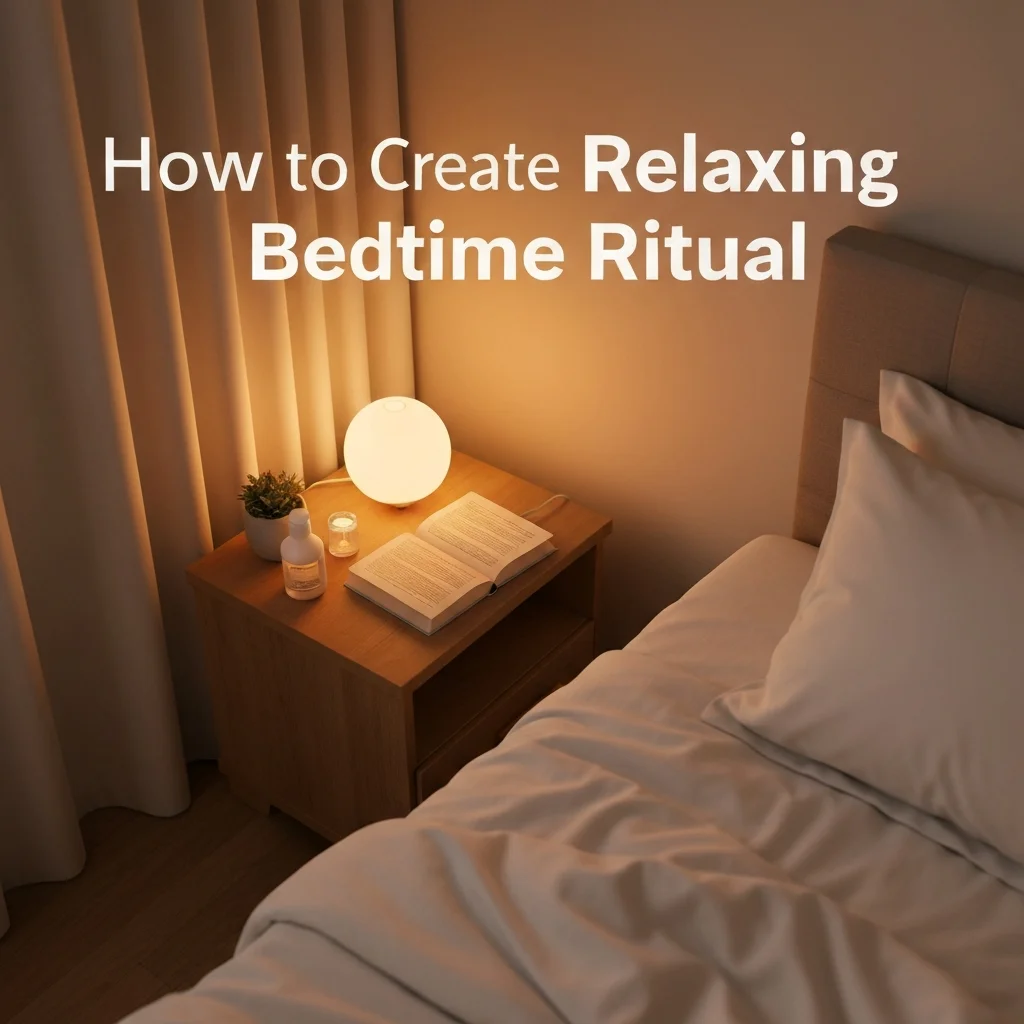
After a long, demanding day, your bedroom should feel like a personal sanctuary. But for many of us, the line between “active mode” and “rest mode” gets blurry. We scroll through emails in bed, watch TV until our eyes hurt, and wonder why we can’t fall asleep.
The secret to better sleep isn’t a magic pill—it’s a relaxing bedtime ritual. Your environment and your habits work together to tell your brain it’s time to power down. In this guide, I’ll show you exactly how to design both your space and your routine for deep, restorative rest.
Why Your Bedroom Design Matters for Sleep
Your brain associates your bedroom with the activities you do there. If you work, eat, or argue in bed, your mind stays alert and anxious. A bedroom design for sleep should prioritize calm above everything else.
Start by removing visual clutter. A messy room creates mental noise. Keep surfaces clean, use soft, neutral colors, and choose blackout curtains. Even small changes, like swapping a bright alarm clock for a dim one, make a difference.
Think of your bedroom as a cocoon. The goal is to make it so inviting that you naturally want to wind down the moment you walk in.
Create a Sensory Wind-Down Zone
A relaxing bedtime ritual engages all five senses. Sight, sound, smell, touch, and even taste can help signal your body that it’s time to sleep.
- Sight: Use dimmable lamps or warm-toned bulbs. Avoid blue light from screens at least one hour before bed.
- Sound: Try white noise, nature sounds, or a simple fan. Silence can be too loud for some brains.
- Smell: Lavender, chamomile, or sandalwood essential oils in a diffuser can lower heart rate.
- Touch: Invest in high-thread-count sheets and a weighted blanket. The pressure is deeply grounding.
- Taste: A warm, caffeine-free herbal tea (like chamomile or valerian root) is a ritual in itself.
When your senses feel safe, your nervous system finally relaxes.
Design a Simple Evening Wind-Down Routine
Your bedtime ritual doesn’t need to be complicated. In fact, the simpler it is, the more likely you’ll stick with it. A consistent evening wind-down routine should take between 30 and 60 minutes.
Here’s a sample sequence you can adapt:
| Time | Activity | Purpose |
|---|---|---|
| 9:00 PM | Turn off screens (TV, phone, laptop) | Reduce blue light and mental stimulation |
| 9:10 PM | Change into comfortable pajamas | Signal transition to rest mode |
| 9:15 PM | Dim lights and light a candle | Create a calming ambiance |
| 9:20 PM | Read a physical book for 15-20 mins | Distract the mind gently |
| 9:40 PM | Light stretching or deep breathing | Release physical tension |
| 9:55 PM | Get into bed with a cup of herbal tea | Final wind-down |
The key is consistency. Do these steps in the same order every night, and your brain will learn the pattern.
Optimize Your Sleep Environment for Maximum Comfort
Now let’s talk about the physical space itself. Your sleep environment tips go beyond just choosing a mattress. The ideal bedroom temperature is between 60-67°F (15-19°C). A cooler room helps your body’s core temperature drop, which triggers sleep.
Check your mattress and pillows. If they are older than 7-8 years, they might be causing discomfort. Also, evaluate your lighting. Install blackout shades if street light leaks in. Even small LED indicators on electronics can disturb your melatonin production.
Finally, consider the air quality. An air purifier or a humidifier can make a significant difference, especially if you have allergies or dry skin.
Pair Technology-Free Time with Calm Bedroom Decor
One of the biggest obstacles to a relaxing bedtime ritual is technology. The dopamine loop from social media keeps your brain alert. Replace screen time with something tactile and peaceful.
This is where your calm bedroom decor comes in. Create a “reading corner” or a small meditation nook, even if it’s just a chair by the window. Keep a journal and a pen on your nightstand to dump anxious thoughts. Add a plant like a snake plant or peace lily—they improve air quality and bring life into the room.
Remember: your bedroom is not a home office or a media room. Keep technology out of the sleeping zone as much as possible. If you must charge your phone nearby, place it face down and out of arm’s reach.
How to Sustain Your Ritual Long-Term
Many people start a new routine with enthusiasm and drop it after a week. To truly improve sleep quality naturally, you need to make your ritual sustainable. Start small. Don’t try to change everything at once.
Pick just two steps from the table above and practice them for a week. Then add another. It’s better to do a 15-minute wind-down every night than a two-hour routine only on Sundays.
Also, forgive yourself for slip-ups. If you have a late night or watch a movie in bed, that’s okay. Just get back on track the next day. Over time, your body will crave the ritual, making it almost automatic.
Frequently Asked Questions
1. How long should a relaxing bedtime ritual take?
Ideally, 30 to 60 minutes. This gives your body enough time to transition from active mode to rest mode without dragging on too long.
2. Can I listen to music as part of my ritual?
Absolutely. Choose slow-tempo music (60-80 BPM), instrumental pieces, or nature sounds. Avoid anything with lyrics or heavy beats that might keep your brain engaged.
3. What if I don’t have blackout curtains?
Use a sleep mask as an affordable alternative. It blocks light completely and also adds a physical signal of “time to sleep” for your brain.
4. Should I exercise before bed?
Moderate stretching or yoga is excellent. Intense cardio, however, can raise your core temperature and heart rate, making it harder to fall asleep. Save heavy workouts for morning or afternoon.
5. How do I stop my racing thoughts at night?
Try “brain dumping” for 5 minutes. Write down everything on your mind—worries, tasks, ideas—on a piece of paper. Once it’s out of your head and on paper, your brain can let it go.
6. Is it okay to read on a tablet at night?
Reading on a physical book or an e-ink reader (like Kindle) is much better. Tablets emit blue light that suppresses melatonin. If you must use a tablet, turn on the “night mode” with a warm filter.
7. Can I have a pet in the bedroom?
Many people find it comforting, but pets can disrupt sleep cycles with movement and noise. If your pet disturbs you, consider having them sleep outside the bedroom for a trial period.
8. What scent is best for sleep?
Lavender is the most researched and effective scent for sleep. Other great options are chamomile, ylang-ylang, and cedarwood. Use an essential oil diffuser or a linen spray.
Conclusion
Building a relaxing bedtime ritual is one of the best investments you can make in your health and happiness. It’s not about perfection, but about intention. By combining thoughtful bedroom design for sleep with a simple, consistent evening wind-down routine, you can transform your nights and your days.
Start tonight with just one change: turn off your screens an hour before bed. Dim the lights. Breathe. Your body will thank you.


