
Inspiring Bedroom Color Combinations
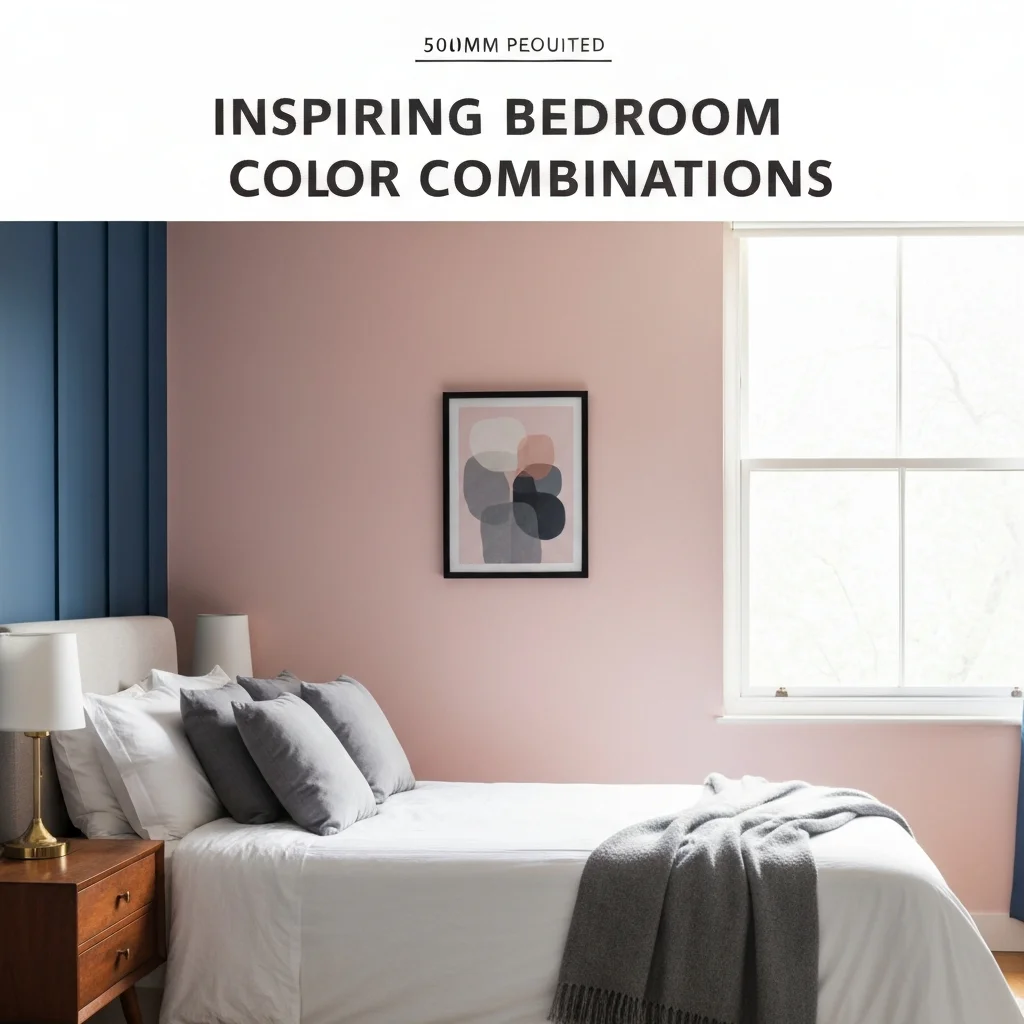
Your bedroom is more than just a place to sleep—it’s your personal retreat. The right palette can set the mood, boost your energy, or help you unwind. But with endless options, where do you start?
We’ve curated some of the most inspiring bedroom color combinations to spark your creativity. Whether you love soft neutrals or dramatic darks, these bedroom design ideas will guide your next makeover.
1. The Power of Serene Neutrals
Neutrals never go out of style. They create a calm, clean backdrop that feels airy and spacious. Think warm beiges, creamy whites, and soft greys.
Pair a light greige (grey-beige) with crisp white trim. Add texture with linen bedding, a chunky knit throw, and a jute rug. This combo is perfect for small bedrooms, as it reflects light and makes the room feel larger.
2. Warm Earth Tones for Cozy Nights
If you crave warmth, earth tones are your answer. Terracotta, burnt sienna, and olive green bring the outdoors in. They create a grounded, cocooning effect.
Try a terracotta accent wall behind your bed. Balance it with warm oatmeal walls and natural wood furniture. Add plants for a fresh pop of green. This palette works beautifully in calming bedroom colors schemes for rustic or bohemian styles.
3. Classic Navy and White: Timeless Sophistication
Navy blue is a go-to for a reason. It feels rich, restful, and endlessly versatile. Paired with crisp white, it looks crisp and nautical, or elegant and modern.
Use navy on the lower half of the wall with a chair rail, or go all-in on an accent wall. Dress the bed in white linens with navy and brass accent pillows. This is one of the best bedroom paint trends for a polished, hotel-like feel.
4. Blush Pink and Charcoal: Modern Romance
Blush pink has evolved from “girly” to chic. When balanced with deep charcoal grey, it becomes sophisticated and grown-up.
Paint the walls a soft blush. Use charcoal in your bed frame, curtains, or a large area rug. Metallic accents in gold or brass add a touch of glam. This combination offers subtle accent wall inspiration without overwhelming the room.
5. Bold Jewel Tones: Emerald and Sapphire
For the daring, jewel tones make a statement. Emerald green, sapphire blue, and amethyst purple create a lush, luxurious atmosphere.
- Emerald + Gold: Paint one wall emerald green. Use gold mirrors and light fixtures for a regal feel.
- Sapphire + Cream: Deep blue walls with cream-colored bedding and curtains keep the room from feeling too dark.
- Amethyst + Grey: Purple velvet headboard with soft grey walls—subtle yet striking.
These rich hues are perfect for larger bedrooms where you want to create a dramatic focal point.
6. The Monochromatic Magic
Sticking to one color in different shades creates a sophisticated, seamless look. It’s easy to pull off and visually elongates the room.
Pick a base color—like sage green—and use it in light, medium, and dark tones. Light sage on walls, mid-tone sage on the duvet, and dark sage on throw pillows. Add white for balance. This approach is foolproof for bedroom design ideas that feel curated.
Color Combinations Quick Reference
| Combination | Mood | Best For |
|---|---|---|
| Greige + White | Calm, Airy | Small bedrooms |
| Terracotta + Olive | Warm, Earthy | Bohemian styles |
| Navy + White | Sophisticated | Hotel-inspired looks |
| Blush + Charcoal | Romantic, Modern | Master suites |
| Emerald + Gold | Luxurious | Large bedrooms |
| Monochrome Sage | Serene, Unified | Minimalist spaces |
7. How to Test Your Color Choice
Before committing, always test paint samples on your wall. Colors look different in natural morning light versus evening lamplight.
Paint large swatches (at least 12×12 inches) on adjacent walls. Live with them for a few days. Observe how they make you feel at different times of day. The right inspiring bedroom color combinations should make you feel relaxed and happy.
FAQ: Bedroom Color Combinations
What are the best colors for a small bedroom?
Light neutrals like soft white, pale grey, or light beige work best. They reflect light and make the room feel open. You can add a darker accent on one small wall for depth.
Can I use dark colors in a bedroom?
Absolutely. Dark colors like navy, charcoal, or deep green create a cozy, intimate feel. Just ensure you have good lighting and contrast with lighter bedding or furniture.
How many colors should I use in a bedroom?
Stick to two to three main colors. Use a dominant color for walls, a secondary for furniture or textiles, and an accent color for small decor pieces. Too many colors can feel chaotic.
What color makes a bedroom look bigger?
Light, cool colors like pale blue, soft grey, and white make a room feel larger. They recede visually, creating an illusion of more space.
Which bedroom colors promote sleep?
Blues, greens, and soft lavenders are known for their calming effects. Avoid bright, stimulating colors like red or neon pink near your bed.
Should the ceiling be a different color?
Yes! A slightly lighter shade of your wall color can make the ceiling feel higher. For a dramatic look, you can match the ceiling to the walls—this is great for small, cozy rooms.
What are the most popular bedroom colors in 2025?
Warm neutrals, earthy greens, and dusty blush tones are trending. People are moving away from stark white toward warmer, more inviting palettes.
How do I choose a color combination without clashing?
Use the 60-30-10 rule: 60% dominant color (walls), 30% secondary (bedding/curtains), 10% accent (pillows/art). This ensures balance and harmony.
Conclusion
Your bedroom should feel like a sanctuary, and the right colors are the foundation. From calming neutrals to bold jewel tones, there’s a palette for every personality and style.
Remember to test your choices, consider lighting, and trust your instinct. With these inspiring bedroom color combinations, you’re ready to create a space that feels both beautiful and truly yours. Happy decorating!


