
Bedroom Design Secrets from Experts
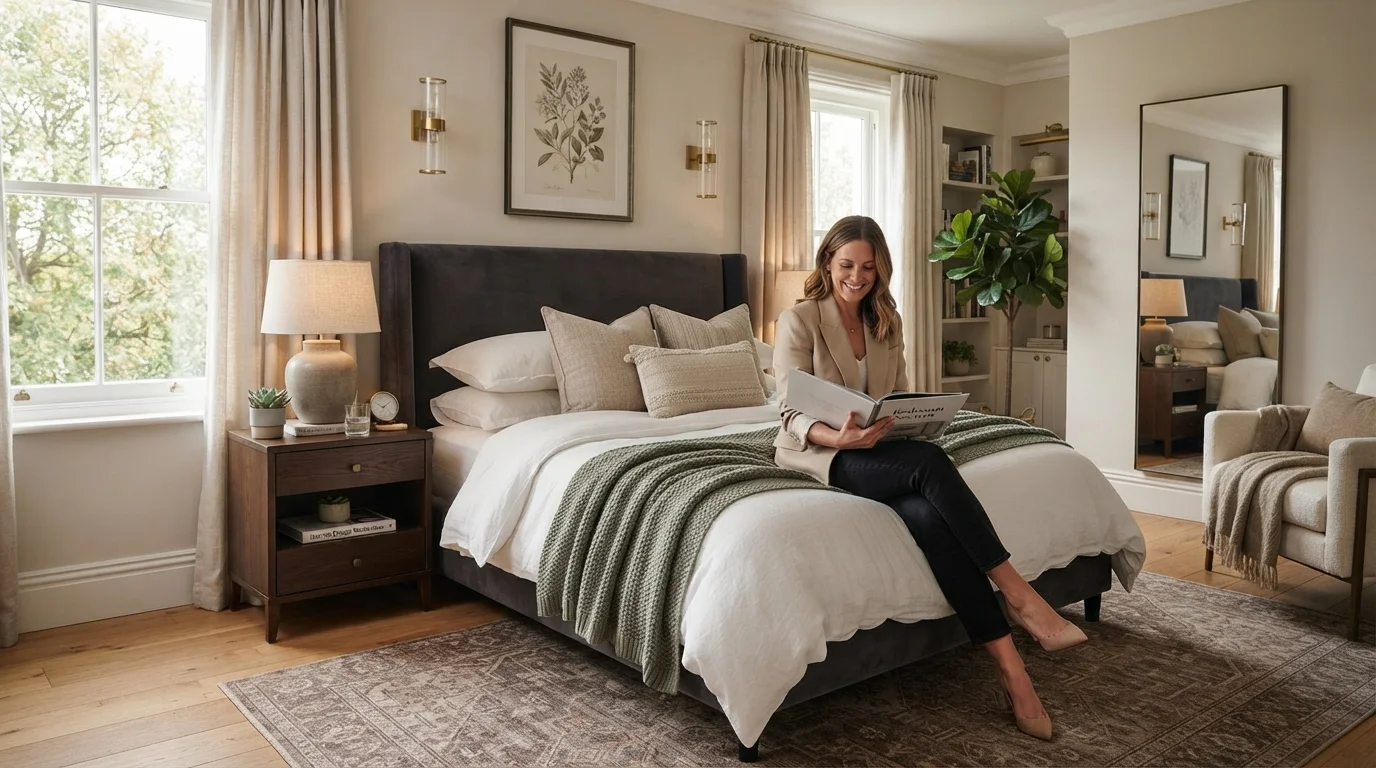
Great bedroom design is about more than picking a pretty duvet. It’s the science and art of creating a sanctuary that supports deep sleep, boosts your mood, and reflects your personality. We’ve tapped into decades of residential design experience to share the bedroom design secrets that professionals use to craft stunning, restful spaces. Whether you’re working with a tiny guest room or a sprawling primary suite, these expert-backed strategies will elevate your room instantly.
1. Start with a Strategic Master Bedroom Layout
The biggest mistake homeowners make is pushing furniture against walls. Your master bedroom layout should prioritize the bed as the focal point—ideally positioned on the wall opposite the door for a commanding yet calming view. Leave at least 24 inches of walking space on each side of the bed for ease of movement. For smaller rooms, try floating the bed with a low-profile headboard to create visual depth. Always map your floor plan on graph paper (or use a free online tool) before moving any heavy furniture.
2. Master the Art of Layer Lighting
One harsh overhead light is the fastest way to ruin a bedroom’s ambiance. Expert bedroom lighting tips demand three distinct layers: ambient (ceiling fixtures or recessed lights on a dimmer), task (dedicated reading lamps on nightstands), and accent (uplights behind a plant or art). Use warm 2700K to 3000K bulbs for a cozy glow. Swap out symmetrical table lamps for adjustable swing-arm sconces to save nightstand space and add a custom-boutique feel.
3. Choose Color Palettes That Calm the Brain
Color psychology plays a huge role in rest. Proven bedroom color schemes lean toward muted, nature-inspired tones: soft sage green, dusty blue, warm taupe, or creamy off-white. These low-saturation hues lower cortisol and prepare the brain for sleep. If you love bold colors, reserve them for the inside of a closet door, a throw pillow, or a single accent wall behind the headboard. Always test paint colors on large boards and view them in morning and evening light before committing.
4. Texture Is the Silent Design Hero
Monochrome doesn’t mean boring when you layer textures. Combine a chunky knit throw, linen curtains, velvet pillows, and a woven jute rug to create sensory richness. This technique adds warmth without clutter and is one of the easiest bedroom design secrets to pull off on any budget. A simple rule of thumb: include at least four different textures in the room. Wood, metal, fabric, and natural fiber instantly make a space feel curated and cozy.
5. Smart Storage & Small Bedroom Design Ideas
Clutter is the enemy of serenity. For compact spaces, embrace creative small bedroom design ideas like wall-mounted floating nightstands, under-bed drawers on casters, and vertical shelving above doors. Choose a bed frame with built-in storage drawers rather than a bulky dresser. Use matching slim hangers and velvet organizers inside closets to maximize space. A clutter-free room automatically looks larger and more expensive.
- Floating shelves above the bed for books and plants
- Mirrored closet doors to reflect light and depth
- Multi-functional furniture like a storage bench at the foot of the bed
- Radiant floor heating to eliminate bulky vents and radiators
6. The Power of a “Cocooning” Headboard
A large, upholstered headboard instantly anchors the room and absorbs sound—creating a quiet cocoon effect. Go for tall, tufted panels in velvet or linen to add visual height to low ceilings. This single piece of furniture delivers 80% of the visual impact in a bedroom. For a DIY approach, repurpose a room divider or hang a large tapestry behind the bed. The headboard should always be wider than the bed frame for a balanced look.
7. Bring in Elements of Nature
Biophilic design lowers stress and improves air quality. Place a snake plant or peace lily on the nightstand, add dried eucalyptus to a vase, or install a small water fountain. Incorporate natural materials like a reclaimed wood bench, stone coasters, or a bamboo rug. Even viewing nature through a window helps—so if you have a good view, avoid heavy curtains that block it during the day.
8. Personalize With Meaningful Art & Accessories
Hotels feel sterile because they lack soul. Hang a single large, personal artwork above the bed rather than a generic print. Display three to five curated objects—a ceramic vase, a stack of hardcover books, a framed photo—on a tray on the dresser. Keep surfaces at 80% empty to maintain calm. Rotate accessories seasonally to keep the room feeling fresh and intentional.
| Design Element | Expert Tip | Common Mistake |
|---|---|---|
| Bed placement | Focal point opposite door | Pushing bed against a window |
| Lighting | Three layers with dimmers | Only using ceiling lights |
| Color palette | Muted nature tones | Bright red or orange walls |
| Texture | Four different materials | Fabric-only room |
| Clutter control | 80% empty surfaces | Every surface covered |
Frequently Asked Questions (FAQ)
What is the most important element in bedroom design?
The bed placement and headboard are the most critical. They establish the room’s visual anchor and dictate the entire layout. Without a strong focal point, even the most expensive decor feels disjointed.
How can I make my bedroom look more expensive on a budget?
Focus on textiles: high-thread-count white sheets, floor-length curtains hung higher than the window frame, and a single large piece of art. Remove cheap plastic items and replace hardware (drawer pulls, light switch plates) with brushed brass or matte black.
What color is best for a restful bedroom?
Soft, muted shades of blue, green, warm gray, and beige consistently score highest in sleep studies. Avoid bright primaries, deep purples, and dark reds as they can overstimulate the nervous system.
Should I match my nightstands to my bed frame?
No. Mismatched nightstands add personality and prevent a showroom look. Mix materials—for example, a wooden frame with metal nightstands or a lacquered bed with a marble-topped table. Just keep heights similar for visual balance.
How do I make a small bedroom feel larger?
Use light-colored walls and bedding, mount mirrors opposite windows, choose low-profile furniture, and keep the floor clear. An upholstered bed with short legs makes the room feel taller than a bulky platform base.
Is wallpaper a good idea in bedrooms?
Yes, but limit it to one accent wall (behind the headboard) or the ceiling. Small-scale patterns or subtle textures like grasscloth add depth without overwhelming the space. Avoid high-contrast, busy prints in small rooms.
What is the best rug size for a bedroom?
At minimum, the rug should extend 18-24 inches beyond each side of the bed. For a king bed, a 9×12 rug works well. If you have runners, place them on each side of the bed rather than a single narrow runner at the foot.
How often should I update my bedroom decor?
Refresh soft furnishings like pillows, throws, and curtains every 2-3 years. Paint and major furniture should last 5-10 years. Rotate decorative accessories seasonally to keep the space feeling current without major investment.
Conclusion
Transforming your bedroom into a true sanctuary doesn’t require a massive renovation or a celebrity designer’s budget. By applying these bedroom design secrets—from strategic master bedroom layouts and layered lighting to thoughtful color palettes and texture mixing—you can create a space that feels both luxurious and deeply personal. Start with one change this weekend: adjust your bed placement, swap out a harsh lightbulb, or introduce a single natural element. Your sleep (and your style) will thank you.


