
How to Choose Bedroom Window Blinds
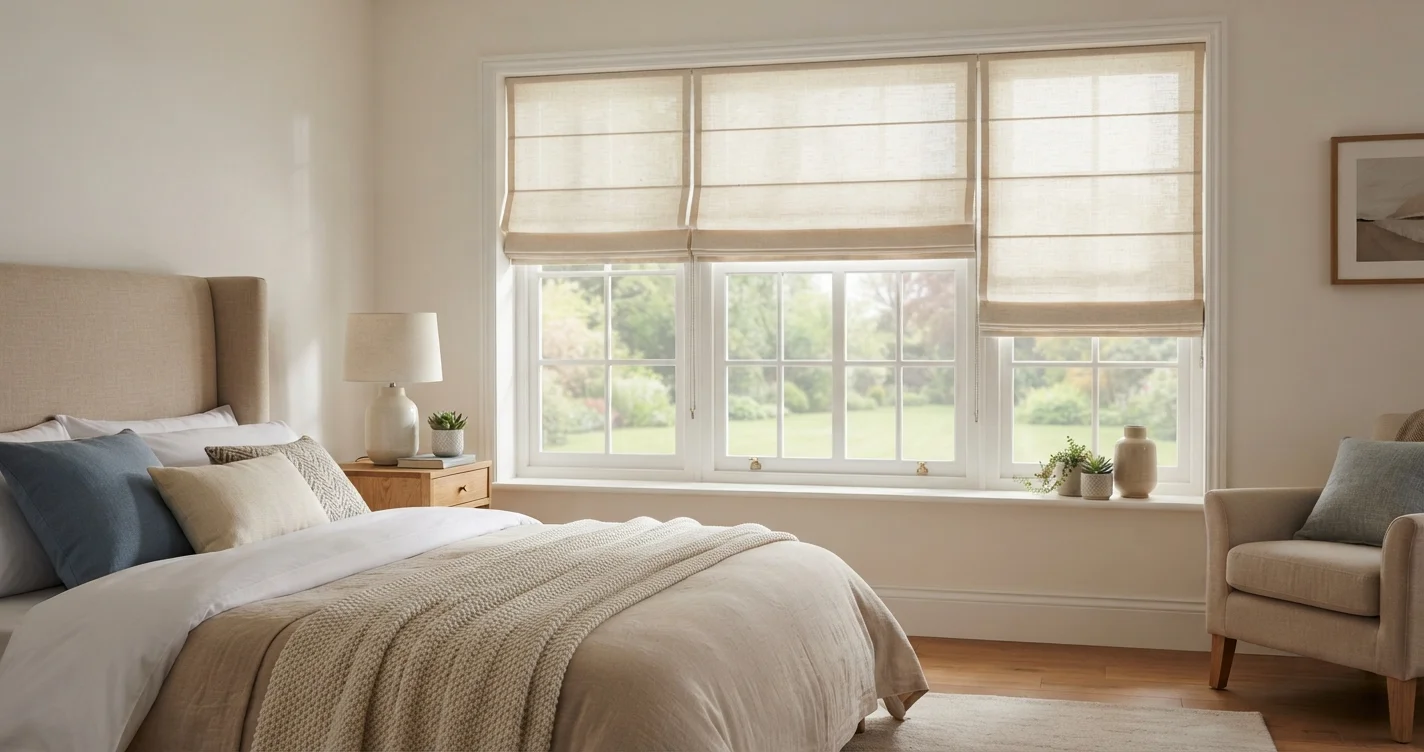
Your bedroom is your sanctuary. It’s where you recharge, relax, and reset. That means every element matters—especially your window coverings.
Choosing the right blinds affects your sleep quality, privacy, and even your energy bill. With so many options out there, it’s easy to feel overwhelmed.
This guide will walk you through exactly how to choose bedroom window blinds that fit your lifestyle and aesthetic. No fluff, just actionable advice.
Why Your Choice of Bedroom Window Blinds Matters
Blinds do a lot more than just cover a window. They control how much light enters your room, which directly impacts your circadian rhythm.
Blackout or room-darkening options can help you sleep deeper, especially if you work night shifts or live in a city with streetlights.
They also add a layer of insulation. In winter, well-fitted blinds keep warmth inside. In summer, they block heat, reducing your AC load.
Finally, blinds are a design statement. The right texture and color can make your bedroom feel cozier, taller, or more spacious.
Understanding Light Control: Blackout vs. Light Filtering
Light control is the number one factor when you’re learning how to choose bedroom window blinds.
Blackout blinds block nearly all external light. They’re perfect for nurseries, shift workers, or anyone sensitive to morning sun. Look for blinds with a foil backing or tight-weave fabric.
Light filtering blinds soften sunlight while still letting a warm glow through. They’re great if you want privacy without a cave-like feel.
Some people use a combination: light filtering for daytime and blackout for sleep. Cellular shades are a versatile option that offer both modes depending on how you adjust them.
Privacy and Your Window Position
Privacy is non-negotiable in a bedroom. But the level you need depends on where your window faces.
Ground-floor bedrooms or windows facing a busy street need top-down/bottom-up blinds. These let you pull the bottom up while keeping the top covered, so you get light without compromising privacy.
For upstairs rooms with no neighbors nearby, you can prioritize style over opacity. Sheer blinds or roman shades look elegant and still offer a soft barrier.
If you live in a dense area, consider honeycomb or cellular shades. Their cell structure offers excellent privacy because you can’t see through them even when slightly open.
Material Matters: Wood, Faux Wood, Fabric, and Aluminum
Each material has its own vibe and function. Here’s a quick breakdown:
- Wood blinds: Warm, classic, and great for traditional or rustic bedrooms. They’re heavy and offer excellent light blocking. Avoid in high-humidity rooms.
- Faux wood blinds: Look like real wood but resist moisture and warping. Budget-friendly and easy to clean. Ideal for humid climates.
- Fabric blinds: Soft, cozy, and come in endless colors. Roman shades or roller shades fall here. They absorb sound but can trap dust.
- Aluminum blinds: Sleek, modern, and very affordable. They’re lightweight but can bend easily. Best for minimalist or industrial decor.
Your choice should match both your decor style and your maintenance tolerance. Fabric feels luxurious but needs vacuuming. Wood adds character but costs more.
Ease of Operation and Child Safety
How you operate your blinds matters more than you think. Tired of tangled cords every morning? Consider cordless or motorized options.
Cordless blinds are safer for homes with kids or pets. They eliminate strangulation hazards and look cleaner.
Motorized blinds let you adjust light with a remote or voice command. They’re a splurge, but perfect for hard-to-reach windows or if you want automated wake-up routines.
If you prefer traditional blinds, always choose continuous cord loop systems with breakaway tassels. Safety standards have improved, but it’s better to be proactive.
Style Tips: Matching Blinds to Your Bedroom Decor
Your blinds should complement—not fight—your existing furniture and wall colors.
For neutral bedrooms, bold textured blinds like bamboo or woven wood add warmth. For colorful rooms, stick to white or off-white blinds to keep the space airy.
If you have window trim or molding, consider inside-mount blinds. They sit flush within the frame and look built-in. Outside-mount blinds work well for covering odd-sized windows or adding the illusion of height.
Here’s a quick style comparison table to guide your final decision:
| Blind Type | Best For | Light Control | Styling Tip |
|---|---|---|---|
| Roman shades | Cozy, soft decor | Medium to Full blackout | Use with curtains for layered luxury |
| Cellular shades | Energy efficiency | Light filtering to Blackout | Choose honeycomb for insulation |
| Venetian blinds | Modern and clean lines | Adjustable slats | Rotate slats upward for privacy |
| Roller shades | Minimalist spaces | Sheer to Blackout | Pick a single bold color as an accent |
Frequently Asked Questions
What are the best blinds for a bedroom with large windows?
Large windows benefit from motorized cellular shades or vertical blinds. They cover wide spans evenly and control light with minimal effort.
Can I install bedroom blinds myself?
Absolutely. Most standard windows are DIY-friendly with basic tools. For odd shapes or very wide windows, professional installation ensures a perfect fit.
How do I clean my bedroom blinds?
Dust wooden and faux wood blinds with a microfiber cloth weekly. Fabric shades can be spot-cleaned or vacuumed with a brush attachment. Aluminum blinds wipe clean with a damp cloth.
Are blackout blinds worth the extra cost?
Yes, if light sensitivity affects your sleep. They also help keep the room cooler in summer. For light sleepers, they’re a game-changer.
Should I choose inside mount or outside mount?
Inside mount looks cleaner and shows off your window frame. Use outside mount if your window is shallow or you want to make it appear larger.
What’s the difference between room darkening and blackout?
Room darkening blocks most light but still lets a small amount through. Blackout blinds block nearly 100% of light. Check the fabric rating before buying.
Do blinds help with noise reduction?
Some do. Cellular shades with multiple layers absorb sound better than aluminum or wood. For serious noise reduction, pair blinds with heavy curtains.
Can I use the same blinds for sliding doors?
Yes, but choose vertical blinds or panel track blinds. They slide easily and won’t get caught in the door track.
Conclusion
Learning how to choose bedroom window blinds doesn’t have to be complicated. Focus on your top priorities: light control, privacy, and style.
Start by measuring your windows accurately. Then decide if you need blackout performance or soft filtering. Match the material to your decor and maintenance preferences.
Don’t forget safety and ease of use. Cordless or motorized options add convenience and peace of mind.
With these tips, you can confidently pick bedroom window blinds that create a restful, beautiful space you’ll love waking up in every day.


