
The Ultimate Bedroom Refresh Guide
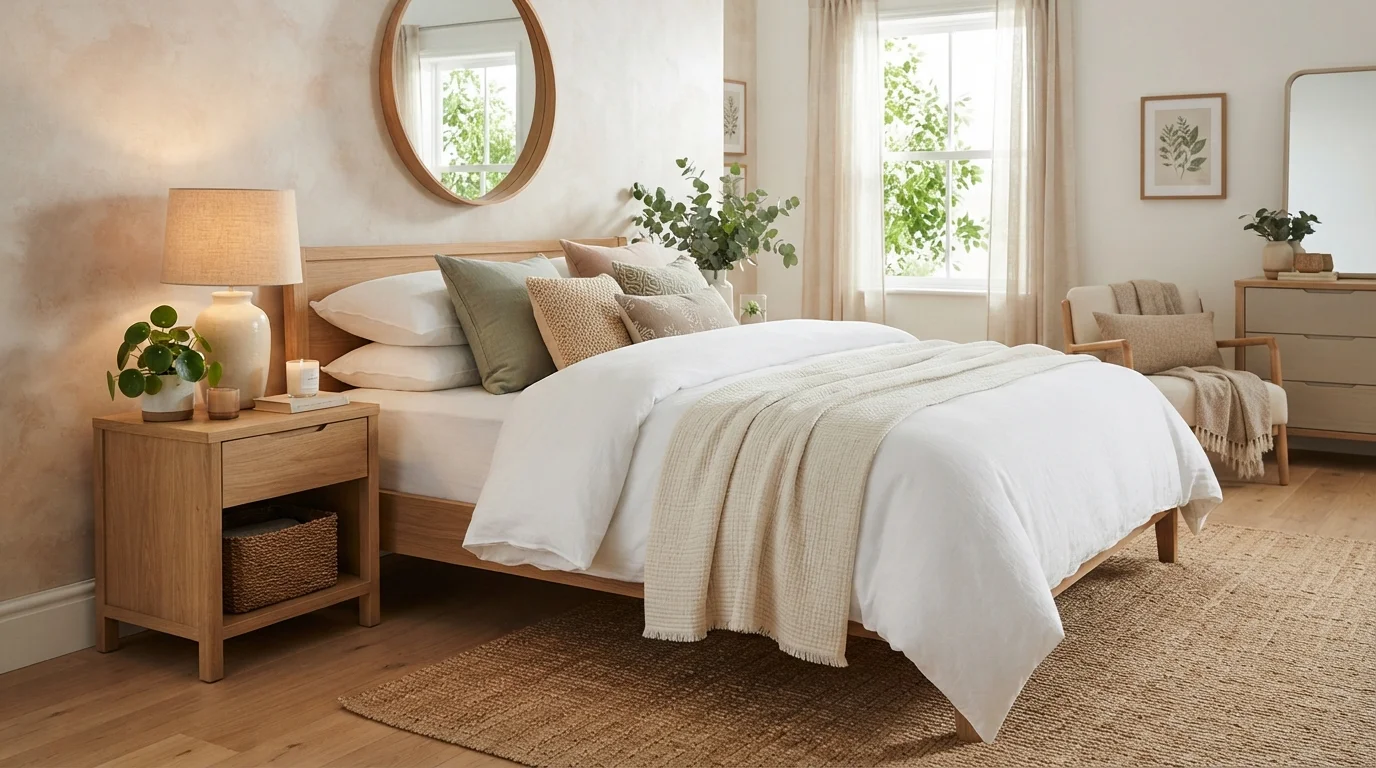
Why Your Bedroom Deserves a Refresh
Your bedroom is more than just a place to sleep—it’s your personal retreat from the world. Over time, even the most carefully designed rooms can feel stale or cluttered. A strategic refresh doesn’t require a full renovation; small, intentional changes can dramatically improve your comfort and the room’s aesthetics.
In this comprehensive bedroom refresh guide, we’ll walk through actionable steps to revitalize your space. From rethinking your layout to choosing a calming color palette, these tips are designed for real homes with real budgets. Whether you’re tackling a master suite or a cozy guest room, you’ll find practical advice you can apply today.
1. Start with a Declutter and Deep Clean
Before you buy a single throw pillow, clear the canvas. A clutter-free room instantly feels larger, lighter, and more peaceful. Go through your nightstands, dressers, and closet to remove anything you haven’t used in six months.
- Donate or sell clothes, books, and decor that no longer serve you.
- Wipe down baseboards, window sills, and ceiling fan blades.
- Wash curtains, duvet covers, and pillow protectors.
- Vacuum under the bed—dust bunnies are real.
This step is the foundation for all other bedroom design ideas. A clean slate makes every subsequent choice, from paint to pillows, more impactful.
2. Reimagine Your Bedroom Layout
Your furniture arrangement affects both flow and sleep quality. The master bedroom layout should prioritize the bed as the focal point. Place it on the wall opposite the door for a welcoming view, but avoid aligning it directly with a window, which can cause drafts or glare.
If you have space, create defined zones: one for sleeping, one for dressing, and maybe a small reading nook. Use a console table behind the bed or a bench at the foot to anchor these areas. Even in a small room, shifting the bed by just 12 inches can change the entire energy.
For bedroom makeover tips, consider symmetry. Matching nightstands and lamps on each side of the bed create a calm, balanced look that’s easy on the eyes.
3. Choose a Calming Color Palette
Color has a powerful psychological effect in the bedroom. Soft neutrals, muted blues, and sage greens are consistently associated with relaxation. Avoid bright reds or high-contrast patterns in large doses, as they can feel stimulating rather than soothing.
Your bedroom color palette should include three elements: a main wall color (70% of the room), a secondary color for textiles (20%), and an accent color for decor (10%). For example, pair a warm taupe wall with cream linen bedding and brushed brass accents. Stick to matte or eggshell finishes to reduce glare and create a cozy atmosphere.
If you’re renting and can’t paint, use large fabric wall hangings or peel-and-stick wallpaper on a single accent wall to introduce color without commitment.
4. Upgrade Your Bedding and Textiles
Your bed is the centerpiece of the room, so invest in high-quality bedding that feels good against your skin. Cotton percale is crisp and cool, while sateen offers a silkier feel. Layer a linen duvet with a lightweight quilt for texture year-round.
Pillows matter too. You need three types: sleeping pillows (firm or soft based on your sleep position), a couple of European shams for a layered look, and one decorative lumbar pillow. This mix of function and style instantly elevates the room without major cost.
Don’t forget window treatments. Blackout curtains or cellular shades improve sleep quality by blocking early morning light. Choose a neutral tone that complements your palette.
5. Smart Storage Solutions for a Serene Space
Clutter is the enemy of relaxation. Incorporating bedroom storage solutions that hide everyday items keeps the room tidy. Consider a bed frame with built-in drawers, under-bed rolling bins, or a storage ottoman at the foot of the bed.
For closets, use matching hangers and uniform bins to create a cohesive look. A simple valet hook for tomorrow’s clothes prevents chair-draping. Floating shelves above the bed or a narrow console table with baskets can hold books, chargers, and lotions without visual clutter.
| Storage Challenge | Solution | Estimated Cost |
|---|---|---|
| Small closet | Under-bed rolling drawers | $40–$100 |
| Cluttered nightstand | Tray with divided compartments | $15–$30 |
| No dresser space | Over-door hanging organizer | $12–$25 |
These small investments make a huge difference in maintaining a tidy, relaxing environment.
6. Layer Lighting for Every Mood
Good lighting transforms a bedroom from functional to phenomenal. Relying on a single overhead light is harsh and unflattering. Instead, use three layers: ambient (ceiling or floor lamps), task (reading lights), and accent (wall sconces or LED strips behind the headboard).
Install dimmers on your main light to adjust brightness for winding down. Place a small table lamp or clip-on light on each nightstand for independent reading. For a warm glow, choose bulbs with a color temperature of 2700K to 3000K.
If you have tall ceilings, a pendant light can become a statement piece. For lower ceilings, flush-mount fixtures or simple sconces keep the visual weight low.
7. Add Personal, Meaningful Decor
Once the structure is in place, bring in personality through curated decor. A few framed photographs, a small plant, or a single piece of art above the bed creates an emotional anchor. Avoid overcrowding walls—negative space is your friend.
Rugs are another easy upgrade. A large wool or cotton rug under the bed should extend at least 18 inches on each side for a grounded look. Stick to low-pile for easy cleaning and a sleek profile.
Finally, consider scent. A diffuser with lavender or chamomile oil, or a natural soy candle, can make the room feel like a luxury hotel suite. Keep it subtle—you want to relax, not overwhelm your senses.
Frequently Asked Questions
How often should I refresh my bedroom?
Most experts recommend a minor refresh every two to three years—think new bedding, paint, or rearranging furniture. A deeper redesign is suitable every five to seven years.
What is the most affordable change I can make?
New pillowcases and a crisp duvet cover are the fastest, cheapest upgrades. Changing your bedding instantly alters the room’s mood and costs under $50.
Should I paint before or after buying furniture?
Paint the walls first. It’s easier to match furniture to a wall color than the reverse, and you avoid getting paint on your new pieces.
How can I make a small bedroom look bigger?
Use light, neutral wall colors and mirrors strategically. A large mirror opposite a window reflects light and depth. Keep furniture low and streamlined.
What colors promote better sleep?
Soft blues, muted greens, warm grays, and earthy beiges are scientifically linked to lower heart rate and better sleep. Avoid bright yellows or reds.
Do I need a headboard for good design?
No, but a headboard adds visual weight and comfort for sitting up. If you skip it, consider a large piece of art or a tapestry behind the bed.
How do I choose the right rug size?
For a standard bed, use an 8×10 or 9×12 rug. It should extend at least 18 to 24 inches beyond the sides and foot of the bed for a balanced look.
Can I mix patterns in a small bedroom?
Yes, but stick to a single color family and vary scale—one large floral or geometric with a subtle stripe works well. Too many competing patterns can feel chaotic.
Your Bedroom Transformation Starts Now
A bedroom refresh is about intentionality, not perfection. Every choice you make—from the bedroom color palette to the storage bins—should serve your comfort and peace of mind. You don’t have to do everything at once. Pick one or two sections from this bedroom refresh guide and start today.
Remember, the goal is a space that feels like a daily escape. With these bedroom design ideas and bedroom makeover tips, you’ll create a room that supports better sleep and a calmer mind. After all, you deserve to wake up in a place that feels just right.


