
Minimalist Bedroom Ideas for Maximum Peace
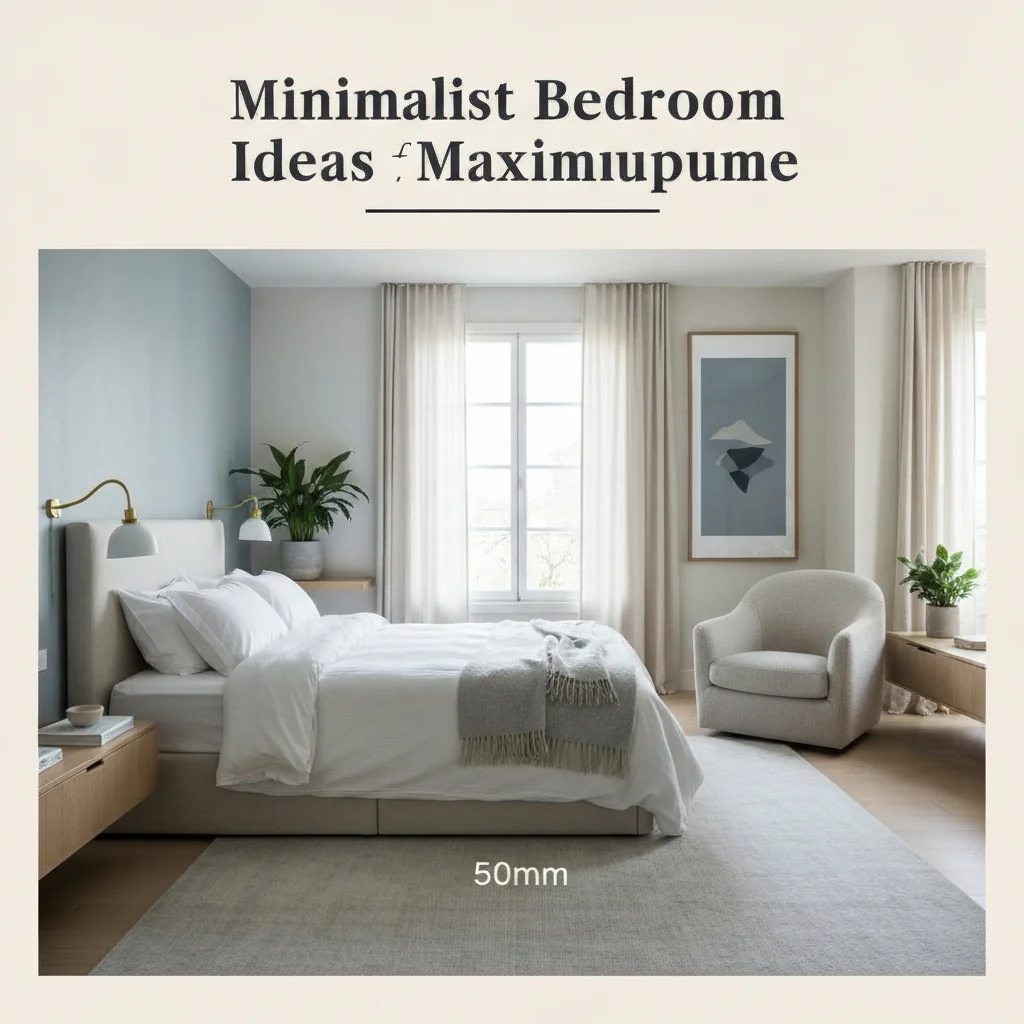
Your bedroom should be your sanctuary — a place where the noise of the day fades and your mind can finally exhale. But if your space is cluttered with mismatched furniture, piles of laundry, or an overwhelming color palette, relaxation becomes a challenge. That is where minimalist bedroom ideas come in.
Minimalism isn’t about living with nothing. It’s about choosing what truly serves you. When applied to a bedroom, this philosophy creates a calm, spacious, and deeply restful atmosphere. Whether you are working with a tiny apartment or a spacious master suite, these strategies will help you design a minimalist bedroom that prioritizes peace above all else.
What Is Minimalist Bedroom Design?
Minimalist bedroom design is the practice of reducing visual and physical clutter to create a tranquil environment. It emphasizes clean lines, a neutral color palette, intentional furniture choices, and open floor space.
This approach is different from simply “having less.” It’s about making deliberate decisions: a single statement light fixture instead of two bedside lamps, a low-profile platform bed instead of a bulky frame, or a simple floor plant as the room’s only decorative accent. The result is a bedroom that feels airy, organized, and restorative.
Start with a Complete Declutter
Before you buy a single throw pillow or paint swatch, you need to subtract. A truly minimalist bedroom depends on a ruthlessly edited space. Begin with your nightstand, dresser tops, and under-bed storage.
- Remove everything from surfaces and drawers. Sort into three piles: Keep, Donate, Trash.
- Apply the “one-year rule”: If you haven’t used, worn, or looked at something in 12 months, let it go.
- Limit personal items to no more than three objects on your nightstand (e.g., a lamp, a book, and a small plant).
- Digitize sentimental clutter like old ticket stubs or printed photos. Store them in a single digital album instead of a shoebox.
Bedroom decluttering tips like these are the foundation for any serene space. Once you create empty surfaces, you will immediately feel a shift in the room’s energy.
Choose a Neutral and Restful Color Palette
Color directly influences your nervous system. Bright reds, deep purples, or high-contrast patterns can stimulate your brain, making it harder to wind down. For a minimalist bedroom, stick to soft, muted tones.
Think warm whites, light beiges, pale grays, and dusty taupes. If you crave a touch of color, consider a muted sage green or a soft terracotta — but only in small doses, like a throw blanket or pillow. The goal is to create a backdrop that feels like a gentle exhale.
Paint your walls a single, consistent color and use the same tone for your bedding. This visual uniformity reduces mental friction and helps your mind associate the room with calm.
Invest in Multifunctional Furniture
In a minimalist bedroom, every piece of furniture must earn its keep. You don’t need a dresser, a bench, a vanity, and a bookshelf. Instead, pick items that serve double or triple duty.
| Furniture Piece | Primary Function | Additional Use |
|---|---|---|
| Platform bed with drawers | Sleeping surface | Built-in storage for linens or off-season clothes |
| Ottoman at the foot of the bed | Seating | Hidden storage for extra blankets |
| Wall-mounted floating shelf | Display area | Replaces bulky nightstand for phone and book |
| Wardrobe with sliding doors | Clothes storage | Eliminates need for a separate dresser |
This approach supports minimalist bedroom design by keeping the floor clear and the visual weight low. You’ll have fewer items to clean around, which saves time and mental energy.
Master the Art of Negative Space
Negative space — the empty areas in a room — is the secret weapon of minimalist interiors. It’s not wasted space; it’s breathing room. A bedroom crammed with furniture feels chaotic, even if everything is neatly organized.
Aim for at least 30% of your floor space to be completely unobstructed. Place your bed against one wall rather than floating it in the center. Keep walkways wide — at least 24 inches on each side of the bed. Resist the urge to fill every corner with a plant, a tower, or a decorative ladder.
This emptiness allows your eye to rest and signals to your brain that there is nothing to fix, organize, or worry about. That feeling is the essence of serene bedroom decor.
Lighting That Promotes Relaxation
Harsh overhead lighting is the enemy of a minimalist bedroom. Instead, layer your light sources to create a soft, adjustable environment. Use warm bulbs (2700K–3000K) to mimic sunset tones.
Consider these minimalist lighting ideas:
- A single, sculptural ceiling fixture for general illumination.
- One or two wall-mounted sconces beside the bed, freeing up nightstand space.
- A dimmer switch on the main light so you can lower brightness at night.
- Blackout curtains that pair with your neutral palette to block light completely.
When you can control your lighting precisely, you set the stage for deep, uninterrupted sleep. A well-lit minimalist master bedroom transitions seamlessly from daytime productivity to nighttime tranquility.
Embrace a “Less is More” Bedding Approach
Your bed is the centerpiece of the room. Keep it inviting but uncluttered. Choose a single set of high-quality sheets in a solid color — white, cream, or light gray. Avoid excessive decorative pillows. You really only need two sleeping pillows and maybe one lumbar cushion.
Layer a lightweight linen duvet or a cotton quilt instead of a heavy comforter. The simpler the bed, the more it signals your brain that it’s time to rest. Crisp, clean bedding is one of the most effective minimalist bedroom ideas for instant peace.
Frequently Asked Questions
How do I make a small bedroom look minimalist?
Start by reducing furniture to only what is essential. Use a low bed frame to create visual height, and keep walls light. Mirrors can expand the sense of space without adding clutter.
Is minimalist bedroom design expensive?
Not necessarily. Minimalism often saves money because you buy fewer, higher-quality items. You can thrift a solid wood bed frame and invest in good sheets rather than buying several cheap sets.
Can I have a TV in a minimalist bedroom?
You can, but hide it inside a wardrobe or mount it flush to the wall. Keep cables completely hidden. Better yet, consider removing the TV to truly prioritize rest.
What colors are best for a minimalist bedroom?
Soft whites, warm beiges, light grays, and muted earth tones. These colors reflect light, reduce visual noise, and promote relaxation.
How many decorative items should I have?
A good rule of thumb: no more than three small décor objects on your nightstand and one piece of wall art in your direct line of sight from the bed.
Do I need curtains in a minimalist bedroom?
Yes. Choose floor-length curtains in a neutral fabric. They add softness, block light, and complete the serene look without introducing unnecessary patterns.
How often should I declutter my bedroom?
Do a full declutter once per season. Also, spend five minutes each morning making your bed and putting away any stray items. Consistency is key to maintaining peace.
Conclusion
Designing a minimalist bedroom isn’t about following a trend — it’s about reclaiming your space for rest and clarity. By decluttering intentionally, choosing a soothing palette, selecting multifunctional furniture, and celebrating negative space, you create a room that actively supports your well-being.
Start with one small change today: clear your nightstand and limit yourself to just two items. Notice how your mind feels. That quiet sense of relief is the entire point. With these minimalist bedroom ideas, you don’t need a complete renovation — just a commitment to choosing peace over stuff.


