
The Best Bedroom Furniture for Small Spaces
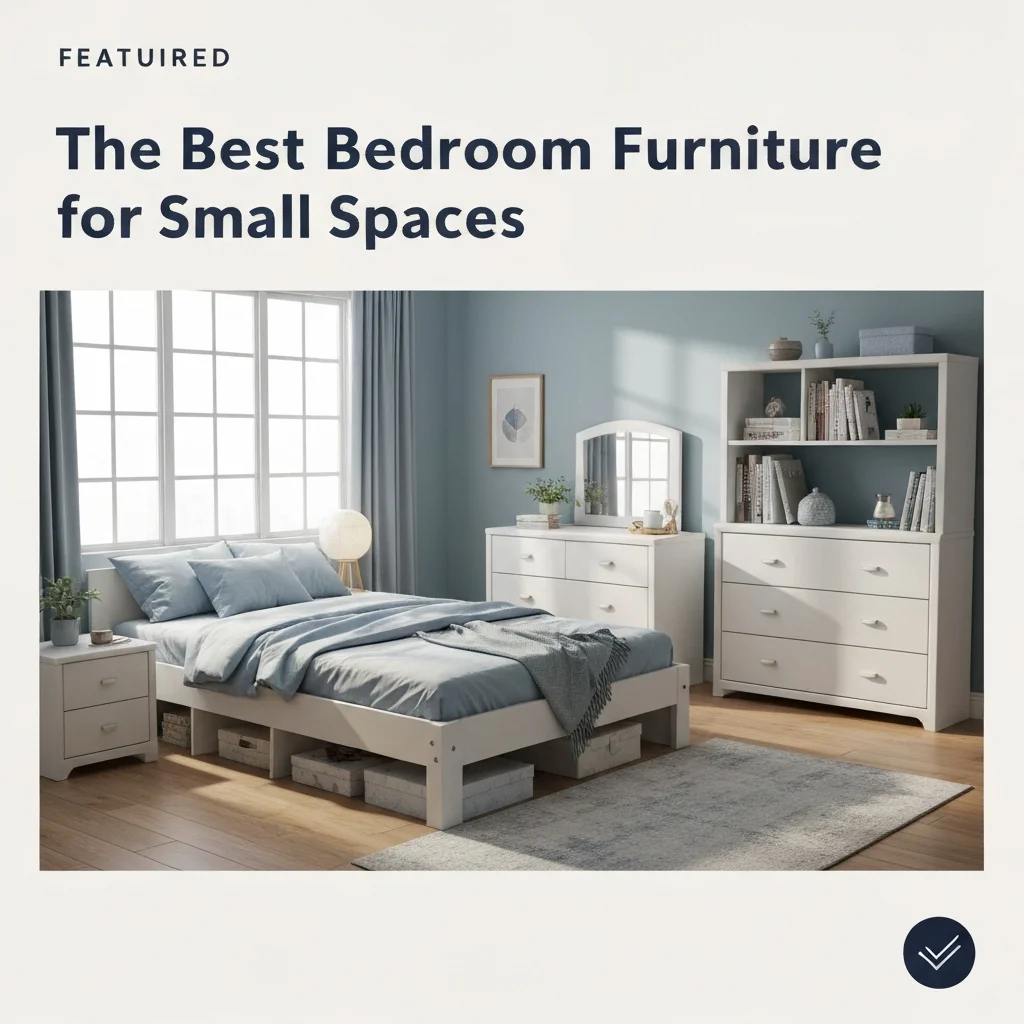
When your bedroom is short on square footage, every piece of furniture has to earn its keep. The wrong bed or dresser can make a small room feel like a closet. But with the right choices, you can create a cozy, functional, and beautiful sanctuary.
I’ve spent 15 years helping homeowners and renters transform cramped bedrooms into stylish retreats. The key isn’t just buying smaller things—it’s about picking smart, multi-tasking pieces that work harder for you.
In this guide, I’ll walk you through the absolute best bedroom furniture for small spaces. You’ll learn exactly what to look for, where to splurge, and how to avoid common mistakes that make a tiny room feel even smaller.
1. Start with the Bed: The Foundation of Small Space Design
Your bed takes up the most real estate, so choose wisely. A platform bed with built-in drawers or a hydraulic lift-up base is a game-changer. It eliminates the need for a bulky dresser by giving you under-bed storage for linens, off-season clothes, or luggage.
For truly tight rooms, a Murphy bed (wall bed) is the ultimate space-saver. When not in use, it folds flush against the wall. Some modern models even include integrated shelving or a desk. If you’re not ready for that commitment, a low-profile frame makes the ceiling feel higher and the room feel more open.
Pro tip: Avoid box springs. A platform bed is lower and saves precious vertical space. You can also swap a traditional headboard for a floating shelf—it offers storage for books and decor without taking up floor area.
2. Nightstands That Pull Double Duty
In a small bedroom, a standard nightstand with one small drawer just isn’t enough. Look for models with multiple tiers, open shelving, or a built-in USB charging station. These keep your phone, glasses, and a good book organized without cluttering the surface.
Consider a wall-mounted floating nightstand. It leaves the floor visually open, which tricks the eye into seeing more space. Alternatively, a slim console table behind the headboard can serve both sides of the bed simultaneously.
- Narrow & tall: A 12-inch-wide nightstand with three drawers maximizes vertical storage without bulging into walking paths.
- Convertible: Some nightstands include a fold-out desktop or a hidden stool for a make-up vanity.
- Crate-style: Stackable wooden crubes can be arranged as you need, offering flexible storage with a modern look.
3. Dressers and Wardrobes: Think Up, Not Out
A wide six-drawer dresser is a space hog. Instead, go vertical. A tall, slender armoire or a chest of drawers uses height to store the same amount of clothes while taking up half the floor footprint. For closets, try a hanging organizer or a slim shoe rack that fits behind the door.
If you have an awkward corner, a corner wardrobe is your best friend. It turns wasted space into a functional closet. Open-rod wardrobes with a curtain are also beautiful and cost-effective for renters who can’t install permanent fixtures.
My go-to trick: use modular cube shelving as a dresser. You can mix open cubes for folded sweaters with closed baskets for socks. It’s customizable, affordable, and looks crisp.
| Furniture Type | Best For | Space Saving Feature |
|---|---|---|
| Tall Chest of Drawers | Vertical storage | Same capacity as wide dresser in 40% less floor space |
| Corner Armoire | Dead corners | Fits into 90° angles, out of traffic flow |
| Floating Shelves + Hooks | Everyday accessories | Zero floor space used |
4. Multi-Functional Furniture: The MVP of Small Bedrooms
Why have one piece of furniture when you can have three-in-one? A daybed with pull-out trundle doubles as a seating area during the day and a guest bed at night. A storage bench at the foot of the bed can hold extra blankets and also serve as a place to sit and tie your shoes.
Look for nesting tables that slide under each other. Use them as side tables or a laptop desk. When guests come, pull them out. Another stealthy idea: a mirror that is also a medicine cabinet (from IKEA) on the bedroom wall—it’s perfect for tiny jewelry or supplements.
Don’t forget the power of a fold-down wall desk. It’s a compact workstation in 12 inches of depth when closed, and a full writing surface when open. Great for studio apartments.
5. Savvy Seating Without Sacrificing Space
Your small bedroom might need a chair for reading or putting on shoes, but a standard armchair is too bulky. Instead, go for a slim, armless accent chair. A wooden stool or a pouf with hidden storage inside is even smarter.
For an office area within the bedroom, choose a compact writing desk with built-in shelves. Pair it with a stacking stool that tucks completely under the desk. When not in use, it disappears.
Consider this: a bench at the end of the bed works as seating and a display surface for a tray of books. It never intrudes into the walking pathway.
6. Essential Accessories: Mirrors, Rugs & Lighting
A large mirror is non-negotiable. It reflects light and creates the illusion of depth. Place it opposite a window if possible. A floor-to-ceiling mirror on a closet door doubles the visual space instantly.
Rugs define the bed area. Pick a small rug that goes under the lower two-thirds of the bed, not a massive wall-to-wall carpet. This keeps the floor edges open.
For lighting, plug-in sconces or clip-on reading lights save nightstand space. A slim floor lamp with an adjustable arm can light both a desk and a reading corner without a heavy base.
Frequently Asked Questions
What is the best type of bed for a very small room?
A platform bed with built-in storage or a Murphy wall bed. Both eliminate the need for extra dressers and maximize usable floor space.
Can I have a desk and a bed in a tiny bedroom?
Absolutely. Use a wall-mounted fold-down desk or a floating shelf as a workstation. Pair it with a stackable stool that slides underneath when not in use.
Should I choose a queen or full bed for a small room?
If the room is under 100 sq ft, a full bed is better. It leaves room for nightstands and walking space. A queen fits in rooms over 120 sq ft, but skip the box spring.
How do I make a small bedroom feel bigger with furniture?
Choose light-colored wood or white finishes. Use furniture with exposed legs to lift the visual weight. Keep floor space clear by hanging items on walls.
What color furniture is best for tiny bedrooms?
White, light gray, or natural oak. These reflect light and avoid the heavy look of dark woods. Add color with bedding and art instead.
Are storage ottomans worth it?
Yes. A storage ottoman at the foot of the bed hides blankets or off-season clothes, and gives you a comfy seat—all in one footprint.
Can I install a closet system without contractor help?
Yes. Many modular closet systems (like IKEA PAX or Elfa) are DIY-friendly. Use adjustable rods and shelves to customize your tight space.
What’s the biggest mistake people make in small bedroom furniture?
Buying furniture that’s too large. A king bed in a room smaller than 120 sq ft will make the space feel like a cell. Always measure doorways and clearances first.
Conclusion
Designing a small bedroom doesn’t mean sacrificing style or comfort. With the best bedroom furniture for small spaces, you can unlock hidden storage, create visual flow, and build a room that feels twice its actual size.
Start with the bed, choose vertical storage, and look for pieces that multitask. Then add mirrors for light and slim accessories to keep the room airy. Every piece you bring in should answer one question: Does this earn its square footage?
Remember, a small bedroom isn’t a limitation—it’s an opportunity to be clever. Follow these small space bedroom ideas, and you’ll end up with a space that’s functional, personal, and genuinely enjoyable to wake up in.
Now, go measure that room and start hunting for your new favorite compact furniture. Your perfect tiny bedroom is waiting.


