
Ways to Use Plants in Your Living Room Decor
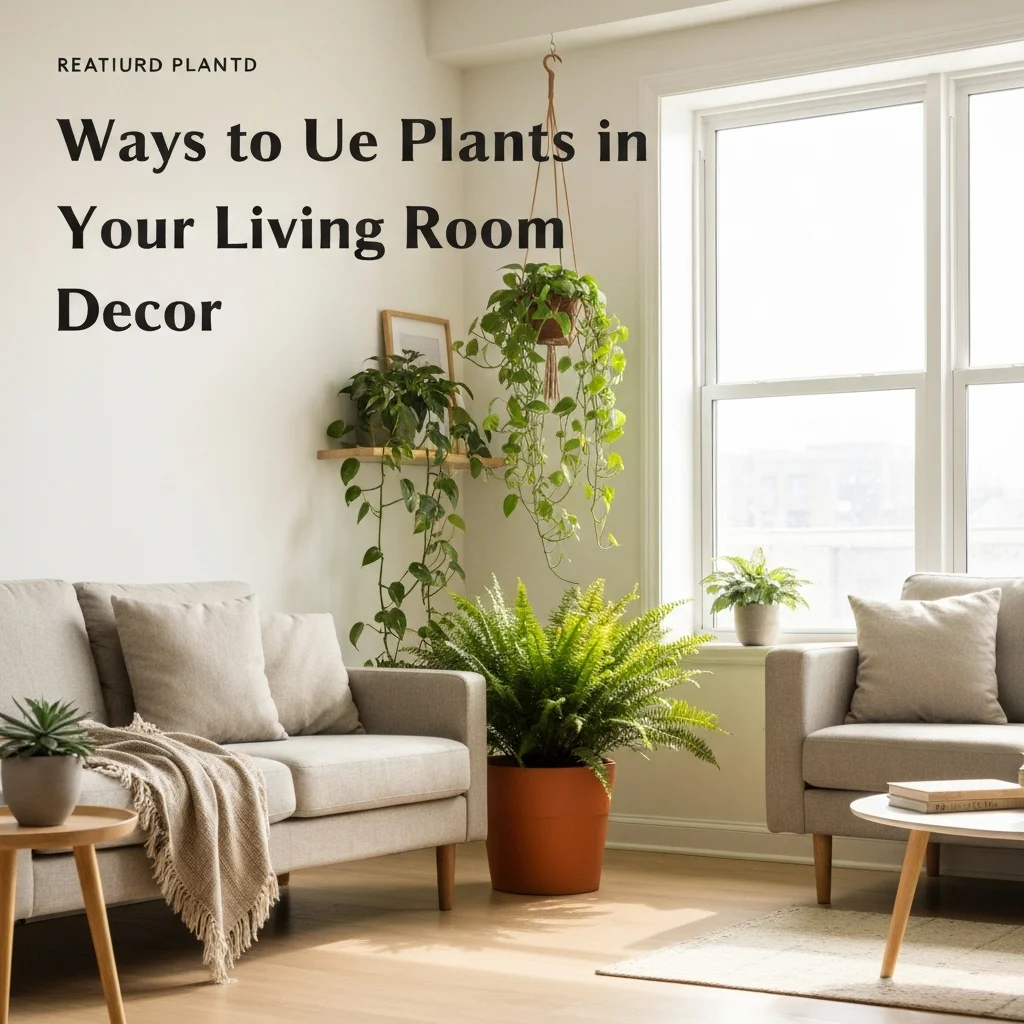
Bringing the outdoors in isn’t just a trend—it’s a timeless way to breathe life into your living room. Plants add texture, color, and a sense of calm that no piece of furniture can replicate. Whether you have a green thumb or struggle to keep a succulent alive, there are countless ways to use plants in your living room decor that fit every style and skill level.
In this guide, I’ll share my favorite plant styling strategies from 15 years in the home design world. You’ll learn how to pick the right plants, arrange them like a pro, and turn your space into a lush retreat. Let’s dig in.
1. Use a Tall Ficus as a Focal Point
Nothing anchors a room quite like a statement plant. A fiddle-leaf fig or a rubber tree instantly draws the eye and fills empty corners with life. Place it next to a sofa or near a window with indirect light.
These larger plants create vertical interest and break up monotony in open floor plans. Choose a stylish pot—like a warm terracotta or a sleek ceramic—to complement your color palette. Remember to rotate the pot monthly so the plant grows evenly.
Pro tip: If your living room gets low light, opt for a snake plant or a ZZ plant. They’re nearly impossible to kill and still offer that tall, sculptural look.
2. Layer Plants on Shelves and Side Tables
Think of your bookshelves or console tables as a mini stage for your plants. Mix heights, textures, and pot styles to create a curated vignette. A trailing pothos on a high shelf looks gorgeous cascading down, while a compact succulent sits perfectly on a coffee table.
Grouping plants in odd numbers—three or five—feels more natural to the eye. Use small risers or stack books under shorter pots to vary elevation. This is one of the most flexible indoor plant decor tricks that works even in small spaces.
Don’t forget to match the plant’s care needs. High shelves can be hard to water, so choose drought-tolerant varieties like cacti or hoyas there.
3. Create a Green Wall or Living Art
For a bold move, turn an empty wall into a vertical garden. You don’t need a complicated irrigation system—a simple grid of wall-mounted planters works beautifully. Trailing ivy, ferns, and peperomias are excellent choices.
This approach saves floor space and adds a lush, gallery-like feel. It’s especially effective in rentals where you can’t paint or drill large holes. Use magnetic planters on a metal sheet for a renter-friendly hack.
A living wall also improves air quality. Studies show that indoor plants can reduce stress and boost productivity, making your living room a healthier place to unwind.
4. Style Plants in Groups at Different Heights
Monotony kills a plant display. Instead of lining up pots in a row, cluster them on a plant stand or a small side table at varying heights. Use a mix of floor plants, pedestal stands, and hanging planters.
For example, place a tall dracaena on a stand, a medium-sized monstera on a stool, and a tiny fern on a stack of design books. This creates a dynamic greenery home design that feels intentional, not cluttered.
Make sure each plant gets its preferred light. Place sun-lovers closer to the window and shade-tolerant ones further in. A simple grouping can transform a dull corner into a conversation starter.
5. Incorporate Plants into Your Coffee Table Styling
Your coffee table is prime real estate for decor. A small tray with a low plant—like a peperomia or a small aloe—adds a fresh touch without overwhelming the surface. Pair it with a candle and a stack of coffee table books for a balanced look.
Choose plants that stay compact, like air plants or mini succulents. They require minimal care and won’t outgrow the table quickly. If you have pets, stick to non-toxic varieties such as spider plants or parlor palms.
Remember to rotate your coffee table plant occasionally to keep it from leaning toward the window. This small habit keeps your arrangement looking polished all year round.
6. Add Trailing Plants on High Furniture
One of the most elegant plant styling tips is using cascading greenery on tall furniture. Place a trailing philodendron or string of pearls on top of a bookshelf, cabinet, or mantel. The vines soften hard edges and add a romantic, bohemian vibe.
These plants work wonders in high-traffic areas because they stay out of the way. Just ensure the pot has drainage and you water carefully to avoid staining furniture. A clear plastic saucer underneath can save your surfaces.
For best results, choose varieties that thrive in the same light as the rest of your room. Golden pothos is a classic choice—it’s forgiving and grows quickly.
7. Use Plants to Define Zones in Open Layouts
In an open-concept living room, plants can act as natural room dividers. A row of tall snake plants or a large monstera on a stand visually separates the seating area from the dining zone. It’s softer than a screen and adds privacy.
You can also use a long, low planter as a border between the living room and hallway. Fill it with ferns or calatheas for a lush, tropical feel. This is a clever houseplant arrangement idea that works without any construction.
Keep maintenance simple by grouping plants with similar watering needs—this makes your routine more efficient and your decor more cohesive.
| Plant Type | Best Location | Light Needs | Maintenance Level |
|---|---|---|---|
| Fiddle-leaf fig | Bright corner near window | Bright, indirect | Moderate |
| Snake plant | Low light corners | Low to bright | Easy |
| Pothos (trailing) | High shelves or hanging | Low to bright indirect | Very easy |
| ZZ plant | Low-light areas | Very low | Very easy |
| Monstera | Floor stand near window | Bright, indirect | Moderate |
Frequently Asked Questions
What are the best low-maintenance plants for a living room?
Snake plants, ZZ plants, and pothos are top choices. They tolerate low light and irregular watering, making them perfect for busy homeowners or beginners.
Where should I place plants in a living room for best effect?
Focus on empty corners, beside sofas, on coffee tables, and on high shelves. Entry-level spots like side tables and mantels also benefit from a small plant accent.
Can I have plants in a living room with no natural light?
It’s challenging, but some plants like snake plants and ZZ plants can survive under artificial light. Use full-spectrum grow lights to supplement if needed.
How many plants should I put in a living room?
Start with 3 to 5 plants for a balanced look. Scale up as you get comfortable—grouping them in odd numbers usually looks most natural.
Are there pet-safe plants for indoor decor?
Yes, spider plants, parlor palms, and calatheas are safe for cats and dogs. Always double-check the ASPCA list before buying.
How do I style plants without cluttering the room?
Use vertical space with hanging planters and tall stands. Stick to a cohesive pot color scheme and let each plant breathe—less is often more.
What size pots should I use for living room plants?
Choose pots that are 1-2 inches wider than the plant’s root ball. Oversized pots can cause root rot, while undersized ones stunt growth.
Conclusion
Incorporating living room plants into your decor is one of the most rewarding ways to refresh your space. From towering focal points to delicate trailing vines, every plant adds its own personality. You don’t need a jungle—just a few thoughtful choices that match your home and lifestyle.
Start small if you’re new to indoor plant decor. Pick one or two of the ideas above, test them out, and watch your living room come to life. Trust me, your space will feel calmer, fresher, and infinitely more inviting.
Now go ahead—find your perfect plant and make it part of your home story.


