
The Best Ways to Incorporate Texture into Your Living Room
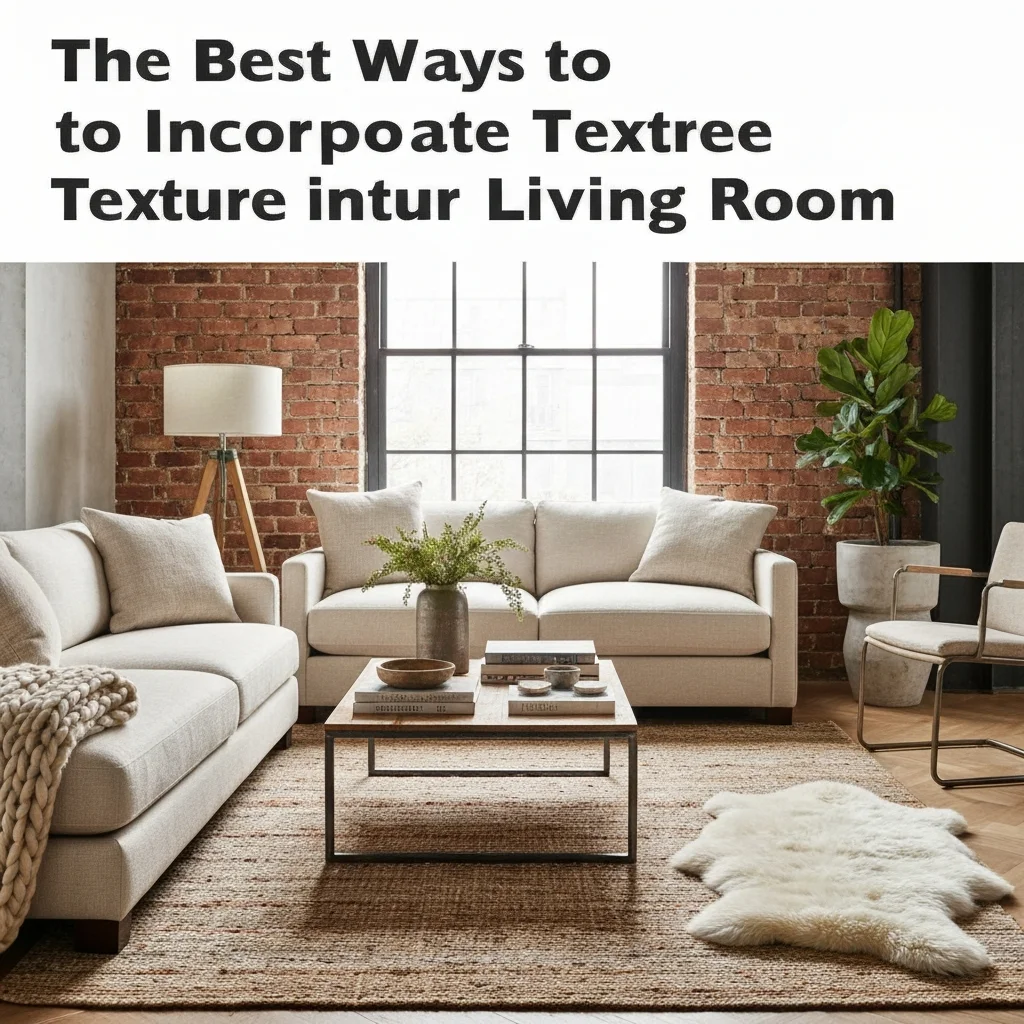
Have you ever walked into a living room that felt flat—even though the colors were perfect? That missing element is often texture. Texture is the secret weapon of professional designers, adding depth, warmth, and personality to any space.
When you incorporate texture into your living room, you create a space that feels curated and lived-in, not staged. This guide will show you exactly how to layer materials, fabrics, and finishes to achieve that designer look.
1. Start with a Textured Foundation: Rugs and Flooring
The floor is the largest flat surface in the room, so it’s the perfect place to begin your texture journey. A flat, smooth floor can make the whole room feel sterile. Introducing a rug instantly adds a tactile layer.
For cozy living room design, opt for a high-pile wool or shag rug in the seating area. In a high-traffic zone, a flatweave kilim or a jute rug adds natural, organic texture. The contrast between the two creates visual interest.
Pro tip: Layer a smaller, patterned cowhide or sheepskin rug over a larger neutral jute rug. This unexpected pairing is the hallmark of advanced layering textures in decor.
2. The Power of Throw Pillows and Blankets
Your sofa is a canvas waiting for texture. Instead of buying one type of throw pillow, mix different fabrics. Think about how each material feels to the touch—that’s the essence of texture.
- Velvet: Adds a luxurious, soft sheen.
- Linen: Brings a casual, breezy feel.
- Chunky knit: Instantly boosts the cozy factor.
- Faux fur: Invites touch and adds warmth.
Drape a chunky cable-knit throw over the back of your sofa, and place a few velvet pillows in complementary colors at the ends. This mix of smooth and rough instantly elevates your living room texture ideas.
3. Embrace Natural Elements: Wood, Stone, and Plants
Nature is the original texture master. Bringing organic materials indoors adds an irreplaceable richness. A wooden coffee table with visible grain offers a different feel than a sleek glass one.
Consider a side table made of raw-edge wood, a stone vase, or a basket woven from seagrass. These textured home accessories ground the room and add an earthy, grounding quality.
Don’t forget plants! The glossy leaves of a Monstera contrast beautifully with the fuzzy texture of lamb’s ear plants. Even the matte finish of a ceramic pot adds another layer to your visual interest in living room strategy.
4. Luxurious Layers: Curtains and Upholstery
Window treatments are often an afterthought, but they are prime real estate for texture. Floor-to-ceiling linen curtains create a soft, airy feel. For a more dramatic look, choose heavy velvet drapes that pool slightly on the floor.
When choosing upholstery, think beyond the color. A bouclé fabric on an accent chair offers a nubby, tactile experience. A leather sofa brings a smooth, aged patina over time. Mixing these creates a dynamic and intentional space.
A great rule of thumb: aim for at least three different textures within your eye line in the room.
5. Metallic and Glass Accents for Contrast
Texture isn’t just about soft fabrics. Shiny, hard surfaces provide essential contrast. A brass floor lamp, a mirrored coffee table, or a glass sculpture can break up a room that is too “soft.”
Think of metals as the “spice” in your design recipe. A brushed nickel finish is different from polished chrome or aged bronze. Each brings a different reflective quality. Use them sparingly to catch the light and add a touch of glamour.
Pair a smooth ceramic vase with a rough wooden bowl on the same shelf. This juxtaposition is what makes a room feel collected, not decorated.
6. Don’t Forget the Walls and Ceiling
Most people stop at furniture, but the walls and ceiling are massive opportunities. Consider a textured wallpaper—like grasscloth or a subtle geometric pattern. This adds a tactile and visual layer without taking up floor space.
Another idea: a shiplap accent wall offers a rustic, linear texture. For the ceiling, consider a wood plank treatment or even a simple coat of high-gloss paint. The sheen itself adds a textural quality to the light.
Gallery walls also count! Mix framed art (glass-fronted, wood, or metal frames) with woven wall hangings or macramé for a layered, gallery-worthy look.
Texture Comparison Table
| Texture Type | Best Used For | Feeling It Creates |
|---|---|---|
| Velvet | Pillows, accent chairs | Luxurious, cozy |
| Linen | Curtains, slipcovers | Casual, airy |
| Wood (raw) | Tables, shelves | Organic, warm |
| Metal (brass) | Lamps, hardware | Refined, bright |
| Jute/Sisal | Rugs, baskets | Natural, rustic |
Frequently Asked Questions
What is the easiest way to add texture to a living room?
The fastest and most affordable method is swapping out your throw pillows and adding a textured throw blanket. It’s a low-commitment way to test different materials.
Can you have too much texture in a room?
Yes, balance is key. Avoid using more than five distinct textures in a single space, or the room can feel chaotic. Stick to a cohesive color palette to keep things harmonious.
How do I choose textures that go together?
Opposites attract. Pair smooth with rough (velvet + chunky knit), shiny with matte (glass + wood), and soft with hard (faux fur + metal). This contrast creates natural harmony.
What are the best textures for a small living room?
Stick to light, airy textures like linen, light-colored wood, and smooth cotton. Avoid heavy velvets or deep shag rugs that can make a small space feel cramped.
Should my rug and curtains match in texture?
Not at all! In fact, they should be different. If you have a smooth, flatweave rug, try heavier linen curtains. The contrast adds the depth you are looking for.
How do textures affect the mood of a room?
Soft, fuzzy textures (like wool and velvet) make a room feel cozy and intimate. Hard, smooth textures (like metal and glass) make it feel sleek and modern. Mix them for a balanced mood.
Is texture important in a minimalist living room?
Absolutely. In a minimalist space with few colors and objects, texture is what prevents the room from feeling sterile or cold. A single textured throw or a wood accent can make all the difference.
Conclusion
Learning to incorporate texture into your living room is the single most effective way to transform a flat, impersonal space into a warm, inviting sanctuary. It’s not about spending a lot of money—it’s about being intentional with the materials you choose.
Start small: add one chunky knit throw or swap out a smooth pillow for a velvet one. You’ll be amazed at how quickly the room springs to life. Layer, contrast, and most importantly, choose textures that make you want to reach out and touch them.
Your living room should feel as good as it looks. Now go make it happen.


