
How to Style Your Bookshelves Like a Designer
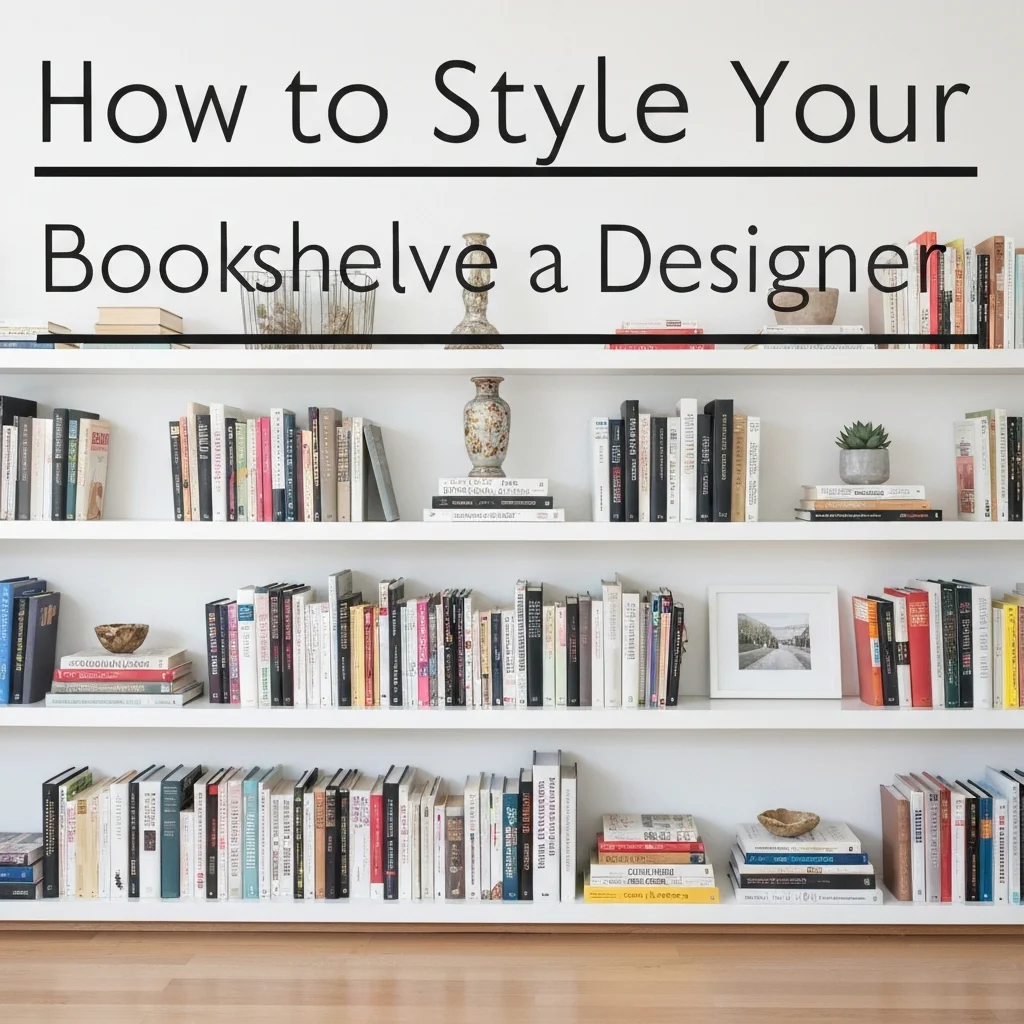
Let’s be honest: blank bookshelves are intimidating. You stare at all that empty space, pile a few books in, and suddenly it looks like a disorganized garage sale. But here’s the good news: styling your living room bookshelves like a designer is actually a simple formula—no expensive degree required. Once you understand a few key principles, you’ll turn those shelves into a focal point that feels intentional, collected, and beautiful.
Start With a Clean Slate and a Clear Vision
Before you style anything, take everything off. Every book, every frame, every random candle. Wipe down the shelves and step back. Now, decide on a mood. Do you want a minimalist library vibe, a bohemian gallery wall, or a traditional study feel? Your bookshelf styling should match your living room’s overall aesthetic. If your room leans modern, stick with clean lines and neutral tones. If it’s cozy eclectic, mix textures and warm colors freely.
Use the Rule of Three (and Four, and Five)
Designers love groupings. Odd numbers—especially three—look more natural to the human eye than even pairs. But don’t stop there. On your designer shelf decor, mix heights, shapes, and materials. For instance, stack three horizontal books, place a small ceramic vase on top, and lean a framed photo behind them. The key is variety: tall candlesticks next to short stacks, round objects beside square books. Each grouping becomes a mini story.
- High contrast: Pair dark wood books with light ceramic objects.
- Texture play: Combine smooth glass, woven baskets, and rough linen.
- Color blocking: Group books by color for a rainbow or monochrome look.
Anchor Your Shelves with Heavy Objects and Filler
Start by placing the largest items first: big art books, a substantial vase, or a sculptural object. These anchors keep the eye grounded. Then, fill in gaps with smaller pieces. Don’t leave awkward empty pockets. Use a small plant, a stack of coasters, or a single book with its cover facing out. This “filler” step prevents your home library design from looking sparse or half-finished.
Alternate Stacking and Standing Books
Nothing kills a shelf faster than rows of identical vertical spines. Shake it up. Place some books upright, and lay others in neat horizontal stacks. Use the flat stacks as pedestals for a candle or a small sculpture. This technique adds visual rhythm and makes even a standard collection of novels feel curated. For styling built-in shelves, aim for about 60% vertical books and 40% horizontal stacks across the whole unit.
| Shelf Zone | Ideal Content | Example |
|---|---|---|
| Top shelf | Light, airy objects | Small trailing plant, a single ceramic piece |
| Middle shelf (eye level) | Art, photos, statement pieces | Matched frames, a bold vase, your favorite book cover |
| Bottom shelf | Heavier, larger items | Stacked magazines, a large basket, oversized art books |
Introduce Greenery and Personal Artifacts
Plants breathe life into any shelf arrangement. A trailing pothos, a small snake plant, or even dried eucalyptus adds organic softness against hard book spines. Then, weave in personal touches—a vintage camera, a shell from a beach trip, a ceramic bowl you made. These objects tell your story. Designers call this “collected over time” because it feels real, not staged. Just don’t overdo it: one or two personal items per shelf is plenty.
Leave Breathing Room
Here’s the trick that separates amateurs from pros: negative space. Do not fill every inch. Let some shelves have just one large object and a book. Let others be nearly empty. This ebb and flow gives the eye a place to rest. If your living room bookshelves look cluttered, remove 30% of the items immediately. You’ll be amazed how much more sophisticated it becomes.
Frequently Asked Questions
How do I style bookshelves on a budget?
Use what you already own. Rearrange books by color or size. Thrift stores are goldmines for small ceramic pieces, brass objects, and vintage books. A can of spray paint can transform old frames into a cohesive collection.
Should I arrange books by color or by size?
Both work, but color is more visually striking for a modern look. Size-based arrangement feels more traditional and orderly. Try color blocking on one shelf and size grouping on the next for a layered effect.
How many items per shelf is ideal?
Aim for three to five items per standard shelf. More than that risks feeling cluttered. Adjust based on the size of your objects and the depth of the shelf.
Can I use fake plants on my shelves?
Yes, but choose high-quality faux greenery. Avoid shiny plastic. Good silk or preserved moss looks believable and requires no maintenance—perfect for dark corners.
How do I style shelves with small kids at home?
Keep heavy or breakable items on higher shelves. Use the lower shelves for durable objects like woven baskets, board books, and toys. This keeps the design intact while being functional.
What about floating shelves versus built-ins?
Floating shelves look best with a tight, edited selection—one or two books plus a small object. Built-ins can handle more density because they are framed by the architecture. Adjust your styling strategy accordingly.
Should every shelf look the same?
No. Variety makes shelves dynamic. Mix busy shelves with minimal ones, tall items with short ones, and solid colors with patterns. Uniformity is boring; repetition with intention is beautiful.
How do I update my shelves seasonally?
Swap out a few objects each season. In fall, add a small pumpkin or warm-toned candles. In spring, bring in fresh greenery and lighter linen. You don’t need to overhaul everything—just refresh 20% of the display.
Conclusion
Styling your bookshelves like a designer isn’t about following rigid rules—it’s about balance, rhythm, and a little bit of bravery. Start with a clean slate, mix vertical and horizontal books, anchor with heavy pieces, and always leave room to breathe. Incorporate plants, personal treasures, and odd-numbered groupings. Before you know it, your living room bookshelves will go from forgettable to the star of the room. Trust the process, step back often, and remember: even designers rearrange things three times before it feels right.


