
Creative Ways to Use Bedroom Wallpaper
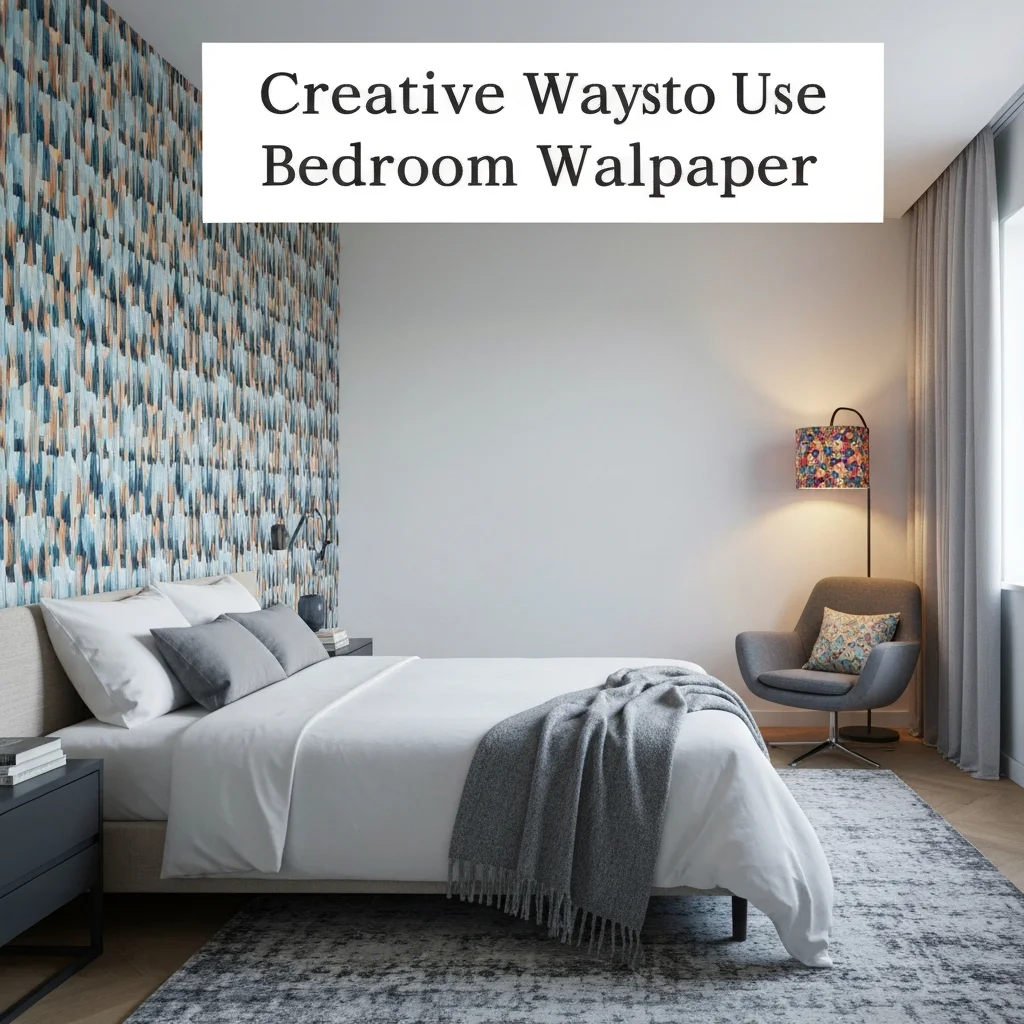
Wallpaper has made a serious comeback, and it’s not just for grand living rooms or entryways anymore. When used thoughtfully, bedroom wallpaper can set the mood, define your style, and even make a small space feel larger. Whether you’re a renter looking for temporary solutions or a homeowner ready for a full makeover, these creative ideas will inspire your next project.
Why Choose Wallpaper for Your Bedroom
Your bedroom should feel like a personal sanctuary. Unlike paint, wallpaper adds texture, pattern, and depth that instantly elevate the room. Modern wallpaper options are more durable and easier to clean than ever. Plus, with peel-and-stick varieties, you can change your mind without a major commitment.
Another big advantage? Wallpaper hides imperfections better than paint. If your walls have minor cracks or uneven surfaces, a good pattern will camouflage them effortlessly. It’s a practical choice that doubles as a design statement.
Go Beyond the Accent Wall
While a single bedroom accent wall is a classic move, don’t be afraid to think bigger. Wallpapering all four walls creates a cocoon-like effect, perfect for a cozy bedroom. Choose a subtle pattern like a soft geometric or a tone-on-tone floral to keep it from feeling overwhelming.
For a bold approach, try wallpapering only the upper half of your walls and pairing it with a wainscot or chair rail. This trick adds visual interest without dominating the space. It’s an especially smart strategy for small bedrooms where too much pattern might feel cramped.
Take It to the Ceiling
The ceiling is often called the fifth wall—and it’s time to treat it that way. A patterned ceiling draws the eye upward, making the room feel taller and more expansive. This works wonders in rooms with low ceilings or awkward layouts.
Try a metallic or celestial pattern for a dreamy, nighttime vibe. Or go with a classic stripe to elongate the space. Just remember: keep the walls neutral to let the ceiling shine without competing for attention.
Use Wallpaper Inside Nooks and Alcoves
Does your bedroom have a reading nook, a closet alcove, or a recessed window area? These small, contained spaces are ideal for wallpaper. Because the area is limited, you can experiment with bolder patterns without overwhelming the room.
For example, line the back of an open closet with a vibrant tropical print. Or add wallpaper inside a bay window to create a focal point. This technique adds surprise and personality to otherwise overlooked corners.
Combine Patterns and Textures
Mixing different wallpaper patterns in the same room can feel risky, but it works when done with intention. The key is to keep a common color palette. Pair a large-scale floral on an accent wall with a small-scale geometric on the ceiling.
You can also mix textures. A velvet-like flocked wallpaper on one wall contrasts beautifully with a smooth grasscloth on another. This adds depth and tactile interest, making your bedroom feel layered and curated.
Make a Headboard with Wallpaper
Forget buying a new headboard—create one with wallpaper instead. Mark a rectangle behind your bed and apply a standout pattern within that area. Use trim or molding to frame it, giving the illusion of an actual headboard.
This is one of the most cost-effective bedroom design ideas for renters or budget-conscious decorators. It adds immediate drama and definition to your bed’s position. Plus, you can swap the pattern whenever you want a refresh.
Furniture Makeover with Wallpaper
Wallpaper isn’t just for walls. Give old furniture a second life by applying wallpaper to dresser drawers, nightstand tops, or the inside of a wardrobe. Use a clear sealant over the paper to protect it from wear and tear.
Think about the back of a bookshelf or the front of a filing cabinet. This is a fantastic way to incorporate modern wallpaper patterns into your bedroom without a full wall commitment. It’s also an eco-friendly way to update furniture you already own.
Create a Focal Point with a Patterned Wall
Sometimes one wall is all you need. Choose the wall your bed faces—not the one behind it—for a surprise focal point. This draws attention as soon as you walk in, making the room feel intentional and designed.
Large-scale murals are particularly effective here. Think a forest scene, abstract art, or oversized botanicals. This creates a conversation piece and gives your bedroom a gallery-like feel.
Tips for Small Bedrooms
- Light colors and small patterns make the room feel larger and airier.
- Vertical stripes visually raise the ceiling height.
- Mirrored or metallic wallpapers reflect light and add depth.
- Peel-and-stick options are perfect for renters who want a temporary update.
- Wallpaper only the ceiling to leave walls clean and open.
For small bedrooms, less is often more. Stick to one wall or a small area to avoid visual clutter. The goal is to enhance, not overwhelm.
Comparing Wallpaper Types
| Wallpaper Type | Best For | Installation Difficulty | Removal |
|---|---|---|---|
| Peel-and-Stick | Renters, beginners, temporary designs | Easy | Very easy, no residue |
| Traditional Paste | Permanent installations, high-traffic areas | Moderate to hard | Requires soaking and scraping |
| Grasscloth | Textured, natural look | Hard (needs professional help) | Challenging |
| Flocked | Luxury, velvet-like feel | Moderate | Moderate |
| Vinyl | Bathrooms, kitchens (moisture-resistant) | Easy | Easy |
Choose your wallpaper based on your skill level and the room’s needs. If you’re new to DIY, peel-and-stick is your best friend. For a long-term investment, traditional paste offers more durability.
Frequently Asked Questions (FAQ)
Can I wallpaper over textured walls?
Yes, but preparation is key. Smooth out heavy texture with sanding or a skim coat. For light texture, a thick wallpaper like grasscloth can hide bumps.
How much wallpaper do I need for one accent wall?
Measure the wall’s height and width, then calculate the square footage. Most rolls cover about 28-30 square feet. Always add 10% for pattern matching and waste.
Is peel-and-stick wallpaper removable without damage?
Yes, high-quality peel-and-stick wallpaper is designed to remove cleanly. Test a corner first, and use a hairdryer to soften adhesive if needed.
What wallpaper pattern works best for a small bedroom?
Small-scale patterns, vertical stripes, and light tones are ideal. They create an illusion of more space without feeling busy.
Can I install wallpaper myself?
Absolutely. Peel-and-stick is beginner-friendly. For traditional wallpaper, watch tutorials and use proper tools like a smoothing brush and seam roller.
How do I clean wallpaper in a bedroom?
Most modern wallpapers are wipeable. Use a damp cloth with mild soap for smudges. Avoid abrasive cleaners that could damage the print.
Should I match wallpaper to my bedding?
Not necessarily. Contrast often works better. If your bedding is neutral, a vibrant wallpaper adds pop. If bedding is patterned, choose a wallpaper that pulls one color from it.
Final Thoughts
Wallpaper is one of the most versatile tools in interior design. Whether you’re going for a subtle backdrop or a bold statement, the right bedroom wallpaper can completely redefine your space. Start small—maybe a nook or a single wall—and build confidence from there.
Remember to consider wallpaper installation tips like surface preparation and pattern alignment for a professional finish. With so many styles, from classic damasks to modern geometrics, there’s a pattern for every personality. Your bedroom deserves to be both restful and inspiring—and wallpaper can deliver exactly that.


