
How to Add Style to a Small Room
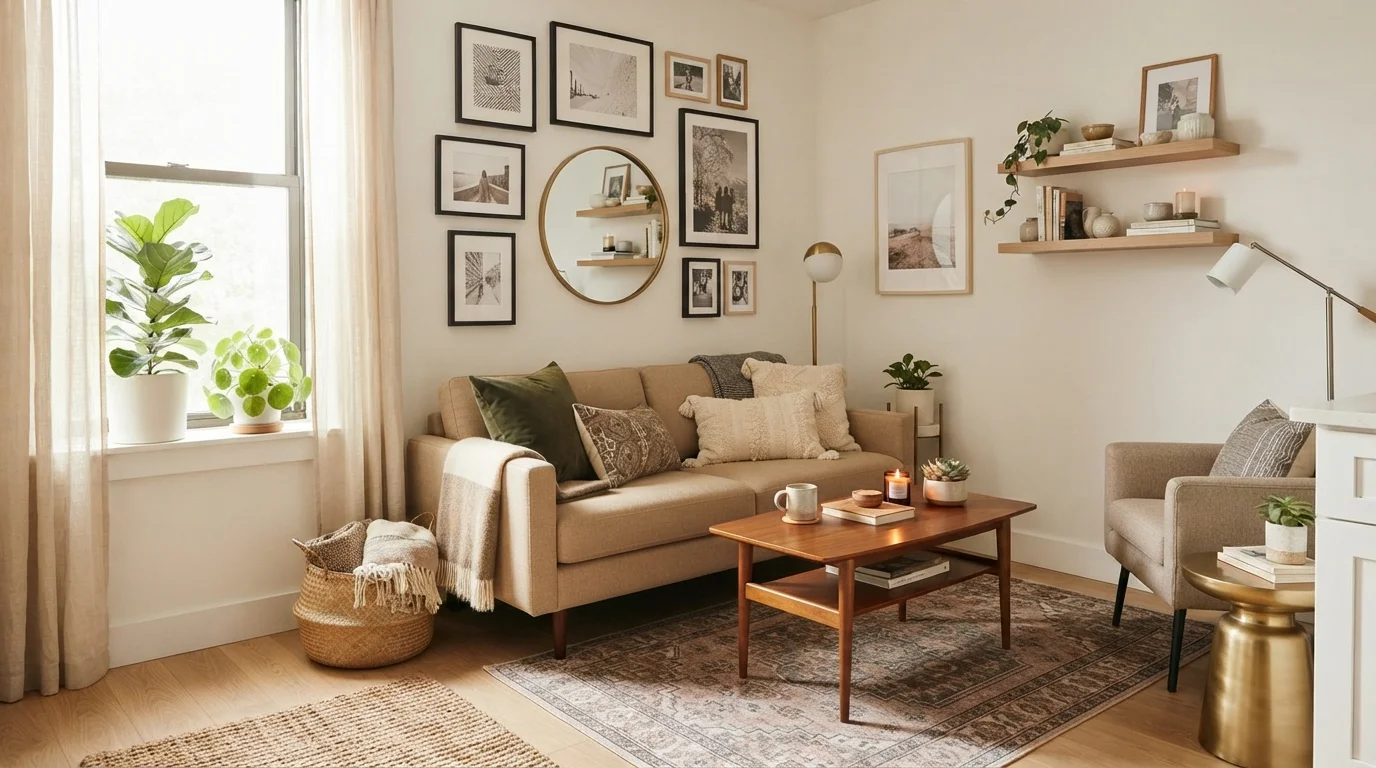
Let’s be honest: decorating a small room can feel like a puzzle with too many pieces and not enough table space. You want it to look good, but you also need it to function. The good news? You don’t need a bigger square footage to create a space that feels curated, cozy, and undeniably stylish. You just need the right playbook.
In this guide, we’ll walk through proven small room decor ideas that maximize style without cramping your lifestyle. From visual tricks that fool the eye to furniture that pulls double duty, here’s how to turn a tight spot into your favorite room in the house.
1. Master the Art of Vertical Space
When floor space is limited, the walls become your best real estate. Most people forget to look up, but that’s where the magic happens. Install floor-to-ceiling curtains—even if your window is small. This draws the eye upward and makes the ceiling feel higher.
Add floating shelves above door frames or in awkward corners. Use them to display curated objects like a stack of design books, a small plant, or a ceramic vase. This gives the room personality without eating into your precious square footage.
2. Choose a Cohesive, Light Color Palette
Color is your most powerful tool for small space design. Light, neutral tones like warm white, soft beige, or pale gray reflect natural light and make walls feel like they recede. A monochromatic scheme—where walls, trim, and furniture share the same color family—creates a seamless, airy flow.
That doesn’t mean you have to avoid color. Inject personality through one accent wall, artwork, or a textured throw blanket. Just keep the base neutral so the room doesn’t feel closed in. A cohesive palette is the secret sauce to maximize small room style.
3. Invest in Multi-Functional Furniture
In a small room, every piece of furniture should earn its keep. Think ottomans with hidden storage, a desk that folds into a console table, or a bed frame with built-in drawers. This isn’t just about storage—it’s about reducing visual clutter.
- Storage bench: Perfect at the foot of the bed for extra seating and stashing linens.
- Nesting tables: Pull them apart when guests arrive, stack them away when you need floor space.
- Sleeper sofa: A guest bed that lives as a chic sofa 90% of the time.
By choosing pieces that serve two purposes, you free up real estate for the style elements that matter, like a statement mirror or a sculptural lamp.
4. Use Mirrors to Double the Room
This is the oldest trick in the book for a reason. A large mirror placed opposite a window reflects both natural light and the view outside, instantly making the room feel twice as large. But don’t stop there.
Try leaning a floor mirror against the wall for a casual, editorial look. Or group several small mirrors in a gallery arrangement to create a dynamic focal point. Mirrors act like windows where there are none, and they add a layer of polish that screams “intentional design.”
5. Scale Your Decor Correctly
One of the biggest mistakes people make is buying tiny furniture for a tiny room. A single, large sofa or a generous area rug actually makes the space feel bigger because it reduces visual noise. A room full of small, scattered furniture looks busy and cluttered.
Here’s a quick reference to help you choose the right scale:
| Item | Small Room Mistake | Better Choice |
|---|---|---|
| Coffee Table | A tiny round table | One rectangular, low-profile table |
| Rug | A small “floating” rug | A rug that fits under all front legs of furniture |
| Artwork | Many small frames | One oversized piece or a tight 3-piece grid |
When you scale up thoughtfully, the room feels intentional and bold—key to creating a cozy small room that doesn’t feel cramped.
6. Layer Lighting for Depth and Mood
Overhead lighting is the enemy of intimacy. In a small room, harsh ceiling lights flatten the space and highlight every corner you’d rather hide. Instead, layer three types of light: ambient (soft overhead), task (desk or reading lamp), and accent (picture lights or floor lamps).
Use warm bulbs (2700-3000 Kelvin) to create a golden glow. Place a floor lamp behind a chair to create a nook effect, and add a small table lamp on a console for warmth. Good lighting makes a room feel larger and more luxurious instantly.
7. Add Texture, Not Clutter
Since you can’t add many objects, you need to add tactile interest. Texture is your secret weapon for small room decor ideas that feel rich and layered. Think linen curtains, a chunky knit throw, velvet pillows, rattan baskets, and a wool rug.
These materials add visual warmth without taking up physical space. Mix at least three textures in the room—for example: a smooth leather chair, a fluffy sheepskin rug, and a matte ceramic planter. This creates depth that fools the eye into seeing a bigger, more curated space.
Frequently Asked Questions
What is the best color to make a small room look bigger?
Light, cool tones like soft white, pale greige, and light blue-gray are ideal. They reflect light and create a sense of openness. For a warmer vibe, stick to cream or very light taupe.
Should I put wallpaper in a small room?
Absolutely. Choose a wallcovering with a small, subtle pattern or a vertical stripe. Covering all walls can feel bold, but it works if you keep furniture minimal and light. Try an accent wall behind the bed or sofa.
How do I arrange furniture in a small living room?
Float your sofa away from the wall by a few inches to create breathing room. Angle a chair toward the sofa to create conversation zones. Keep pathways clear—at least 18-24 inches wide.
Can I use dark colors in a small room?
Yes, if you’re intentional. Dark colors like navy, charcoal, or deep forest green can make a small room feel like a cozy jewel box. Pair them with metallic accents, good lighting, and light-colored textiles to keep the space from feeling like a cave.
What are the best window treatments for a small room?
Hang curtains from ceiling to floor, just skimming the floor. Choose a light fabric like linen or cotton. Avoid heavy drapes that block light. Blinds or shades in a light neutral also work well if space is tight.
How can I add storage without making the room feel smaller?
Use vertical storage like tall bookshelves or cabinets. Opt for built-in solutions where possible. Choose furniture with hidden compartments—like an ottoman or a bed with drawers. Keep surfaces clear to maintain an open feel.
What kind of rug is best for a small room?
Go for a rug that is large enough to anchor your main furniture. Avoid tiny rugs that make the room look fragmented. Aim for a low-pile or flatweave rug to keep the floor space visually clean.
How do I make a small bedroom feel luxurious?
Invest in high-quality bedding with a high thread count. Add a statement headboard, even if it’s just a large piece of fabric on a frame. Use blackout curtains in a rich fabric and add a small chandelier or wall sconce for mood lighting.
Conclusion
Learning how to add style to a small room is all about editing with intention. You don’t need more space—you need the right strategies. Prioritize vertical design, scale your furniture with confidence, layer in texture and lighting, and let your personality shine through each curated choice.
Remember: a small room can be your most stylish room. It forces you to make bold decisions that pay off. Start with one change today—maybe that oversized mirror or a fresh coat of white paint—and watch the whole room transform.
Ready to take your small space design further? Check out our collection of smart storage solutions and space-saving furniture guides to keep the inspiration going.


