
How to Choose Bedroom Window Blinds
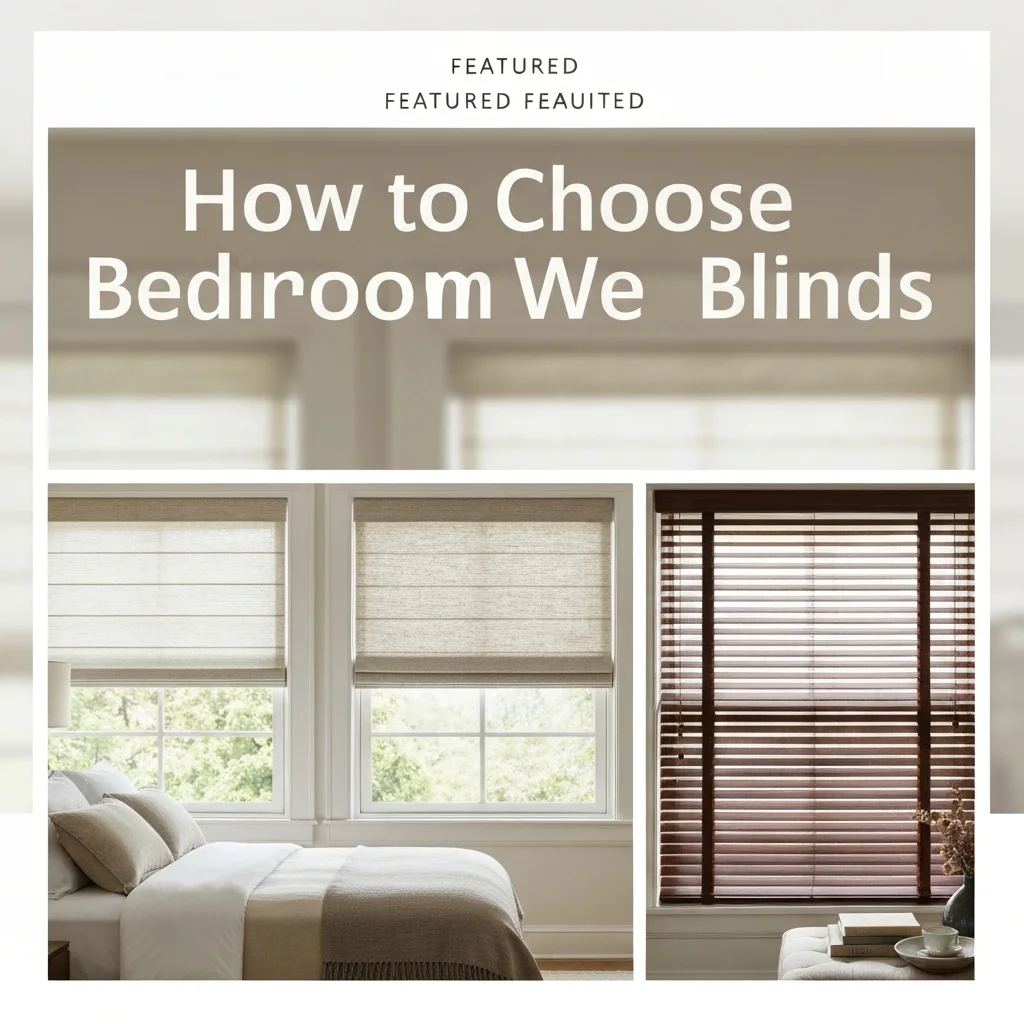
Your bedroom is your sanctuary — a place to unwind, recharge, and escape the world. The right window treatment plays a massive role in setting that mood. But with so many options out there, choosing the perfect bedroom window blinds can feel overwhelming.
Do you prioritize total darkness for sleep? Or maybe you need privacy without blocking every ray of sunlight? Perhaps you’re after a modern, clean look that ties the whole room together.
In this guide, I’ll walk you through everything you need to know. By the end, you’ll know exactly which blinds fit your lifestyle, your sleep habits, and your design vision.
Why Bedroom Blinds Are Different From the Rest of the House
Let’s be honest: your living room and bedroom have very different needs. In the living room, natural light and an open feel are usually the goals. In the bedroom, you often want darkness, coziness, and a solid barrier between you and the outside world.
Bedroom window blinds need to balance three key factors: light control, privacy, and aesthetics. You don’t want flimsy plastic blinds that let in light at 5 AM. You also don’t want something that looks like it belongs in an office.
Think of your blinds as the final layer of your sleep environment — just as important as your mattress and pillows. Poor blinds can actually disrupt your circadian rhythm by letting in unwanted light at the wrong time.
Top 5 Types of Bedroom Window Blinds You Should Consider
Below is a quick comparison of the most popular options. Each has unique strengths depending on your priority.
| Blind Type | Best For | Light Control | Privacy Level | Price Range |
|---|---|---|---|---|
| Blackout Roller Blinds | Deep sleep & shift workers | Excellent | High | $$ |
| Cellular (Honeycomb) Shades | Energy efficiency & soft light | Good to Excellent | High | $$$ |
| Roman Shades | Elegant, textured look | Moderate (with liner: High) | Moderate-High | $$$ |
| Vertical Blinds | Large windows & sliding doors | Moderate | Moderate | $ |
| Wood or Faux Wood Blinds | Warm, classic aesthetic | Moderate | Moderate | $$ |
Blackout Blinds for Bedroom: The Gold Standard for Sleep
If you’re a light sleeper, work night shifts, or have a bedroom that faces east (hello, early sunrise), blackout blinds for bedroom are non-negotiable. These blinds are designed with a special opaque coating or fabric that blocks nearly 100% of external light.
I always tell clients that blackout roller blinds are the most cost-effective option for pure darkness. They’re sleek, easy to clean, and come in dozens of colors. You can pair them with curtains for a layered look — but honestly, they work great on their own.
For even more control, look for “room darkening” vs. “blackout” labels. Room darkening blocks most light but may still let in some glow around the edges. True blackout blinds have side channels or cassette systems that seal the light out completely.
Best Blinds for Privacy: Keep Prying Eyes Out Without Sacrificing Light
Let’s face it — nobody wants to feel like they’re living in a fishbowl. But you also don’t want to live in a cave. So what are the best blinds for privacy that still let in natural light?
Top-down bottom-up cellular shades are my personal favorite here. They let you lower the top of the shade to let in light while keeping the bottom closed for privacy. Genius, right?
Another great option is sheer blinds or dual-layer shades (e.g., a sheer and blackout combo). During the day, you close the sheer layer for privacy while still enjoying soft diffused light. At night, you drop the blackout layer for total seclusion.
How to Choose the Right Material and Color
The material of your bedroom window blinds impacts both function and feel. Fabric blinds (like cellular or Roman) soften the room and absorb sound — perfect for a calm atmosphere. Vinyl or aluminum blinds are more durable and moisture-resistant, ideal if your bedroom connects to a bathroom.
When it comes to color, a common mistake is going too dark. Dark blinds absorb heat and can make a small bedroom feel even smaller. Instead, opt for neutral tones like warm white, soft beige, or light gray. These colors reflect light and make the room feel airy.
If you want a bold statement, go with a deep navy or forest green — but only if the room has plenty of natural light and square footage.
Measuring and Installation Tips You Can’t Ignore
Here’s the part where most people mess up: measuring. A poorly fitted blind will let in light from the sides, ruining the blackout effect and looking sloppy.
- Inside mount: Measure the width at the top, middle, and bottom of the window frame. Use the narrowest measurement.
- Outside mount: Measure the width of the window plus at least 2-3 inches on each side to cover the frame.
- Length matters: For inside mounts, make sure the blinds sit flush against the window sill without dragging on the floor.
- Depth check: Some blinds (like honeycomb shades) need a deep window frame. Shallow frames work better with roller or mini blinds.
Always double-check your measurements before ordering. Many brands offer free samples — take advantage of that to see the actual color and fabric in your room’s lighting.
Energy Efficiency and Safety Considerations
Did you know that cellular shades bedroom installations can actually lower your energy bills? The honeycomb structure traps air, creating an insulating barrier against heat loss in winter and heat gain in summer. It’s a small investment that pays off over time.
Safety is another critical factor, especially if you have kids or pets. Choose cordless or motorized blinds to eliminate strangulation hazards. Many modern bedroom window coverings now come with tensioned or wand-operated systems that are completely safe.
Motorized blinds are also a great luxury upgrade. You can set them on a timer to open in the morning as a gentle wake-up call and close automatically at night.
Frequently Asked Questions
1. What is the best type of bedroom window blind for total darkness?
Blackout roller blinds with side channels offer the highest level of darkening. They’re the top choice for shift workers and light-sensitive sleepers.
2. Are cellular shades better than roller blinds for bedrooms?
Both are excellent. Cellular shades are better for insulation and soft light diffusion, while roller blinds are more affordable and offer superior blackout options.
3. Can I use the same blinds for my bedroom and living room?
Technically yes, but not recommended. Bedroom window blinds should prioritize light control and privacy, while living room blinds can be more open and decorative.
4. How do I clean bedroom window blinds?
Vacuum fabric blinds with a brush attachment monthly. For vinyl or aluminum, use a damp microfiber cloth. Avoid harsh chemicals that can discolor the material.
5. Do dark colored blinds make a room hotter?
Yes, especially if exposed to direct sunlight. Dark blinds absorb heat. Light-colored blinds reflect it, keeping the room cooler.
6. How much should I expect to spend on quality bedroom blinds?
For a standard window (36” x 60”), budget between $40 and $150 per blind. Custom sizes or motorized options can cost $200 or more per window.
7. Should I choose inside mount or outside mount?
Inside mount looks cleaner and more built-in. Choose outside mount if your window frame is shallow or if you want to make a small window look larger.
8. Are cordless blinds worth the extra money?
Absolutely. They are safer, easier to operate, and give a more polished appearance. For a bedroom, they’re a must-have.
Conclusion
Choosing the right bedroom window blinds is about finding the perfect balance between function, style, and comfort. Start by identifying your top priority: sleep quality, privacy, energy savings, or aesthetic appeal.
From blackout rollers for night shift workers to cellular shades for energy-conscious homeowners, there’s a perfect match for every bedroom. Don’t forget to measure twice, consider cordless options for safety, and select a color that complements your existing decor.
A well-chosen blind doesn’t just cover a window — it transforms your entire sleep experience. Take your time, explore your options, and create the bedroom you deserve.


