
How to Choose the Best Bedroom Flooring
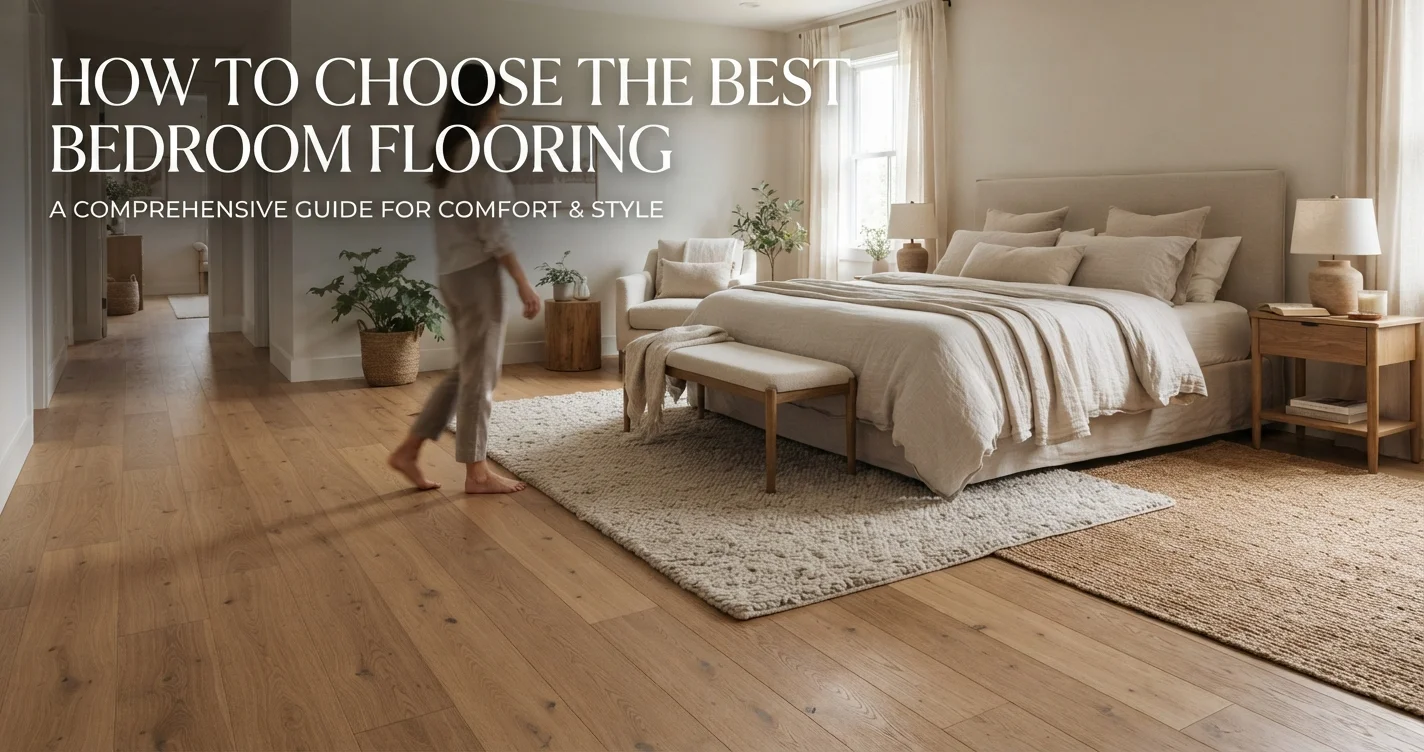
Your bedroom is your sanctuary. It’s where you start and end each day, so the floor beneath your feet matters more than you think. Choosing the best bedroom flooring isn’t just about looks—it’s about comfort, durability, and how the material feels when you step out of bed in the morning.
Whether you’re remodeling a master suite or updating a guest room, the right floor sets the tone. From plush carpets to sleek hardwood, each option has trade-offs. This guide breaks down everything you need to know to make an informed decision.
1. Think About Comfort and Warmth First
Bedrooms are low-traffic areas, so durability takes a back seat to comfort. You want a surface that feels good under bare feet. Carpet wins here, but it’s not your only choice.
Engineered wood with a premium underlayment offers warmth without the cold shock of tile. Cork and bamboo are naturally warm and slightly springy. If you’re set on tile, consider adding radiant floor heating.
Your bedroom floor material should also absorb some sound. Hard surfaces can echo, while soft ones make the room feel quieter and more intimate. That’s a big deal when you’re trying to relax.
2. Carpet: The Cozy Classic
Carpet remains the most popular choice for cozy bedroom flooring. It’s soft, warm, and muffles noise perfectly. Nylon and polyester fibers offer good stain resistance and come in countless colors.
However, carpet traps dust and allergens. If you have allergies, look for low-pile styles made from wool or solution-dyed nylon. These clean better and resist mold.
You’ll need to vacuum weekly and deep-clean every 12–18 months. But for pure comfort, few materials beat a thick, plush carpet under your toes.
- Pros: Soft, warm, quiet, affordable
- Cons: Stains easily, requires frequent cleaning, short lifespan (8–12 years)
3. Hardwood: Timeless and Elegant
Hardwood flooring adds value and sophistication to any bedroom. Solid oak, maple, or hickory are durable and can be refinished multiple times. That means they last decades with proper care.
Wood is easy to clean—just sweep or mop lightly. It works well with area rugs, letting you add softness exactly where you need it. This gives you both style and flexibility.
The downside? Hardwood can be cold in winter and noisy without an underlayment. It’s also pricier and can scratch from pet claws or heavy furniture. Still, for a long-term investment, hardwood is a top contender.
4. Laminate and Luxury Vinyl: Budget-Friendly Alternatives
Laminate flooring mimics wood or stone at a fraction of the cost. Wear layers protect against scratches, making it great for kids’ bedrooms. It’s also easy to install as a floating floor.
Luxury vinyl plank (LVP) takes it a step further. It’s waterproof, incredibly durable, and softer underfoot than laminate. LVP is the best bedroom flooring choice if you’re worried about spills or humidity.
Both options are DIY-friendly and budget-conscious. They won’t add as much resale value as hardwood, but for a secondary bedroom, they’re hard to beat.
5. Compare Key Factors At a Glance
Still undecided? This table breaks down the most important features side by side—comfort, durability, cost, and maintenance. Use it as your quick reference when comparing bedroom floor materials.
| Material | Comfort | Durability | Cost (per sq. ft.) | Maintenance |
|---|---|---|---|---|
| Carpet | High | Low to Medium | $2–$8 | High (vacuum, steam clean) |
| Hardwood | Medium | High | $8–$15 | Low (sweep, polish) |
| Laminate | Low | Medium | $2–$7 | Low (sweep, damp mop) |
| Luxury Vinyl | Medium | High | $4–$10 | Very Low (sweep, mop) |
| Cork | High | Medium | $5–$12 | Low (sweep, reseal) |
6. Special Considerations for Basement Bedrooms
If your bedroom is below grade, moisture is the enemy. Carpet can trap dampness and grow mold. Hardwood can warp. Instead, choose moisture-resistant flooring like LVP, ceramic tile, or sealed cork.
Use a vapor barrier under any material you install. And consider a dehumidifier to keep humidity below 50%. The best bedroom flooring for a basement balances comfort with water resistance.
Don’t skip the underlayment. A good foam or rubber underlay adds insulation and softness, making vinyl or laminate feel warmer and quieter underfoot.
7. How to Match Flooring With Your Design Style
Your floor should complement the overall vibe of your room. For a modern minimalist look, wide-plank hardwood in light oak or white-washed laminate works beautifully. Pair it with neutral walls and simple furniture.
For a rustic or farmhouse bedroom, distressed wood or textured laminate adds character. Carpet in warm beige or grey tones creates a traditional, cozy atmosphere.
If you want an eco-friendly bedroom flooring material, choose bamboo or FSC-certified hardwood. These options are sustainable, durable, and look stunning with the right lighting.
Frequently Asked Questions (FAQ)
What is the best bedroom flooring for allergies?
Hardwood, laminate, or LVP are best because they don’t trap dust or pet dander. If you prefer carpet, choose low-pile nylon and clean it often.
Is carpet or hardwood better for a bedroom?
It depends on your lifestyle. Carpet is cozier; hardwood lasts longer. Many homeowners use hardwood with area rugs for a balance of comfort and durability.
Can I install bedroom flooring myself?
Yes, if you choose laminate or click-lock LVP. They’re DIY-friendly. Carpet and hardwood are trickier and usually need professional installation.
What flooring is best for a child’s bedroom?
Laminate or LVP resists spills and scratches. Soft carpet is nice for playtime, but you’ll need to clean it frequently.
How much does bedroom flooring cost on average?
It varies by material. Expect $2–$15 per square foot for materials, plus installation. Laminate is cheapest; hardwood is the biggest investment.
Is waterproof flooring necessary in a bedroom?
Not usually, unless it’s a basement bedroom or near a bathroom. In those cases, choose LVP or tile for peace of mind.
Can I mix different flooring in my bedroom?
Absolutely. Many designers use hardwood throughout the room and add a large area rug for warmth. The mix adds texture and personality.
Conclusion
There’s no single answer for the best bedroom flooring. It comes down to your priorities: comfort, budget, style, and maintenance. Carpet offers unmatched coziness. Hardwood brings timeless elegance. Laminate and vinyl deliver practicality and value.
Think about how you use the room. Do you walk barefoot often? Do you have kids or pets? Is the room above a cold basement? Answering these questions will guide you to the perfect choice.
Take your time, compare samples at home, and don’t forget the underlayment. A well-chosen floor transforms your bedroom into the retreat it deserves to be.


