
How to Create a Zen Sanctuary at Home
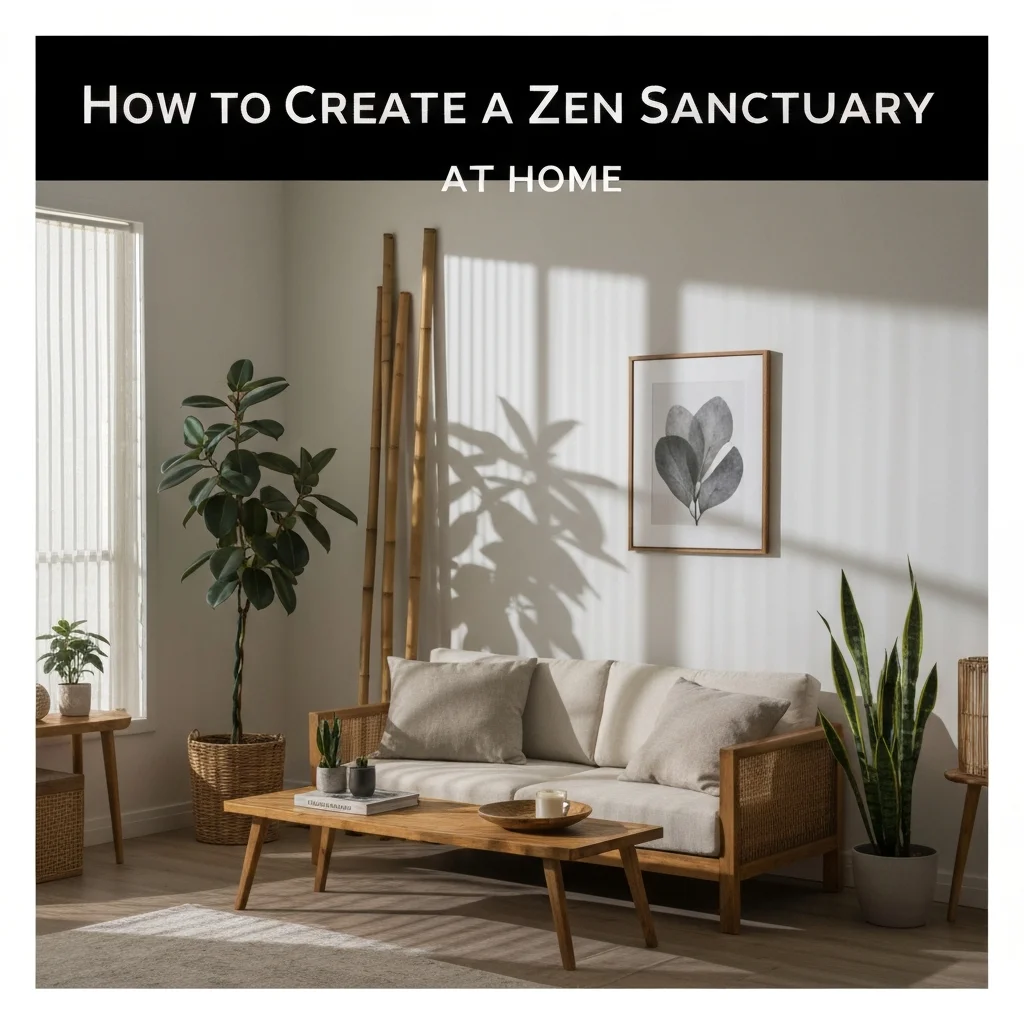
After a long, noisy day, your bedroom should be the place where your shoulders drop, your breath deepens, and your mind finally stops spinning. But for many of us, our bedrooms have become dumping grounds for laundry, clutter, and stress.
That’s exactly why learning how to create a zen sanctuary at home isn’t just a decorating trend—it’s a wellness practice. When you optimize your space for rest and mindfulness, you lower cortisol levels and improve sleep quality.
In this guide, I’ll walk you through seven actionable steps to turn your bedroom into a genuine calm-down zone. No budget? No problem. Most of these changes cost little more than a weekend and some honest decluttering.
1. Start With a Ruthless Declutter
You can’t layer zen onto chaos. The very first step in any bedroom zen design is to strip away everything that doesn’t serve relaxation.
Pull out every drawer. Clear the nightstands. Evaluate each item with a simple question: “Does this help me rest or stress?” If it’s a dead phone charger, an old receipt, or that book you started three years ago, it’s time to let it go.
Your goal is to see at least 80% of the surfaces in your bedroom. That empty space sends a signal to your brain: you are safe here, and nothing demands your attention.
2. Choose a Neutral, Soothing Color Palette
Color psychology plays a huge role in creating a zen sanctuary at home. Bright reds or bold yellows energize the mind—exactly what you don’t want before sleep.
Stick to earthy beiges, soft grays, muted greens, or dusty blues. These tones mimic nature and lower your heart rate. If you love a pop of color, keep it small—a single ceramic vase or a throw pillow in sage or clay.
- Best wall colors: Warm white, greige, soft terracotta, or slate blue.
- Best accent colors: Sand, olive, dusty rose, or ivory.
- Avoid: High-contrast patterns on large walls. Save patterns for a single rug or cushion.
3. Mindful Furniture Placement for Flow
Your furniture layout directly affects your energy. In a minimalist bedroom, every piece should have a purpose and a breath of space around it.
Position your bed so you can see the door from it—this is called the “command position” in feng shui—but not directly in line with it. Place nightstands low to the ground to keep visual weight low.
If you have a dresser, consider moving it into a closet or hallway. Less furniture equals more peace. Trust me on this one.
4. Layer Natural Textures for Warmth
Zen doesn’t mean cold or empty. The Japanese concept of wabi-sabi celebrates imperfection and natural materials. That’s where texture comes in.
Use linen or organic cotton sheets. Add a chunky knit throw. Place a seagrass or jute rug under your bed. These materials absorb sound and create a sense of grounded calm.
For calming bedroom decor, think about how each surface feels to the touch. Avoid shiny finishes or synthetic polyester. Your bedroom should feel like a nest, not a showroom.
| Material | Why It Works | Where to Use It |
|---|---|---|
| Linen | Breathable, casual, ages beautifully | Duvet covers, pillowcases |
| Bamboo | Sustainable, lightweight, natural look | Roller shades, bed tray |
| Wool | Insulating, sound-absorbent | Throw blanket, area rug |
| Stoneware | Grounding, artisanal feel | Vases, candle holders |
5. Control Light and Sound Gently
Your brain needs darkness to produce melatonin. That’s why smart window coverings are a game-changer for any zen home decor plan.
Install blackout curtains or bamboo roman shades. Layer them with sheer curtains for softness during the day. Avoid harsh overhead lighting; instead, use dimmable bedside lamps or paper lanterns that cast a soft glow.
For sound, consider a white noise machine or a small tabletop fountain. Even a simple fan works wonders. The key is to eliminate sudden noises that jolt the nervous system awake.
6. Bring Nature Inside (the Right Way)
Plants are the ultimate shortcut to serenity. A snake plant, peace lily, or pothos will thrive in low light and purify the air at the same time.
But don’t overdo it. A single plant on your nightstand or a small bonsai on a shelf is enough to establish a connection to the outdoors. Fresh flowers also work—just change the water every few days.
If you don’t have a green thumb, dried eucalyptus or pampas grass adds texture without maintenance. Nature in any form lowers blood pressure and makes your space feel alive.
7. Create a Daily Ritual of Calm
Your space is only half the equation. To truly have a zen sanctuary at home, you need habits that support it.
Every morning, make your bed as soon as you get up. This small action signals order and intention. Every evening, turn off all screens 30 minutes before sleep. Light a candle or do a 5-minute stretching pose on your mat.
Keep a small tray on your nightstand for a journal, a glass of water, and a book. That tray becomes the anchor for your wind-down ritual. Consistency turns a nice-looking room into a real sanctuary.
Frequently Asked Questions
What is a zen sanctuary?
A zen sanctuary is a space designed to promote relaxation, mindfulness, and calm. It uses minimal clutter, natural materials, soft lighting, and soothing colors to reduce stress.
Can I create a zen bedroom on a budget?
Absolutely. Decluttering costs nothing, and you can swap out pillowcases, move furniture, and add a plant for under $50. The focus is on simplicity, not spending.
What colors are best for a zen bedroom?
Soft neutral tones like beige, warm white, sage green, and dusty blue are ideal. Avoid high-contrast patterns and bright primary colors.
Do I need feng shui to make a zen bedroom?
No, but the principles of feng shui—like clear pathways and bed placement—naturally align with zen design. Borrow what works for you.
How many plants should I put in my bedroom?
One or two well-placed plants are plenty. Too many can feel messy. Choose low-light, air-purifying varieties like snake plants or pothos.
What furniture should I remove from my bedroom?
Remove any furniture that doesn’t support sleep or storage, like large dressers, workout equipment, or desks. Keep only the bed, one nightstand, and one chair at most.
Can I use a TV in my zen bedroom?
It’s best to avoid a TV in a true zen space. If you must have one, hide it inside a cabinet or use a fabric cover. Screens disrupt melatonin production.
How long does it take to transform a bedroom into a zen sanctuary?
Most people can achieve the basics in one weekend—decluttering, rearranging, and adding a few soft textures. The rest is about developing daily rituals over time.
Conclusion
Creating a zen sanctuary at home isn’t about perfection or a big renovation. It’s about making intentional choices that quiet the noise—both in your room and in your mind.
Start with one corner. Clear that nightstand. Switch that bulb to a warmer tone. The effect is cumulative. Before you know it, your bedroom will become the most restorative room in your entire home. And you’ll wonder why you didn’t do it sooner.
Sleep well.


