
How to Keep Your Tiny Home Minimalist
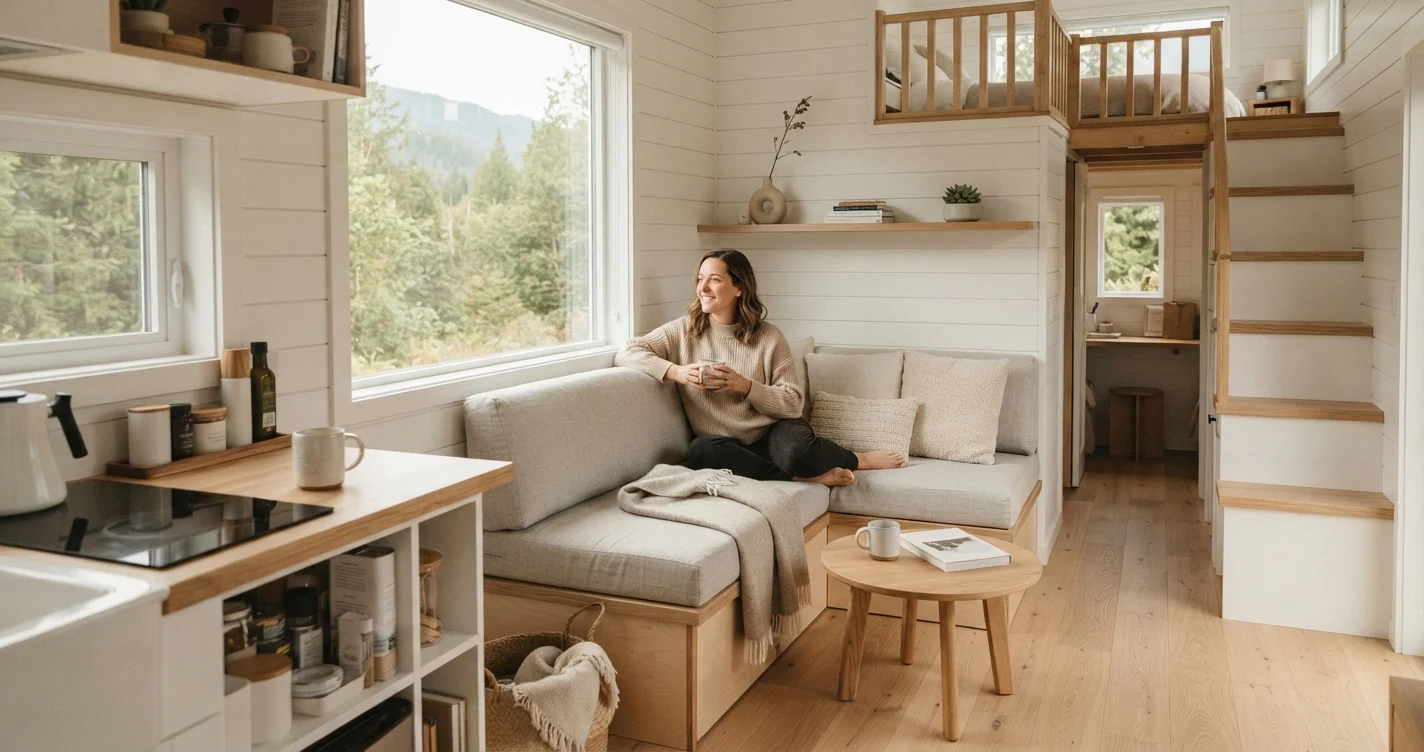
Living in a tiny home is a bold choice—one that prioritizes freedom over square footage. But without a clear strategy, these compact spaces can quickly feel cluttered and overwhelming. That’s where the tiny home minimalist approach comes in. It’s not about deprivation; it’s about designing a home that only contains what you truly need and love.
With 15 years of experience in small space solutions, I’ve seen what works and what doesn’t. This guide will walk you through practical, actionable steps to keep your tiny home streamlined, functional, and beautiful. Let’s make every square inch count.
Embrace the One-In, One-Out Rule
The quickest path to a cluttered tiny home is accumulation. In a space under 400 square feet, there is no room for “just in case” items. The one-in, one-out rule is your best friend: every time you bring something new into your home—a book, a coat, a kitchen gadget—commit to removing one existing item.
This simple habit forces you to be intentional. Ask yourself: “Is this new item worth losing something I already have?” It naturally curbs impulse buying and keeps your inventory of possessions lean. Try it for one month, and you’ll notice an immediate shift in your home’s energy.
Prioritize Vertical Storage Solutions
When floor space is limited, walls become your most valuable real estate. Think up, not out. Install floating shelves above doorways, use tall bookcases, and mount your TV instead of using a bulky stand. Magnetic strips for knives and metal spice jars can turn a backsplash into storage.
Vertical storage keeps surfaces clear and creates visual breathing room. It also draws the eye upward, making your tiny home feel taller and more spacious. For a cohesive look, use baskets or matching containers on open shelves to disguise clutter.
Choose Furniture with Dual Purposes
In a minimalist interior design plan for a tiny home, every piece of furniture must earn its keep. A sofa that doubles as a guest bed, a coffee table with hidden storage, or an ottoman that opens to hold blankets—these are not luxuries, they are essentials.
When shopping, look for pieces that serve at least two functions. A dining table can become a desk. A bench by the door can offer seating and shoe storage. The goal is to reduce the total number of items while maximizing utility.
| Furniture Piece | Primary Function | Secondary Function |
|---|---|---|
| Murphy Bed | Sleeping | Folds into wall, freeing floor space |
| Storage Ottoman | Seating | Hides blankets, books, or games |
| Expandable Dining Table | Dining for 2 | Opens to seat 4-6 guests |
Remember: multitasking furniture is an investment. Spend a little more on quality pieces that will last, because you won’t have room for replacements.
Create Visual Continuity with a Neutral Palette
Color has a powerful effect on how spacious a room feels. A consistent, neutral color scheme—think whites, warm grays, and soft beiges—allows the eye to travel without interruption. This visual continuity makes a tiny home feel larger and more calm.
You can introduce texture and warmth through natural materials like wood, linen, or cotton. A single bold accent pillow or a piece of wall art is enough to add personality without breaking the minimalist spell. Keep your patterns simple and your finishes matte for a serene backdrop.
Declutter Regularly and Ruthlessly
Decluttering is not a one-time event; it is a lifestyle. For tiny house organization to stick, you need a recurring habit. Set a timer for 15 minutes every Sunday and tackle one zone: the junk drawer, the closet shelf, the bathroom cabinet.
If you haven’t used something in the last 90 days, seriously consider letting it go. Here are a few concrete decluttering tips for tiny home dwellers:
- Digital detox: Scan and discard paper documents. Store photos in the cloud.
- Kitchen edit: Keep only one of each tool. Do you really need a garlic press AND a garlic chopper?
- Closet audit: Follow the “hanger trick”—turn all hangers backward. After 6 months, donate items on hangers still facing backward.
- Gift rule: For every new gift received, donate an item of similar size.
These small, consistent actions prevent clutter from creeping back. Your tiny home will always feel like a sanctuary, not a storage unit.
Use Hidden Storage in Unexpected Places
In a tiny home, storage opportunities hide in plain sight. The space under your stairs can become pull-out drawers. The gap between your refrigerator and the wall can hold a narrow rolling cart. Even the inside of cabinet doors can hold spice racks or cleaning supplies.
Consider installing a toe-kick drawer at the base of your kitchen cabinets for baking sheets or pet bowls. Use the back of your bathroom door for a slim organizer. These small-space solutions add up to significant square footage you didn’t know you had.
The key is to think of every void as a potential drawer. Customizing a tiny home for storage often means using off-the-shelf solutions in creative ways. A tension rod inside a cabinet works perfectly for holding spray bottles.
FAQs About Tiny Home Minimalist Living
1. Is it hard to live with a partner in a tiny house?
It requires compromise and clear systems. Each person should have a designated “own zone” for personal items. Emphasize shared activities like cooking or reading to reduce duplicate possessions.
2. How many pairs of shoes should I own in a tiny home?
A good rule of thumb is 6–8 pairs total per person: everyday, work, athletic, and one dress pair, plus boots. Store them in a slim shoe rack near the entrance.
3. Can I have pets in a minimalist tiny home?
Absolutely. Choose a minimalist cat tree that blends with decor, and store pet toys in a single basket. A collapsible food bowl saves counter space.
4. What if I receive gifts I don’t have room for?
Politely thank the giver, then honestly evaluate the item. If it doesn’t serve you, donate it immediately. A photo of the gift from you to them often holds more sentimental value.
5. How do I keep a minimalist look while cooking?
Use a kitchen cart with doors to hide small appliances. Store spices in uniform jars on a magnet bar. Wipe down countertops immediately after cooking.
6. Should I buy cheap or expensive furniture?
Since you own fewer pieces, invest in quality. A well-made sofa or dining table will survive moves and daily use. Cheap items break faster and must be replaced, which creates waste.
7. What is the biggest mistake people make with small space solutions?
Buying too much “storage furniture.” More bins and shelves often just hold more clutter. Edit down your belongings first, then buy storage second.
8. Can I have plants in a minimalist tiny home?
Yes, and you should! Plants improve air quality and mood. Stick to 3–5 well-placed plants, like a snake plant in the corner or a pothos on a high shelf.
Conclusion
Keeping your tiny home minimalist is a journey, not a destination. It’s about making conscious choices every day to prioritize space, function, and peace over accumulation. From vertical storage to the one-in-one-out rule, these small space solutions empower you to live big in a small footprint.
Remember: a minimalist tiny home gives you more time and money for what truly matters—experiences, relationships, and freedom. Start with one tip from this guide today. Your future self will thank you for the breathing room.


