
Small Space Storage Ideas
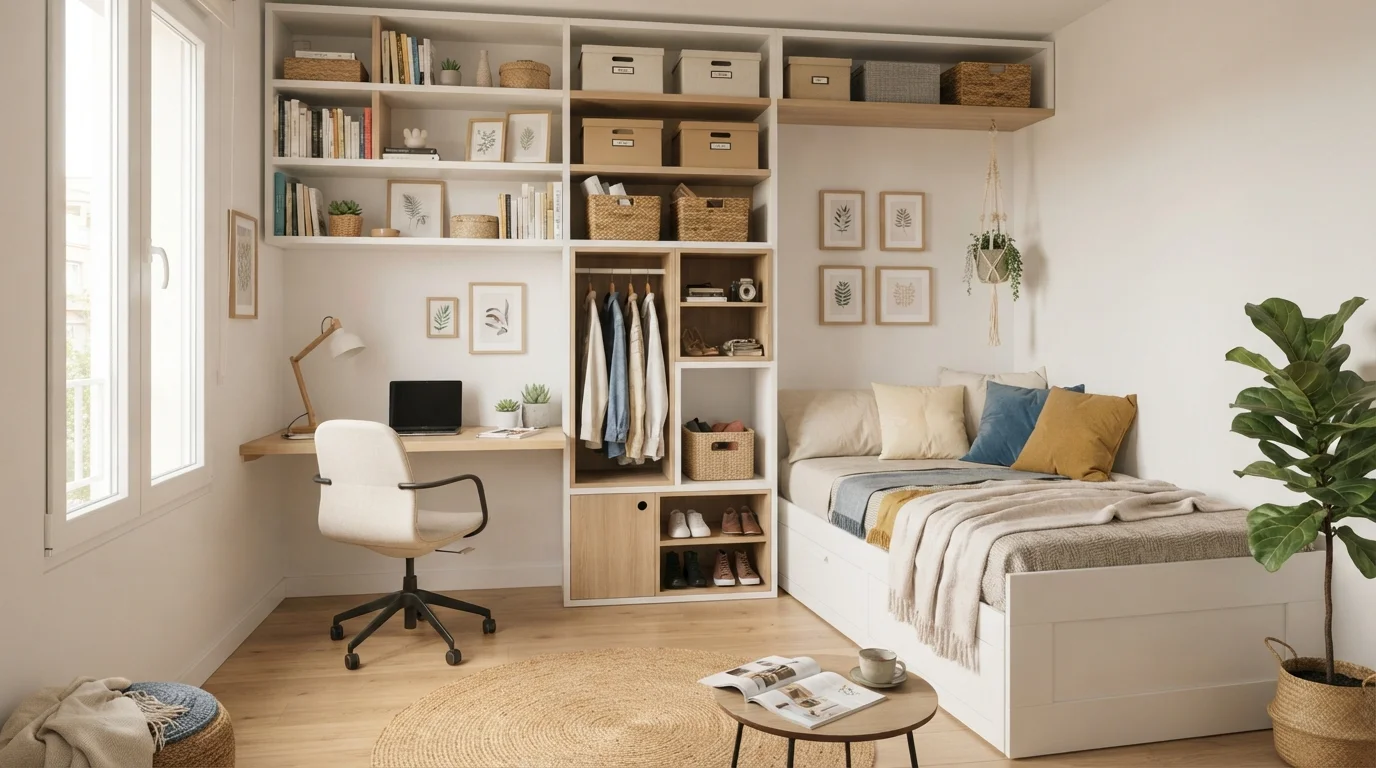
Living in a small home doesn’t mean you have to live with clutter. With the right small space storage ideas, you can turn every nook and cranny into a functional, organized area. Whether you’re in a studio apartment, a tiny house, or just a cozy room, these strategies will help you breathe easier and find everything you need.
The secret is to think vertically, use multipurpose pieces, and embrace hidden storage. Below, we break down the most effective solutions backed by real-world examples and expert design principles. Let’s dive in.
1. Go Vertical: Maximize Your Wall Space
When floor space is limited, your walls become prime real estate. Vertical storage solutions are a game-changer for tiny home organization. Install floating shelves above doorways, along narrow hallways, or in unused corners.
I love using modular shelving systems that you can adjust as your needs change. For instance, in a kitchen, mount a magnetic knife strip on the wall instead of using counter space. In a bedroom, hang a pegboard for jewelry, scarves, and hats.
Don’t forget the back of doors. Over-the-door shoe racks work wonders for cleaning supplies, spices, or even toiletries. Every square foot counts.
2. Invest in Multipurpose Furniture
Multipurpose furniture for small spaces is your best friend. Think ottomans with storage inside, beds with built-in drawers, or coffee tables that lift up to reveal a compartment. These pieces pull double duty without sacrificing style.
For a living room, choose a sofa that converts into a guest bed with storage underneath for extra blankets. In a dining area, consider a drop-leaf table that folds down when not in use. I’ve seen clients use a bench with a hinged seat to store shoes and bags by the entryway.
The rule of thumb: every piece of furniture should serve at least two purposes.
3. Embrace Hidden Storage Zones
Creative decluttering tips for small apartments often involve hiding items in plain sight. Use the space under your bed for low-profile bins or vacuum-sealed bags for off-season clothes. Stairs can become drawers or pull-out cabinets.
In bathrooms, install a recessed medicine cabinet or a mirrored cabinet that extends storage behind the door. For kitchens, use a lazy Susan in corner cabinets or a tiered shelf for canned goods.
Here’s a quick list of hidden storage spots you might be overlooking:
- Under the sofa (long, flat bins for magazines or cables)
- Inside hollow furniture legs (great for small valuables)
- Behind a headboard (shelves for books or glasses)
- Under a window seat (custom storage boxes)
4. Use Zones to Define Your Space
In an open-plan tiny home, creating distinct zones helps with organization. Use rugs, room dividers, or shelving units to separate sleeping, working, and living areas. Each zone should have its own dedicated storage.
For example, a tall bookcase can act as a divider between the living room and home office. On the office side, store files and supplies; on the living side, display books and decor. This doubles your storage without adding square footage.
Labeling bins or baskets in each zone makes it easy to find things quickly and maintain order.
5. The Power of Hooks and Rails
Hooks and rails are inexpensive yet incredibly effective. Install a peg rail along a hallway for coats, bags, and keys. In the kitchen, use a pot rack to hang cookware from the ceiling. A towel bar on the back of a bathroom door creates instant drying space.
For a small space entryway, a wall-mounted hook strip with a small shelf above gives you a drop zone for mail, sunglasses, and daily essentials. This prevents pile-up on counters and tables.
Think about vertical and horizontal hooks—you’d be surprised how much weight they can hold without damaging walls if you use the right anchors.
6. Tame Visual Clutter with Consistent Containers
Sometimes the biggest problem isn’t lack of space—it’s visual chaos. Matching baskets, bins, and boxes create a sense of calm and order. Use them on open shelves, under tables, or inside cabinets.
For a closet, use uniform hangers and fabric bins for sweaters or accessories. In a pantry, clear containers keep dry goods visible and stackable. This approach is part of effective decluttering tips for small apartments because it reduces the mental load of searching.
Below is a simple comparison of container types for different areas:
| Area | Container Type | Best For |
|---|---|---|
| Living room | Woven baskets | Blankets, magazines, remotes |
| Kitchen | Clear plastic bins | Snacks, spices, pantry staples |
| Bedroom | Fabric storage cubes | Sweaters, scarves, hats |
| Bathroom | Acrylic drawers | Cosmetics, hair tools, first aid |
Frequently Asked Questions
Q1: What are the best small space storage ideas for a studio apartment?
Focus on vertical shelving, a platform bed with drawers, and a folding desk that doubles as a dining table. Use room dividers with shelves to separate zones.
Q2: How can I organize a tiny closet?
Use slim velvet hangers to save space, add a second hanging rod for shorter items, and install shelf risers to double storage height. Shoe organizers on the door also help.
Q3: Is vertical storage worth it?
Absolutely. Vertical storage is the most efficient way to use unused wall space. It frees up floor area and keeps items accessible without cluttering surfaces.
Q4: What is the best multipurpose furniture for a small bedroom?
A bed with built-in drawers or a lofted bed with a desk underneath is ideal. Also, a nightstand with a shelf and a drawer adds hidden storage for books or electronics.
Q5: How do I declutter before implementing storage solutions?
Start by sorting items into keep, donate, and toss piles. Be ruthless: if you haven’t used something in six months, let it go. Then measure your space before buying storage products.
Q6: Can I use a pegboard in a rented apartment?
Yes! Use removable adhesive hooks or command strips for lightweight items. For heavier loads, use a pegboard on a freestanding frame that doesn’t require drilling.
Q7: What color scheme makes a small space feel larger?
Light colors like white, soft gray, and pale beige reflect light and make rooms feel airy. Use mirrors opposite windows to bounce natural light around the space.
Q8: How do I store seasonal items in a small home?
Use vacuum-sealed bags for bulky clothing and bedding. Store bins under the bed or on high shelves. Rotate items seasonally so only current items are easily accessible.
Conclusion
Implementing small space storage ideas is about being intentional with every inch. You don’t need a bigger home—you need smarter systems. Start with one area, like the entryway or closet, and test a solution before scaling up.
Remember, vertical storage solutions and multipurpose furniture for small spaces are your core tools. Combine them with consistent containers and hidden zones, and you’ll unlock a more spacious, peaceful living environment.
Ready to transform your tiny home? Pick two ideas from this guide and try them this weekend. Your future self will thank you.


