
The Best Ways to Organize Small Shelves
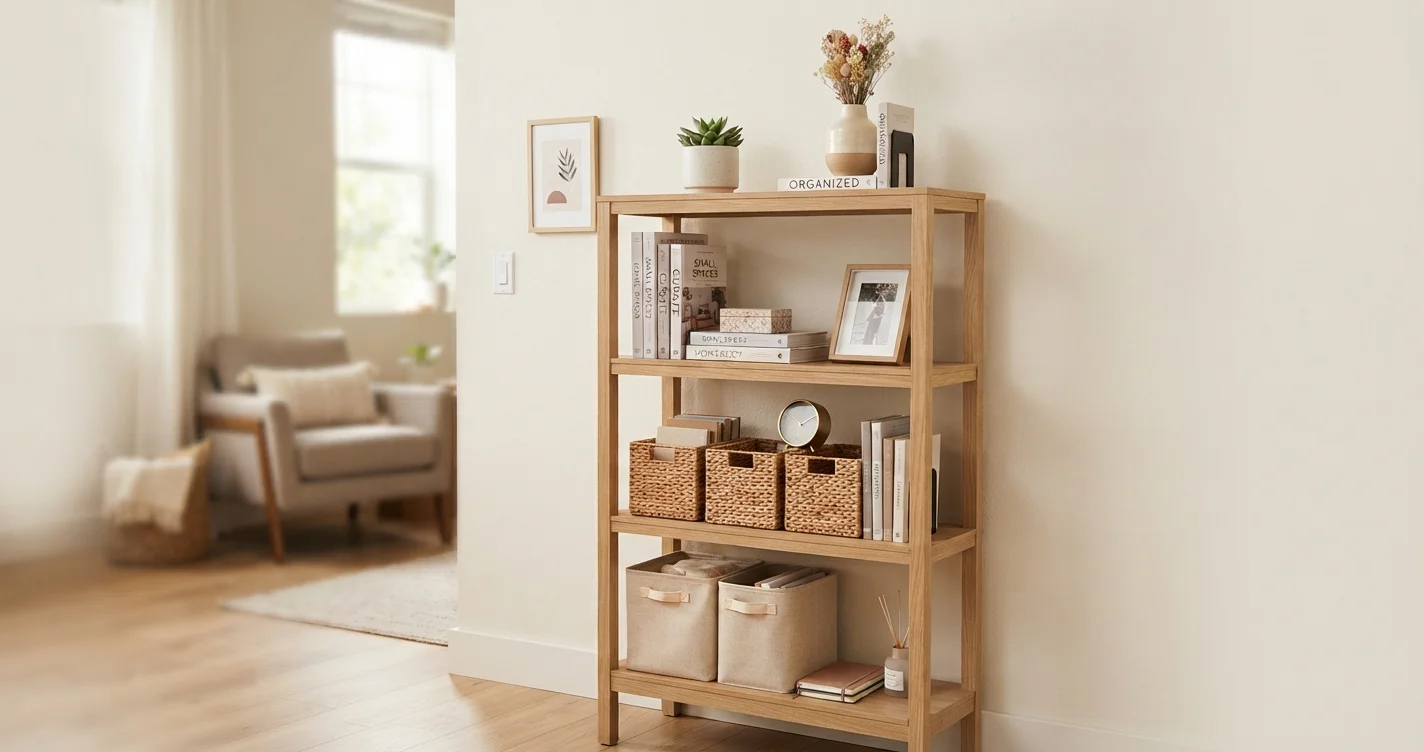
Small shelves can feel like a puzzle. You want to display your favorite items, but space is tight. The result? A cluttered mess that stresses you out every time you walk past it. I’ve been there, and I’ve helped hundreds of homeowners turn those tiny ledges into functional focal points.
The secret to learning how to organize small shelves isn’t about cramming more stuff in. It’s about choosing wisely, stacking vertically, and using every millimeter with intention. Let’s dive into the best strategies that combine storage savvy with killer style.
Declutter First, Organize Second
You cannot organize clutter. I repeat: you cannot organize clutter. Before you touch a single shelf, pull everything off and sort it into three piles: keep, donate, and trash.
Be ruthless. If you haven’t used that tiny vase in two years, it’s gone. Keep only items that serve a purpose or spark genuine joy. This single step makes every other organization trick ten times more effective.
For small shelves, less truly is more. A curated collection looks intentional; a crowded mess looks chaotic. Aim to keep only about 70% of the shelf surface visible.
Use Vertical Space with Stackable Risers
Small shelves often have wasted vertical space. You put items flat on the shelf, but what about the air above them? That’s prime real estate.
Invest in stackable shelf risers or tiered organizers. These create mini-levels inside your shelf. Use them for spices in the kitchen, toiletries in the bathroom, or small plants on a bookshelf.
- Kitchen: A two-tier riser lets you see all spice jars at once.
- Bathroom: Stack risers for skincare bottles and cotton jars.
- Office: Use a tiered tray for paperclips, sticky notes, and pens.
Risers double your usable space without making the shelf look messy. They also create visual interest through different heights.
The Rule of Three for Styling
When arranging items on small shelves, follow the Rule of Three. Group objects in odd numbers—three, five, or seven. Odd groupings naturally catch the eye and feel balanced.
Now, vary the heights. Place a tall book next to a short candle, then a medium plant. This staggered look prevents the shelf from feeling flat or monotonous.
Quick Styling Formula
For any small shelf, use this formula: one tall item + one medium item + one short item. Add a small textural element like a coaster or a dried flower. That’s it. Repeat across the shelf with different color palettes.
This approach works beautifully for small shelf organization ideas in living rooms and entryways. It keeps things tidy but still personal.
Use Clear Containers and Label Everything
When you’re working with small shelves, every item needs a home. And you need to find that home fast. Clear acrylic containers are your best friend.
Use them for pantry snacks, office supplies, or bathroom cotton rounds. The transparency lets you see exactly what you have without digging. Add a small label on each container for extra clarity.
Labeling isn’t just for the super organized. It creates a visual cue that says “this spot is taken.” That stops family members or roommates from shoving random stuff back into the shelf.
For a cohesive look, stick to one container style. All-white or all-clear bins create a uniform, calm appearance even when the shelves are full.
Incorporate Hooks and Magnetic Strips
Small shelves usually have unused sides or bottoms. That’s where hooks and magnetic strips shine. Attach small hooks under a shelf to hang mugs, keys, or jewelry.
In the kitchen, install a slim magnetic strip on the side of a cabinet shelf to hold spice tins or small knives. In the office, a strip can keep paperclips and scissors off your desk surface.
These additions take zero shelf footprint but add massive utility. They’re perfect for small space storage solutions when floor space is nonexistent.
Remember to measure before installing. You want the items to hang freely without hitting the shelf below.
Group by Function and Color
This tip works for both visual appeal and practicality. Group similar items together by function—all cooking utensils on one shelf, all books on another. Then within that group, arrange by color or size.
Maximizing shelf space becomes easier when items are logically grouped. You can use bookends to prevent books from sliding, and small bins to corral loose items like remote controls or charging cables.
Color coding is especially powerful for small shelves. A rainbow arrangement of books or mugs creates an intentional design element. It transforms a functional storage spot into a piece of art.
Combine this with the Rule of Three, and your small shelf will look like something from a magazine.
Compare: Open vs. Closed Small Shelves
Choosing between open and closed shelving affects how you organize. Here’s a quick comparison to help you decide:
| Feature | Open Shelves | Closed Shelves (Cabinets) |
|---|---|---|
| Visual accessibility | Everything visible at a glance | Items hidden behind doors |
| Dust management | More dusting required | Less dust accumulation |
| Clutter tolerance | Needs constant styling | Can hide clutter easily |
| Best for | Display pieces, daily items | Backstock, rarely used items |
Use open shelves for beautiful, functional items you use daily. Use closed shelves or baskets for items you want out of sight. This hybrid approach is one of the best shelf styling tips for busy homes.
Frequently Asked Questions
How do I organize very narrow small shelves?
Use narrow bins that fit exactly. Roll items instead of stacking them. Magnetic strips on the side also help. Avoid bulky items that overhang.
What items should I never put on small shelves?
Avoid oversized books, thick vases, or heavy appliances. These make the shelf look cramped and can even cause sagging. Stick to items that fit within the depth.
How can I make small shelves look decorative?
Add a small piece of art leaning against the back. Use a neutral color palette. Layer items in front and back. A single trailing plant adds life and softness.
Can I use baskets on small shelves?
Yes, but keep them small and uniform. Woven baskets work well for hiding cables or snacks. Just don’t fill them so full that they bulge out.
How often should I reorganize small shelves?
Seasonally or whenever you feel clutter creeping back. A quick 15-minute reset every month keeps things fresh. Remove anything that no longer serves you.
What’s the best way to organize small kitchen shelves?
Use risers for spices, hooks for mugs below the shelf, and clear bins for packets. Keep oils and frequently used items at eye level. Store backups on higher shelves.
Are floating shelves good for small spaces?
Absolutely. They create storage without taking floor space. But keep the weight light—use them for decor, plants, or lightweight books rather than heavy stacks.
Conclusion
Learning to organize small shelves is a skill that transforms your home. It turns frustration into function and chaos into calm. Start by decluttering, then use risers, containers, and hooks to maximize every inch.
Remember the Rule of Three for styling, and group items by function or color. Whether your shelves are open or closed, the key is intentionality. Every item earns its spot.
Now it’s your turn. Pick one small shelf in your home today. Clear it off, apply these strategies, and enjoy the sense of order that follows. Your space—and your mind—will thank you.


