
The Best Ways to Use Under-Bed Storage
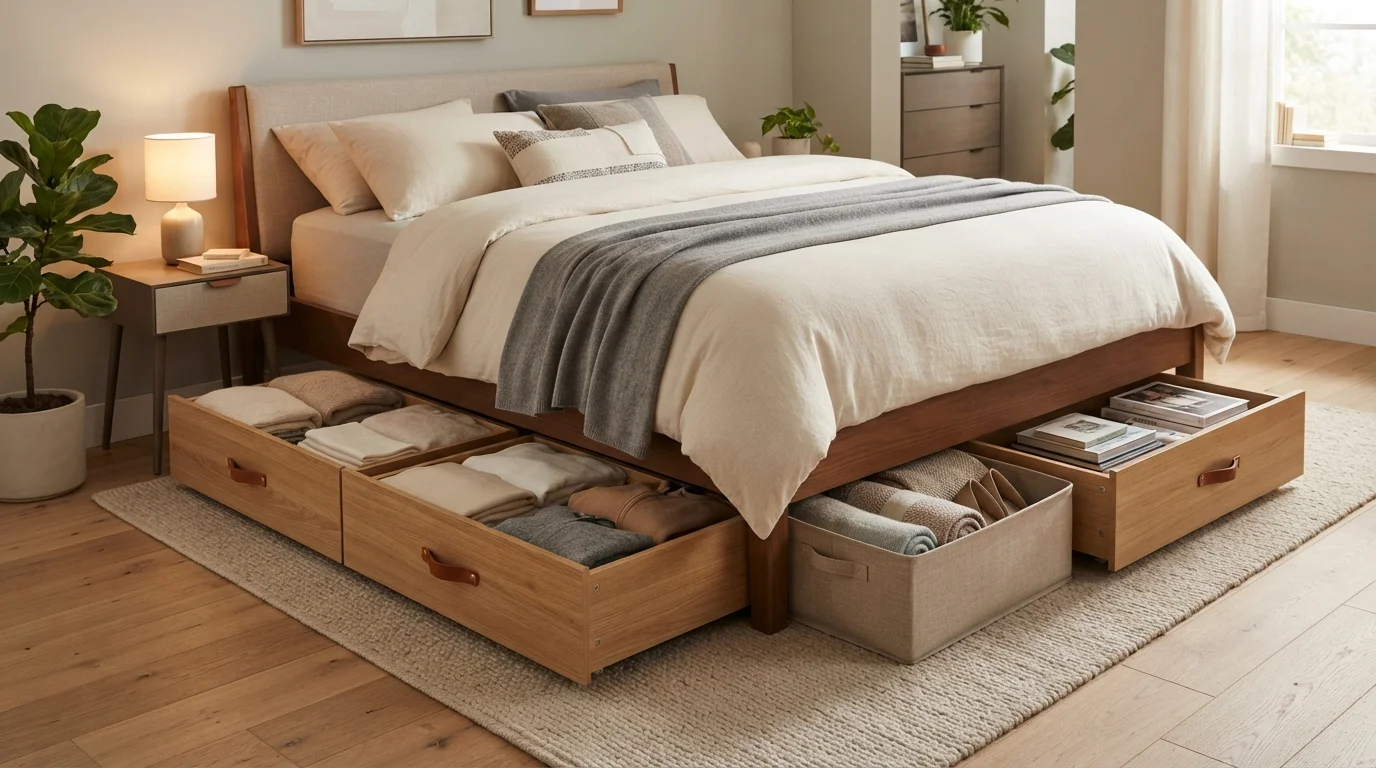
If you live in a small apartment or have a cramped bedroom, you know the struggle of finding enough storage space. Every square inch counts, and the area under your bed is often the most overlooked real estate in the home.
Using under-bed storage effectively can transform a cluttered mess into a tidy, organized sanctuary. It is not about just shoving boxes out of sight. It is about strategic, accessible, and even stylish solutions.
This guide walks you through the best ways to use this space, considering different bed heights, item types, and aesthetic preferences. We focus on small bedroom storage that works in real life.
Why Under-Bed Storage Is a Game Changer for Small Spaces
The gap between your bed frame and the floor is pure, unused potential. In small bedrooms, this area often represents 10 to 15 square feet of hidden square footage. That is the size of a decent closet.
Using this spot for under bed organization frees up valuable real estate in closets and drawers. You can store bulky seasonal items like blankets and heavy sweaters there, keeping everyday essentials within easy reach.
Plus, storing items under the bed helps with dust control. When you use proper containers, you seal out dust mites and allergens, making the space cleaner than a random pile of boxes.
Measure Your Bed Height Before You Buy Anything
This is the most critical step. Not all beds offer the same clearance. You need to know your exact height to buy containers that slide in smoothly.
Grab a tape measure and check the distance from the floor to the bottom of your bed frame. Here is a quick guide to what works:
| Bed Height (Floor to Frame) | Best Storage Options | Container Height Limit |
|---|---|---|
| 6 to 8 inches (Low Profile) | Flat vacuum bags, thin rolling trays, flat bins | Up to 5 inches |
| 10 to 14 inches (Standard) | Medium-depth bins, zippered bags, rolling drawers | Up to 9 inches |
| 15 inches+ (High Profile) | Tall rolling bins, stacked boxes, large cube organizers | Up to 12 inches |
Pro tip: Always subtract 1-2 inches from your height limit for wheels or handles, so the containers slide out without scraping.
Use Rolling Bins for Effortless Access
Nothing kills an organization system faster than awkward access. If you have to get on your hands and knees every time you need a sweater, you will stop using the system.
Invest in under-bed storage bins with wheels. These plastic or fabric containers glide on casters, letting you pull out the entire bin with your toe. Look for models with sturdy handles and transparent lids.
I recommend the clear plastic rolling bins. You can see what is inside without opening the lid, which saves time during morning rushes. They are perfect for storing off-season shoes, extra linens, or craft supplies.
Go Vertical with Stackable Shoe Racks
If you have tall clearance, do not just lay shoes flat. That wastes vertical airspace. Instead, use stackable shoe racks designed for under-bed use.
These racks often have angled shelves that keep shoes visible and organized. You can slide one section under the bed and pull it out to grab a pair of sneakers. It keeps your small bedroom storage system efficient.
Another tip: store shoes in clear plastic shoe boxes with magnetic closures. They stack neatly, protect your footwear from dust, and make finding a specific pair a breeze.
Vacuum Storage Bags for Bulky Items
Winter comforters, fluffy jackets, and extra pillows take up massive amounts of space. They are the enemy of any organized closet. The solution is vacuum compression.
Vacuum storage bags reduce the volume of fabric items by up to 80%. You simply stuff the item in the bag, seal it, and suck the air out with a regular vacuum hose. The resulting flat pouch slides perfectly into under-bed drawers.
This is a classic bedroom decluttering tip. Just remember to store only clean, dry items in these bags. Moisture can cause mildew if you seal in damp fabric.
Create a Custom “Donation Station”
Most people struggle with clothes they no longer wear. Keep a dedicated rolling bin under your bed labeled “Donate.” As you try on outfits and find pieces that do not fit or suit your style, toss them in.
When the bin is full, you have a ready-to-go donation run. This system keeps your active closet lean and makes maximizing closet space much easier.
Do the same for books, old electronics, and toys. A designated “exit box” prevents clutter from accumulating in corners or on top of dressers.
Avoid These Common Under-Bed Mistakes
Even good intentions can lead to a frustrating mess. Here are a few pitfalls to skip for successful under bed organization:
- Using cardboard boxes. They attract bugs, get crushed, and turn into dust magnets. Always use plastic, fabric, or solid bins.
- Overfilling bins. If a bin is too heavy to slide, you will never move it. Keep each bin under 15 pounds.
- Forgetting about humidity. If you live in a damp climate, use moisture-absorbing packets inside sealed bins to prevent mold.
- Ignoring the floor. Sweep and vacuum the area under your bed regularly. Dirty floors under bins lead to musty smells.
Label Everything Like a Professional Organizer
You might think you will remember what is in each bin. You will not. Three months later, you will be pulling out three different bins to find a single scarf.
Use a label maker or simple chalkboard stickers for each container. Write the category clearly: “King Sheets,” “Winter Scarves,” “Camping Gear.”
For an aesthetic touch, pick bins in a neutral color palette like white or light gray. This makes the under-bed zone look intentional rather than like a chaotic storage dump.
Frequently Asked Questions About Under-Bed Storage
Is it safe to store things under the bed for a long time?
Yes, as long as the items are clean and dry. Use breathable fabric bins for natural fibers like wool and cotton, and plastic bins for synthetic items. Do not store food or fragile electronics there.
How do I prevent dust from accumulating on the bins?
Wipe down the bins with a damp cloth every time you vacuum your bedroom. Using a bed skirt that touches the floor also hides the bins and blocks dust ingress.
Can I use under-bed storage on a platform bed with no legs?
If the bed sits directly on the floor, you have no clearance. In that case, consider a bed riser kit. These lift the bed 4 to 6 inches high, creating just enough space for flat vacuum bags or low-profile bins.
What is the best way to store seasonal clothing under the bed?
Use clear, zippered fabric bags for sweaters and jeans. For bulky winter coats, use vacuum compression bags. Label each bag with the season and size.
How do I access items if my bed frame is very low?
Look for “ultra-low profile” bins that are only 3 to 5 inches tall. You can also use velcro-attached fabric pouches that hang from the bed slats. This uses vertical space without needing height for a bin.
Should I store shoes under the bed?
Absolutely, but only clean shoes. Use a dedicated shoe organizer with clear pockets or a flat, divided bin. Avoid stacking loose shoes because they will get deformed and dusty.
Can under-bed storage help with closet overflow?
Yes, it is a primary tool for maximizing closet space. Store out-of-season clothes and extra bedding under the bed, so your closet holds only current wardrobe pieces.
Conclusion
Under-bed storage is not just a hack for tiny apartments. It is a smart, intentional strategy for any home that values order over clutter. By measuring your space, choosing the right containers, and sticking to a labeling system, you unlock square footage you never knew you had.
Start with one category—like off-season shoes or spare linens—and watch how much easier your mornings become. With these tips, your bedroom will feel bigger, cleaner, and far more peaceful.
Now, go measure that gap and reclaim your space.


