
How to Keep Your Small Space Fresh
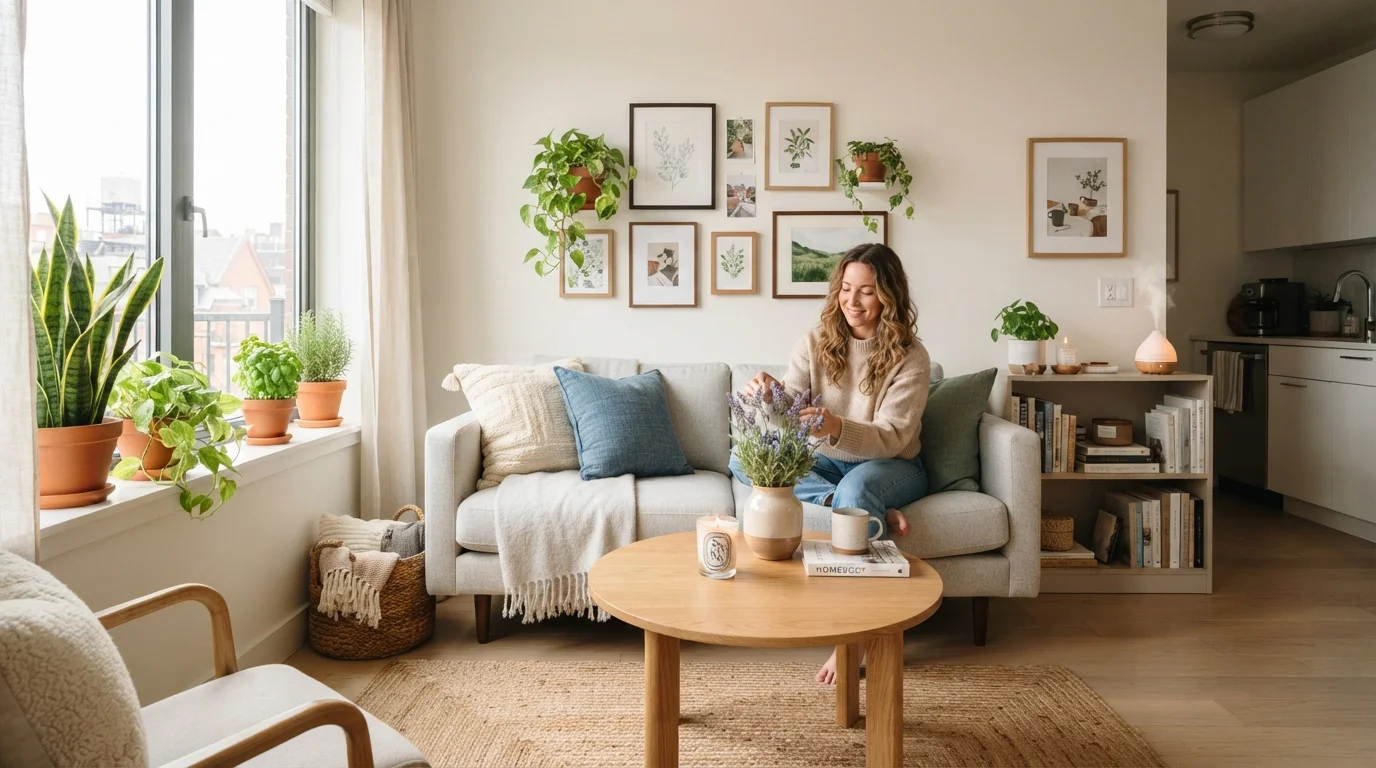
Living in a compact home is a wonderful challenge. You maximize every inch, you stay creative, and you save money. But there is one thing that can make a tiny apartment feel truly oppressive: staleness. Stale air, visual clutter, and a lack of energy can make even the most stylish small room feel cramped. Keeping your small space fresh is not just about lighting a candle. It requires a system—a mix of smart ventilation, strategic decor, and mindful habits.
In this guide, I will share expert strategies to help you prevent that cramped, musty feeling. Whether you live in a studio, a micro-apartment, or a cozy bedroom, these tips will make your home feel larger, cleaner, and more inviting.
Why Small Spaces Get Stale So Quickly
The physics of a small space works against you. Less square footage means less air volume. Air exchange is slower, especially if you have few windows. Every smell from cooking, pets, or shoes lingers longer. Without circulation, humidity builds up, which can lead to a musty odor.
It is not just air. Visual clutter also makes a room feel “stale.” When you walk into a room and see too many things on every surface, your brain perceives it as chaotic. A truly fresh small space needs both clean air and a clean line of sight.
Smart Ventilation: The Foundation of a Fresh Apartment
Open your windows for at least 15 minutes every morning, even if it is cold outside. This “air flush” pushes out carbon dioxide and brings in oxygen. If you have only one window, place a box fan facing outward. This creates negative pressure that pulls fresh air in through the door crack.
Use cross-ventilation by opening a window and a door opposite it. If your layout doesn’t allow this, consider a small air purifier with a HEPA filter. It makes a massive difference for small apartment air quality, especially in bedrooms where you sleep.
Strategic Decluttering to Keep Your Small Room Fresh
Clutter traps dust and blocks light, making a room feel smaller and stuffier. Implement a “one-in, one-out” rule: for every new item you bring in, remove an old one. Pay special attention to horizontal surfaces—your coffee table, kitchen counter, and desk. These surfaces should be at least 80% clear.
- Store bulky off-season clothes under the bed in vacuum bags.
- Use baskets or decorative boxes for remote controls, charging cables, and mail.
- Keep your kitchen counters clear of appliances you use less than once a week.
- Remove everything from a surface, wipe it down, and only put back the essentials.
Weekly dusting and vacuuming are non-negotiable. A small robot vacuum can be a lifesaver for keeping pet dander and dust bunnies under control, which directly helps keep a small room from smelling stale.
Lighting: The Secret to an Airy, Fresh Vibe
Dark spaces feel stale. To brighten a small room naturally, remove heavy curtains and swap them for sheer white linen or bamboo blinds. If you cannot change the window treatment, use mirrors. Place a large mirror directly across from a window—it doubles the natural light and makes the room feel twice as wide.
For artificial light, avoid single overhead lights. Use layered lighting: a floor lamp in the corner, a small table lamp, and maybe LED strip lights under the cabinet. Warm white bulbs (2700K-3000K) create a cozy, clean atmosphere. Avoid blue-tinted “daylight” bulbs in small spaces—they feel cold and clinical.
Best Plants for Small Room Freshness
Plants are nature’s air purifiers. But in a small space, you need species that are low-maintenance and actually beneficial. Spider plants, snake plants, and pothos are excellent choices. They remove toxins like formaldehyde and benzene, which are common in small apartments with little ventilation.
| Plant | Light Need | Air Benefit | Space Fit |
|---|---|---|---|
| Snake Plant | Low to bright | Produces oxygen at night | Floor or shelf |
| Spider Plant | Medium indirect | Removes VOCs | Hanging pot, shelf |
| Pothos | Low to medium | Filters formaldehyde | Trailing on shelves |
| Peace Lily | Low to medium | Removes mold spores | Small round table |
Do not overcrowd your space with plants. One or two well-placed specimens are enough. Keep the soil dry between waterings to avoid mold growth, which can ruin the fresh smell of your home.
Materials and Fabrics That Breathe
Synthetic fabrics trap odors and dust. Choose natural fibers for your upholstery, rugs, and bedding. Cotton, linen, and wool allow air to circulate and do not hold onto smells as much as polyester or acrylic. A 100% cotton duvet cover and pillowcases make a surprising difference in how fresh your bedroom feels.
Replace synthetic rugs with a wool or jute rug. They are naturally antimicrobial and do not emit VOCs. For your sofa, consider slipcovers in linen that you can wash every two weeks. This simple step prevents that “old couch” smell from taking over your living room.
Routine Habits for a Consistently Fresh Space
Freshness is a habit, not a one-time project. Make your bed every morning—it instantly makes the room look cleaner. Never leave damp towels on the floor; hang them in the bathroom or over a rack. Open the bathroom door after a shower to let steam escape into the larger room rather than staying trapped.
Keep a small spray bottle with water and a few drops of lemon essential oil. Give a quick mist to your curtains and couch every few days. It lightens the air without overwhelming it with synthetic fragrance. Avoid heavy plug-in air fresheners—they often contain phthalates that can cling to walls and make the air feel heavy.
Frequently Asked Questions
How often should I open the windows in a small apartment?
At least 15 to 20 minutes every morning, rain or shine. This is the most effective way to refresh stale indoor air.
What is the best air purifier for a small room?
Look for one with a true HEPA filter and a low noise level. Models like the Coway Airmega or Levoit Core series are compact and effective for spaces under 400 square feet.
Can I use candles to keep my small room smelling fresh?
Yes, but choose natural beeswax or soy candles with essential oils. Scented paraffin candles can release soot that attaches to walls and makes the room feel dirty over time.
How do I prevent my closet from smelling musty?
Place a small bowl of baking soda or a charcoal bag inside. Also, leave the closet door slightly open during the day to allow airflow.
What color should I paint my small room to make it feel fresher?
Light, neutral colors with a slight blue or green undertone work best. Colors like “Swiss Coffee,” “November Rain,” or “Sea Salt” create an airy, clean backdrop.
Is a dehumidifier necessary for a small space?
If you live in a humid climate or your bathroom has no window, yes. A small dehumidifier prevents mold growth and that sticky, heavy feeling in the air.
How often should I deep clean a small space?
Declutter weekly, do a full surface wipe-down every two weeks, and deep clean (including baseboards and vents) once a month. This routine keeps the environment truly fresh.
Conclusion
Keeping your small space fresh is 50% science and 50% daily practice. Focus on airflow, light, and the intentional reduction of clutter. Invest in natural materials, a good air purifier, and a few air-cleaning plants. More importantly, build small habits: open windows, make your bed, wipe down surfaces regularly.
A fresh home feels larger, cleaner, and more peaceful. You do not need a bigger house—you just need a smarter, more breathable one. Implement these strategies, and your small space will feel like a sanctuary, not a box.


