
Creative Ways to Use Bedroom Lighting
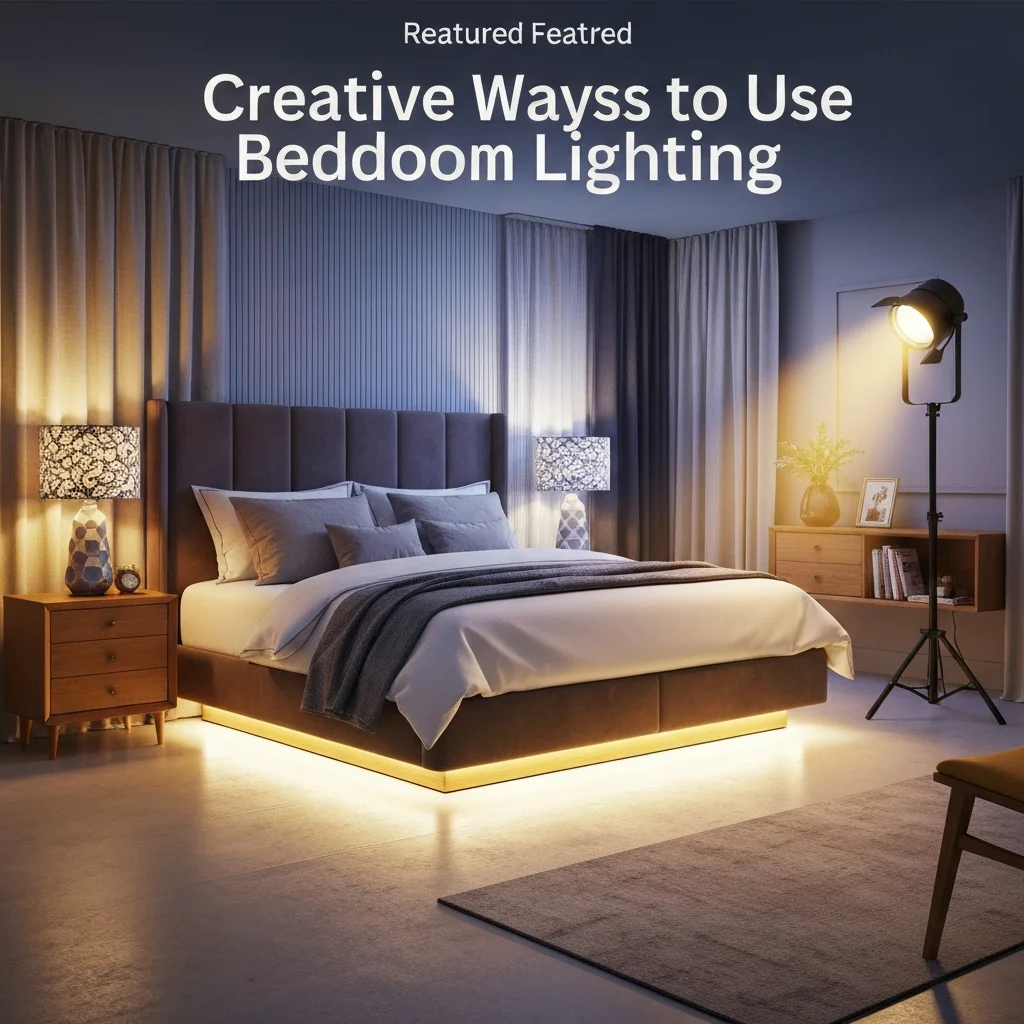
Lighting can make or break a bedroom. It’s not just about seeing where you’re going—it’s about setting a mood, adding depth, and making the space feel like yours. Whether you’re designing a master suite or a small guest room, creative bedroom lighting transforms the ordinary into the extraordinary.
Most people stick with one overhead fixture and call it a day. But with a few smart additions, you can create layers of light that work for reading, relaxing, or romantic evenings. Let’s explore some fresh, practical ways to use bedroom lighting that you can start implementing right now.
Why Layering Your Bedroom Lighting Matters
Think of lighting like a recipe. One ingredient rarely makes a great dish. Similarly, a single ceiling light leaves shadows and harsh glares. The secret to professional bedroom design is layering three types of light: ambient, task, and accent.
Ambient lighting provides the base—think flush mounts or recessed cans. Task lighting focuses on specific activities like reading or applying makeup. Accent lighting highlights art, textures, or architectural details. When you combine these, your bedroom feels balanced, flexible, and inviting.
Here’s a quick cheat sheet to understand each layer:
| Type | Example | Purpose |
|---|---|---|
| Ambient | Ceiling flush mount or chandelier | Overall illumination |
| Task | Bedside reading lamp | Focused, glare-free light |
| Accent | Wall sconce or LED strip behind headboard | Highlight décor, create depth |
Layered lighting also lets you adjust the vibe throughout the day. Bright in the morning to wake you up, dim and warm at night to wind down.
Add Ambient Lighting That Warms the Room
Your ambient lighting bedroom layer doesn’t have to be boring. Instead of a standard boob light, opt for a woven rattan pendant or a fabric drum shade. These soften the light and add texture to the ceiling.
Dimmers are non-negotiable here. Installing a dimmer switch on your main overhead fixture lets you go from bright and energizing to soft and cozy in seconds. It’s one of the cheapest bedroom design tips with the biggest payoff.
For a modern touch, consider a linear LED fixture that floats above the bed. It distributes light evenly without dominating the room. Pair it with warm white bulbs (2700K–3000K) to keep the glow inviting.
Reading Nooks and Bedside Task Lighting
Ever squinted at a book in bed? That’s a sign you need dedicated task lighting. Wall-mounted swing-arm sconces are perfect because they free up nightstand space. Position them about 30 inches above the mattress for optimal coverage.
Clip-on reading lights make another smart option, especially for renters who can’t hardwire fixtures. Look for ones with adjustable necks and USB ports for charging devices. These are budget-friendly and incredibly practical for small bedrooms.
If you prefer lamps, choose designs with opaque shades that direct light downward. Avoid translucent shades that scatter brightness everywhere—they create glare instead of focus. The goal is to light your book or phone, not the entire room.
Accent Lighting and Backlighting the Headboard
Want an instant hotel vibe? Backlight your headboard with an LED strip. Tape it behind the headboard or along the base of the wall. The soft glow creates a floating effect that’s both dramatic and soothing.
Accent lighting also works wonders on artwork. Install a small picture light over a favorite print or photograph. It draws the eye and adds a gallery feel. Even simple battery-operated puck lights can highlight a shelf of books or a small plant.
For a subtle nighttime guide, install low-wattage toe-kick lights along the baseboard. These are especially helpful if you make trips to the bathroom in the dark. They’re barely noticeable during the day but incredibly functional at night.
Smart and Color-Changing Bedroom Light Fixtures
Smart bulbs let you change color temperature and brightness from your phone or voice assistant. This is a game-changer for bedroom lighting. Set a warm amber tone two hours before bed to support your circadian rhythm.
Philips Hue or LIFX bulbs work well without needing complex hubs. You can program scenes like “Relax,” “Read,” or “Wake Up.” Many also sync with music or timers. This technology makes bedroom design tips feel futuristic but affordable.
Don’t overdo the colors, though. Stick to warm whites and soft pastels for sleep. Save vivid blues and reds for party mode—rarely the goal in a bedroom. Smart control is about convenience, not a disco.
DIY and Budget-Friendly Lighting Hacks
You don’t need a renovation to refresh your space. String lights aren’t just for college dorms when styled right. Drape them over the headboard or along a curtain rod for a whimsical, soft glow. Choose gold or copper wire for a more refined look.
Paper lanterns are another cheap trick. Hang a cluster of three or four at different heights in a corner. They diffuse light beautifully and add a bohemian touch. Swap the bulbs for LED candles inside if you want zero heat.
Even thrifted lamps can look custom. A quick coat of spray paint in matte black or terracotta updates the base. Then buy a new shade in linen or bamboo. These small changes make your bedroom feel curated without blowing the budget.
Here are three budget DIY ideas to try:
- Rope lights under the bed frame for a floating floor effect.
- Fairy lights inside a glass vase for a tabletop lantern.
- Plug-in wall sconce with a fabric cord cover for a rental-friendly upgrade.
Balance Natural and Artificial Light
Don’t forget the windows. During the day, maximize natural light with sheer curtains or reflective surfaces. At night, your artificial bedroom lighting needs to compensate. Sheer layers filter sunlight beautifully while still offering privacy.
If your room is north-facing, lean toward warmer bulbs to avoid feeling cold. South-facing rooms can handle cooler whites during the day but should switch to warm tones in the evening. Mirror placement also helps bounce light around without adding fixtures.
Consistency matters: keep light sources at the same height where possible. When your eyes don’t have to adjust between bright and dark spots, the room feels more peaceful and intentional.
Frequently Asked Questions
What is the best color temperature for bedroom lighting?
Warm white between 2700K and 3000K is ideal. It mimics sunset light and promotes relaxation. Avoid anything above 4000K unless you need bright task light for makeup or grooming.
Can bedroom lighting help me sleep better?
Absolutely. Dimmable, warm-toned lighting signals your brain to produce melatonin. Install dimmers and use smart bulbs that shift to amber tones in the evening. Avoid blue light at least an hour before bed.
How many layers of light does a bedroom need?
At least three: ambient, task, and accent. If you have a small room, you can combine task and accent in one fixture (like a swing-arm sconce). But skipping a layer usually leaves the room flat.
Are ceiling fans with lights a good choice?
Yes, if you need airflow. Look for models with dimmable LED lights and a quiet motor. The light should be on a separate switch from the fan so you can control each independently.
What’s the ideal bedside lamp height?
For table lamps, the bottom of the shade should be at eye level when you’re sitting up in bed. For sconces, mount them roughly 30 to 36 inches above the mattress.
How do I light a bedroom with no overhead wiring?
Use plug-in pendant lights that hang from a ceiling hook. You can also rely on floor lamps, table lamps, and battery-operated wall lights. Track lighting kits with surface-mount wiring are another option for renters.
Is RGB lighting appropriate for a bedroom?
In moderation, yes. Use it as accent or backlighting. But reserve colorful modes for occasional mood setting, not daily use. Constant vivid colors can feel distracting and hinder relaxation.
Conclusion
Creative bedroom lighting is more than a functional choice—it’s a design statement that directly affects how you feel in your space. By layering ambient, task, and accent sources, you build flexibility and comfort into every corner. From backlit headboards to smart bulbs and budget-friendly string lights, there’s an idea here for every style and budget. Remember to prioritize warm tones, dimmable controls, and thoughtful placement. Your bedroom should evolve with your needs, and good lighting makes that evolution seamless. Start with one small change today—like adding a dimmer or a reading sconce—and notice how much better your evenings feel.


