
Furniture Ideas That Are Perfect for Small Rooms
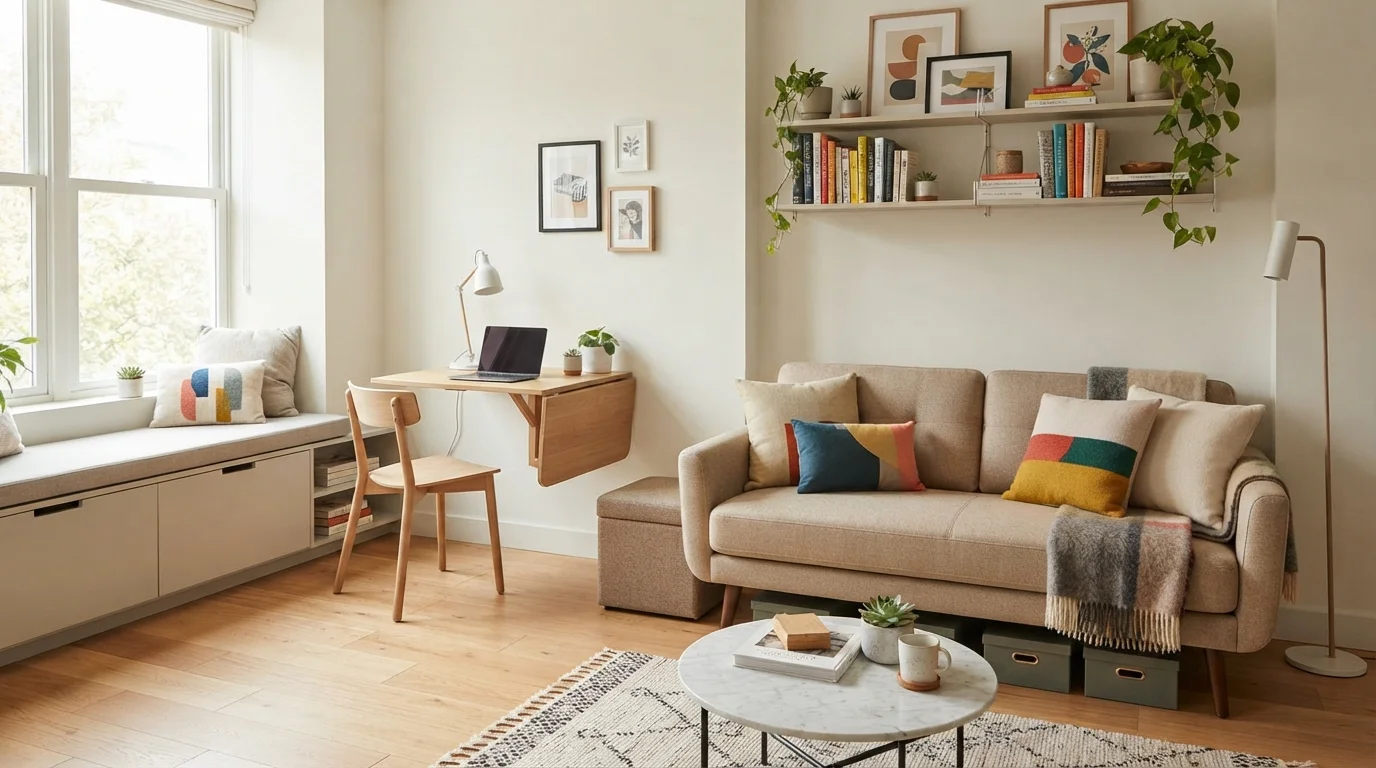
Let’s face it—small rooms can feel like a puzzle. You want style, comfort, and function, but the square footage just isn’t there. The good news? You don’t need a bigger house. You just need smarter furniture ideas for small rooms that work overtime.
Whether you’re designing a cozy apartment, a compact bedroom, or a tiny living area, the right pieces can transform clutter into calm. In this guide, we’ll explore practical, stylish ways to make every inch count using small space furniture and clever design tricks.
1. Go Vertical with Tall Storage Units
When floor space is limited, look up. Tall bookcases, floor-to-ceiling shelves, or armoires draw the eye upward and make the room feel larger. They also provide tons of storage without stealing precious square footage.
For example, a slim 12-inch deep bookshelf against a wall can hold books, decor, and even baskets for clutter. In a bedroom, a tall wardrobe with sliding doors saves space compared to a traditional swinging door model.
Look for pieces with adjustable shelves so you can customize them for your needs. This is one of the most effective compact living room solutions.
2. Embrace Multipurpose Furniture
Why buy a sofa and a bed when you can have both? Multipurpose furniture is a lifesaver in small rooms. Think storage ottomans, sofa beds, or nesting tables that tuck away when not in use.
A popular pick is a daybed with a trundle underneath. It serves as a couch during the day and a guest bed at night. Similarly, a coffee table with hidden storage can hold blankets, magazines, or remote controls.
Here are some versatile options worth considering:
- Storage ottoman: Works as a footrest, extra seat, and hidden bin.
- Drop-leaf table: Extends for dining, folds down for a desk or side table.
- Murphy desk: Folds against the wall when not in use, revealing a full-size work surface.
- Bed with drawers: Sleeps you and stores your linens and clothes underneath.
3. Choose Furniture with Exposed Legs
Bulky, solid-base furniture can make a small room feel heavy and closed in. Instead, pick couches, chairs, and tables with exposed legs. This creates visual openness, letting light flow underneath.
A sofa on 4-inch legs makes the floor visible, which tricks the eye into thinking the room is bigger. Pair it with a glass coffee table on thin metal legs for an airy, modern vibe.
This tip works especially well in small space furniture arrangements for living rooms.
4. Use Light Colors and Reflective Surfaces
Paint your furniture light—white, beige, or soft pastels—to bounce natural light around the room. Mirrors are your best friend here. A large mirror opposite a window can double the perceived size of the space.
Consider a mirrored console table or a glossy white dresser. These pieces reflect light and keep the room feeling fresh. Avoid dark, heavy woods unless you’re accenting a small area.
For bedroom storage ideas, a white wardrobe with mirrored doors is both practical and space-expanding.
5. Think Modular and Flexible
Modular furniture lets you reconfigure your space as your needs change. Cube shelving systems, sectional sofas with movable pieces, or modular desk systems are perfect for small rooms.
You can start with a basic setup and add more cubes or sections later. This is ideal for renters or anyone who likes to rearrange often. Plus, modular pieces are easy to move through narrow doorways and staircases.
Here’s a quick comparison of popular modular pieces:
| Furniture Type | Best For | Key Benefit |
|---|---|---|
| Modular sofa | Living rooms | Rearrange layout or add seats |
| Cube storage | Any room | Stack horizontally or vertically |
| Magnetic wall desk | Small offices | Folds flat when not in use |
6. Scale Down Without Sacrificing Style
Big furniture in a small room is a common mistake. Instead, choose slim-profile pieces. A loveseat instead of a full sofa, a narrow console instead of a bulky cabinet, or a compact dining table for two.
Scale also applies to proportions. A low-profile bed frame makes a small bedroom feel taller. A round table with a pedestal base takes up less visual space than a rectangular one with legs.
Remember, tiny house design principles work in any home—focus on what you need, not what you think you should have.
7. Hang Everything You Can
Floating shelves, wall-mounted nightstands, and hanging organizers free up floor space dramatically. In a small bedroom, swap a bulky bedside table for a small shelf mounted next to the bed.
In the living room, a wall-mounted media console can house your TV and electronics while leaving the floor clear. This also makes cleaning easier and reduces visual clutter.
For bedroom storage ideas, consider a wall-mounted pegboard for accessories or a hanging shoe organizer on the back of the door.
Frequently Asked Questions (FAQ)
1. What is the best sofa for a small living room?
A loveseat or a slim-profile sofa with exposed legs works best. Look for one with a hidden storage compartment if you need extra space for blankets or pillows.
2. How can I make a small bedroom look bigger with furniture?
Use a platform bed with built-in drawers, avoid tall headboards, and choose light-colored furniture. A mirror on the closet door also helps reflect light and depth.
3. Is it okay to use dark furniture in a small room?
You can, but use it sparingly. One dark accent piece can add depth, but too much dark furniture can make the room feel smaller. Balance it with light walls and plenty of lighting.
4. What is the most important piece of multipurpose furniture?
A storage ottoman is incredibly versatile. It works as a footrest, extra seating, and a hidden bin for clutter—perfect for any small space furniture setup.
5. How do I choose furniture for a narrow room?
Focus on slim, horizontal pieces rather than deep ones. Use a long console table instead of a bulky cabinet, and avoid blocking pathways. Floating shelves are also excellent for narrow rooms.
6. Can I have a dining table in a small room?
Absolutely. A drop-leaf table or a round pedestal table with two chairs works wonders. You can fold it down when not in use or store chairs on hooks on the wall.
7. Should I buy furniture specifically labeled “for small spaces”?
Not necessarily. Many regular pieces work well if you check the dimensions first. Just be mindful of depth, height, and proportion to your room.
8. How do I keep a small room from feeling cluttered?
Less is more. Choose a few statement pieces and prioritize hidden storage. Keep surfaces clear, use baskets and bins, and stick to a cohesive color palette.
Conclusion
Designing a small room isn’t about sacrificing style—it’s about being intentional with every piece you bring in. By choosing furniture ideas for small rooms that are vertical, multifunctional, and appropriately scaled, you can create a space that feels open, organized, and welcoming.
Remember to focus on light colors, exposed legs, and modular flexibility. Whether you’re outfitting a tiny apartment or a compact bedroom, these tips will help you live large in a small footprint.
Now it’s your turn. Pick one or two ideas from this list and try them out. Your small room will thank you.


