
How to Choose the Perfect Bedding for Any Season
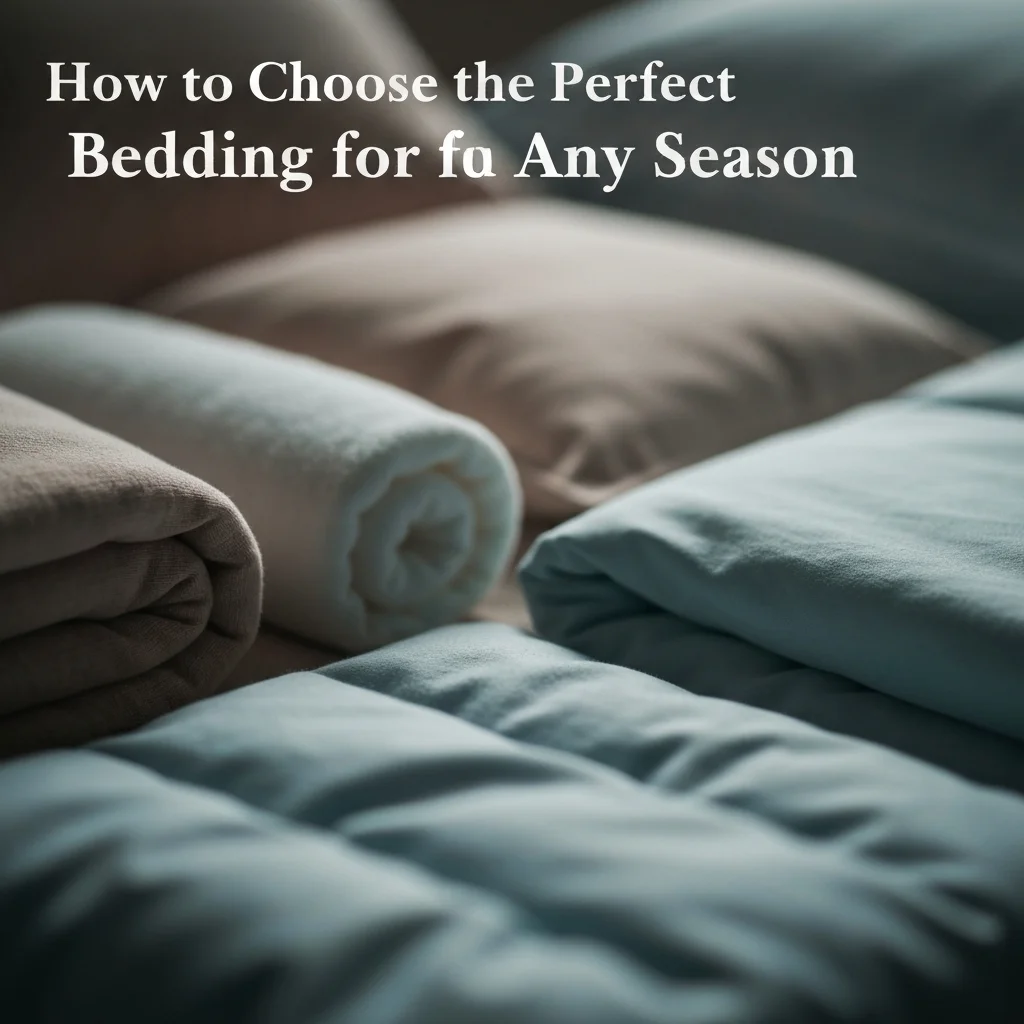
Ever tossed and turned on a sticky summer night, only to wake up shivering in winter? You’re not alone. The secret to great sleep isn’t just about your mattress—it’s about how you dress your bed. Mastering how to choose the perfect bedding for any season means you can sleep soundly all year long, without a second thought.
Here’s the good news: you don’t need four different bedding sets for each calendar change. With a few smart swaps and a layered approach, your bedroom can stay cozy in January and crisp in July. Let’s break down exactly how to build a season-proof bed.
Understand the Core Principle: Layering, Not Replacing
The number one rule for year-round bedding is layering. Think of your bed like your own wardrobe—you add a jacket in winter and shed layers in summer. Your bed should work the same way.
Start with a solid base layer, like a high-quality fitted sheet and a lightweight flat sheet. Then add a mid-layer (like a cotton blanket or quilt) and a top layer (like a duvet with a removable insert). By taking off or adding one layer, you instantly adjust your warmth level.
This approach saves you money and closet space. You will only need two or three core pieces that you can mix and match as the mercury rises and falls.
Material Matters: Choose the Right Fabric for Each Season
Fabric is the unsung hero of comfortable sleep. Picking the wrong material is like wearing a wool sweater to the beach—crispy and uncomfortable.
- Cotton Percale: Crisp, light, and breathable. Perfect for spring, summer, and hot sleepers who run warm year-round.
- Linen: The ultimate hot-weather fabric. It wicks moisture and has a relaxed, lived-in feel that gets softer with every wash.
- Flannel: Brushed for softness and warmth. Ideal for autumn and winter when you want to feel hugged by your sheets.
- Bamboo Lyocell: Silky, cooling, and eco-friendly. Great for transitional seasons and anyone who dislikes the cold side of the pillow.
If you can only buy one set of sheets, go with mid-weight cotton sateen. It’s breathable enough for summer but cozy enough for milder winter nights.
All-Season Bedding: The Smart Investment
If you want a one-and-done solution, look for all-season bedding specifically labeled that way. These products use innovative construction to balance warmth and airflow.
For example, an all-season duvet insert usually has a medium fill power (around 600–700 for down) and a baffle box design that prevents cold spots. During summer, you use it alone. In winter, you add a quilt or blanket on top.
Another popular option is the “two-in-one” comforter system. These sets come with two separate layers that snap or button together—a lighter version for warm months and a heavier combo for cold months. It’s like having a Transformer for your bed.
Best Sheets for Hot Sleepers: Cooling Technology That Works
Do you wake up with your pillow feeling like a hot potato? You need best sheets for hot sleepers. These are engineered to pull heat away from your body while you sleep.
Tencel lyocell and eucalyptus sheets are excellent choices because they absorb less moisture than cotton. Look for weaves like percale, which is looser and allows more airflow than tight sateen weaves. Some brands also use cooling gels or phase-change materials embedded in the fabric, but these can be pricey.
A smart tip: pair your cooling sheets with a wool mattress protector. Wool naturally regulates temperature and wicks moisture, so it helps keep the whole bed cooler.
Winter Duvet Inserts: Weight Without the Sweat
When the temperature drops, you want a winter duvet insert that’s heavy enough to trap body heat but not so heavy it makes you sweat like a marathon runner.
Look for a duvet with a fill power of 700 or higher for down, or a high-loft synthetic alternative if you have allergies. The shell material matters too—cotton sateen or down-proof cambric cotton prevents feathers from poking through.
Don’t forget about the “tog rating.” In the US, we don’t use this system as often, but it simply means warmth. A 10.5 tog is a good all-rounder, while 13.5+ tog is for serious winter chill.
How to Store and Rotate Your Bedding Like a Pro
Even the best bedding won’t last if you store it in a plastic bag in the basement. Proper storage extends the life of your linens and keeps them smelling fresh for next season.
Here’s a quick guide to rotating your bedding:
| Season | Base Layer | Mid Layer | Top Layer |
|---|---|---|---|
| Summer | Cotton percale sheets | Lightweight blanket (skip if hot) | Quilt or thin duvet |
| Spring & Fall | Cotton sateen sheets | Cotton throw or blanket | Medium-weight duvet |
| Winter | Flannel or brushed cotton sheets | Fleece or wool blanket | High-loft duvet with 13+ tog |
Store off-season bedding in breathable cotton bags or pillowcases. Add a cedar block or lavender sachet to keep moths and musty smells away. Also, always wash sheets before long-term storage to avoid stains setting in.
Breathable Bed Linens: Why Airflow Is King
No matter what season it is, breathable bed linens are non-negotiable. Breathable fabric allows heat and moisture to escape, so you don’t wake up clammy. Non-breathable sheets (looking at you, cheap polyester) trap heat and can ruin your sleep cycle.
Cotton, linen, bamboo, and Tencel are naturally breathable. Microfiber is not, even if it feels soft at first. For the best airflow, go with a percale weave—it’s like a sieve for air, letting your body cool naturally.
One more pro tip: wash new sheets at least twice before using them. Production residues can temporarily reduce breathability. A good wash opens up the fibers and makes them perform better.
Frequently Asked Questions
1. Can I use the same sheets all year round?
Yes, if you choose a mid-weight natural fiber like cotton sateen (300–400 thread count). But for maximum comfort, you will benefit from swapping to percale in summer and flannel in winter.
2. What thread count is best for seasonal bedding?
Thread count is overrated. For summer, 200–400 is ideal. For winter flannel, thread count isn’t even measured the same way. Focus on fiber type and weave, not just the number.
3. Are bamboo sheets good for cold weather?
Bamboo is thermoregulating, so it works in both warm and cool conditions. That said, for deep winter, you will likely need an extra blanket on top.
4. How often should I change my duvet insert?
Quality down inserts can last 10–15 years with proper care. Synthetic inserts last 3–5 years. Rotate and fluff them weekly to keep the fill even.
5. What is the best fabric for hot sleepers?
Linen and Tencel are top choices. They are moisture-wicking, lightweight, and naturally breathable. Percale cotton is also excellent.
6. Can I wash a winter duvet at home?
Check the label. Most down duvets can be washed in a large commercial machine on a gentle cycle. Dry thoroughly with wool dryer balls to prevent clumping.
7. What is the most affordable way to have season-proof bedding?
Buy one high-quality cotton sateen sheet set and one mid-weight duvet insert. Then add a lightweight cotton blanket for summer and a fleece throw for winter. Total investment: around $150–200.
Conclusion
Learning how to choose the perfect bedding for any season doesn’t require a degree in textiles or a bedroom full of linen closets. It’s about being intentional with materials, mastering the art of layering, and investing in a few versatile, high-quality pieces.
Start by checking your current bedding—does it breathe? Does it trap heat? If you’re waking up in a puddle or shivering under a thin cover, it’s time for a change. Build your bed like you build your wardrobe: base, mid, top, and swap as needed.
Your perfect night’s sleep is just a layer away.


