
How to Choose the Right Bedroom Curtains
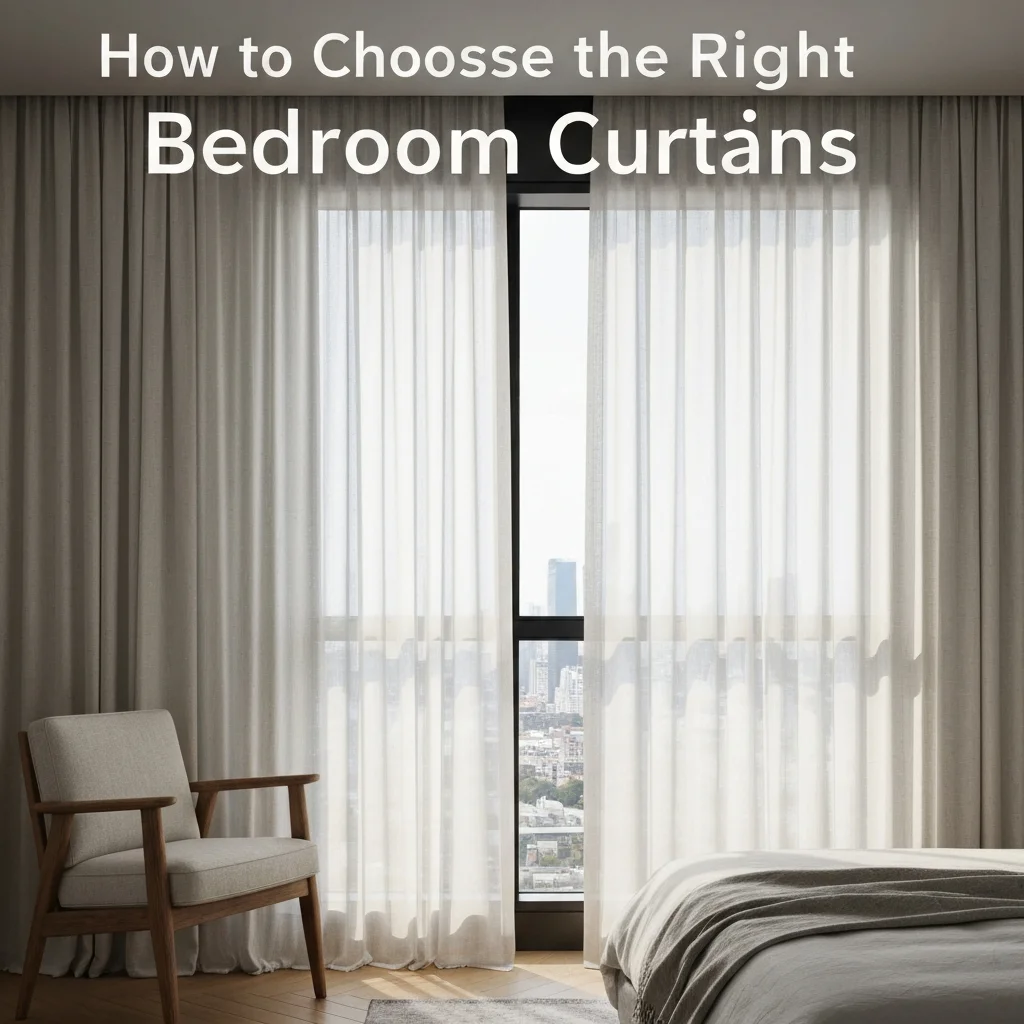
Your bedroom is your sanctuary—a place to unwind, recharge, and escape the world. But if you’re struggling with harsh morning light, lack of privacy, or a room that feels unfinished, the solution might be hanging right in front of your window.
Choosing the right bedroom curtains isn’t just about picking a pretty pattern. It’s about balancing function, fabric, and fit to create a space that truly works for you. Let’s walk through everything you need to know, from light control to curtain length.
Why Bedroom Curtains Matter More Than You Think
Curtains do more than dress up a window. In a bedroom, they control light, insulate against temperature swings, reduce outside noise, and provide privacy. The right pair can transform your sleep quality and your room’s overall vibe.
Think about your morning routine. Do you wake up with the sun, or do you need total darkness until your alarm goes off? Your answer will guide your fabric choice. Bedroom curtains also add texture and color, making the space feel cozy and intentional.
In short: curtains are a design powerhouse. Don’t leave them as an afterthought.
Fabric Matters: Choosing the Best Material for Your Needs
The fabric you choose determines how your curtains look and perform. Here’s a quick breakdown of the most popular options for bedrooms.
Cotton and Linen Blends
Lightweight and breathable, these fabrics let in soft, filtered light. They work well in rooms where you want a relaxed, airy feel. However, they don’t block much light or provide strong insulation.
Velvet and Heavy Drapes
Velvet is the heavyweight champion of bedroom curtains. It blocks light, traps warmth, and adds a touch of luxury. Perfect for colder climates or rooms that face east and get early morning sun.
Blackout Curtains
These are not a fabric type but a treatment applied to any fabric. A blackout lining blocks nearly 100% of light. If you work night shifts or have a partner who wakes earlier than you, blackout curtains are a game-changer.
Polyester and Performance Fabrics
Durable, wrinkle-resistant, and budget-friendly. Modern polyester blends often mimic natural fabrics. They’re easy to clean and great for kids’ rooms or guest bedrooms.
- For maximum privacy and sleep: choose blackout-lined velvet or polyester
- For a breezy, natural look: go with linen or cotton
- For insulation and energy savings: opt for heavy drapes with thermal lining
How to Measure and Choose the Right Curtain Length
Length can make or break your curtain game. Too short, and the room looks awkward. Too long, and you’ll trip over them. Getting the curtain length guide right is essential.
Standard rules of thumb:
- Floor-length: Curtains should hover 1/2 inch above the floor for a clean, modern look
- Puddle length: For a romantic, luxurious vibe, let the fabric pool 1–2 inches on the floor
- Break length: A gentle “break” at the floor, similar to trousers, works in traditional settings
Always measure from the top of the curtain rod to the floor. If you plan to install the rod above the window frame (which you should!), measure from that higher point.
| Room Ceiling Height | Recommended Curtain Length |
|---|---|
| 8 feet (standard) | 84 inches |
| 9 feet | 96 inches |
| 10 feet or higher | 108–120 inches |
Pro tip: install the curtain rod 4–6 inches above the window frame to make the ceiling look higher. This simple trick adds visual height to any bedroom.
Light Control and Privacy: Matching Curtains to Your Window Direction
Not all windows are created equal. The direction your window faces affects the amount and intensity of light it receives. Choose your bedroom curtains accordingly.
South-facing windows get the most sunlight year-round. Go for blackout curtains or lined drapes to keep the room cool and dark during peak hours.
East-facing windows catch the sunrise. If you’re not a morning person, blackout lining is non-negotiable. A medium-weight fabric with lining works wonders.
West-facing windows receive intense afternoon heat. Thermal-lined curtains help regulate temperature and block glare while you’re winding down.
North-facing windows offer soft, consistent light. Sheer or semi-sheer curtains work beautifully here, letting in gentle brightness without sacrificing privacy.
Color, Pattern, and Style: Making Curtains Part of Your Design
Once function is sorted, it’s time for fashion. Your curtains should complement the room’s palette and personality.
Neutral tones—cream, taupe, gray, and beige—create a calm, timeless backdrop. They’re the safest choice if you change your decor often. For a pop of personality, try a muted pattern like stripes, florals, or geometric prints.
If your bedroom already has a bold accent wall or patterned bedding, stick to solid curtains in a complementary shade. When the room is more neutral, curtains can be the star. Remember: bedroom window treatments should feel cohesive, not chaotic.
Pro tip: match curtain color to one of the lighter tones in your bedding or rug for a pulled-together look.
Layering Curtains for Maximum Style and Function
Why settle for one when you can have two? Layering curtains means hanging a sheer panel behind a heavier curtain. This gives you flexibility throughout the day.
During the day, close the sheers for privacy while letting in soft light. At night, draw the heavy drapes for total darkness and insulation. It’s a practical solution that looks expensive and intentional.
Layering also adds texture and depth to the room. Mix a smooth velvet outer panel with a light linen sheer, or try a patterned outer curtain with a neutral inner layer. The contrast elevates your entire bedroom design.
Hardware matters, too. Use a double rod system (two rods on one bracket) or a single rod with clip rings for the sheer and a separate rod for the outer curtain. The result is a custom-window look without the custom price tag.
Maintenance and Budget: Real-World Considerations
Before you buy, think about how much time and money you want to invest. Some curtain fabric for bedrooms requires dry cleaning (velvet, silk). Others can be machine washed (cotton, polyester).
Budget ranges vary widely. A set of basic polyester panels can cost under $30, while custom velvet drapes may run $300 or more per panel. Medium-range options like linen blends or ready-made blackout curtains offer a sweet spot of quality and value.
If you’re on a tight budget, prioritize the bedroom where you sleep most. Quality blackout curtains there will improve your rest more than fancy curtains in a guest room.
Always check the care label and consider curtain liners to protect the fabric from sun damage and extend their life.
Frequently Asked Questions
What is the best fabric for bedroom curtains?
It depends on your needs. For light blockage and insulation, velvet or blackout-lined polyester is best. For a light, airy feel, choose linen or cotton. Thermal-lined fabrics work well for energy efficiency.
Should bedroom curtains be floor-length?
Yes, almost always. Floor-length curtains look polished and professional. Short curtains can make the room feel unfinished. The one exception is if you have a radiator or window seat below the sill.
How do I choose curtain color for a bedroom?
Pull a color from your existing decor—bedding, rug, or wall color. Neutral tones like beige or gray are versatile. For a darker room, light-colored curtains help bounce light around. For a cozy feel, go two shades darker than the walls.
Can I mix different curtain styles in the same room?
Yes, especially if you layer. Mix a solid outer drape with a patterned sheer, or combine textures like velvet and linen. Keep the color palette consistent to maintain harmony.
Do blackout curtains really help with sleep?
Absolutely. Total darkness signals your brain to produce melatonin, the sleep hormone. Blackout curtains can help you fall asleep faster and stay asleep longer, especially in summer when the sun rises early.
How many curtain panels do I need for a bedroom window?
A general rule: the total width of your panels should be 2 to 2.5 times the width of your window. For a standard 36-inch window, that means two panels, each 45–50 inches wide, for proper fullness.
What’s the difference between curtains and drapes?
Curtains are typically lighter, unlined, and less formal. Drapes are heavier, lined, and pleated at the top. For bedrooms, either works, but drapes offer better light control and insulation.
How do I clean bedroom curtains?
Check the care label. Most cotton and polyester curtains can be machine washed on a gentle cycle and hung to dry. Velvet and silk usually require dry cleaning. Vacuuming with a brush attachment helps remove dust between washes.
Conclusion
Choosing the right bedroom curtains is a balancing act between style and substance. Start with your practical needs—light control, privacy, and insulation—then layer in color, texture, and length.
Remember to measure carefully, pick a fabric that matches your lifestyle, and don’t be afraid to layer for versatility. Whether you go for airy linen or plush velvet, the perfect curtains will make your bedroom feel like a true retreat.
Take your time, trust your instincts, and enjoy the process. A well-dressed window is one of the most rewarding upgrades you can make in your home.


