
How to Choose the Right Lighting Fixtures for Small Homes
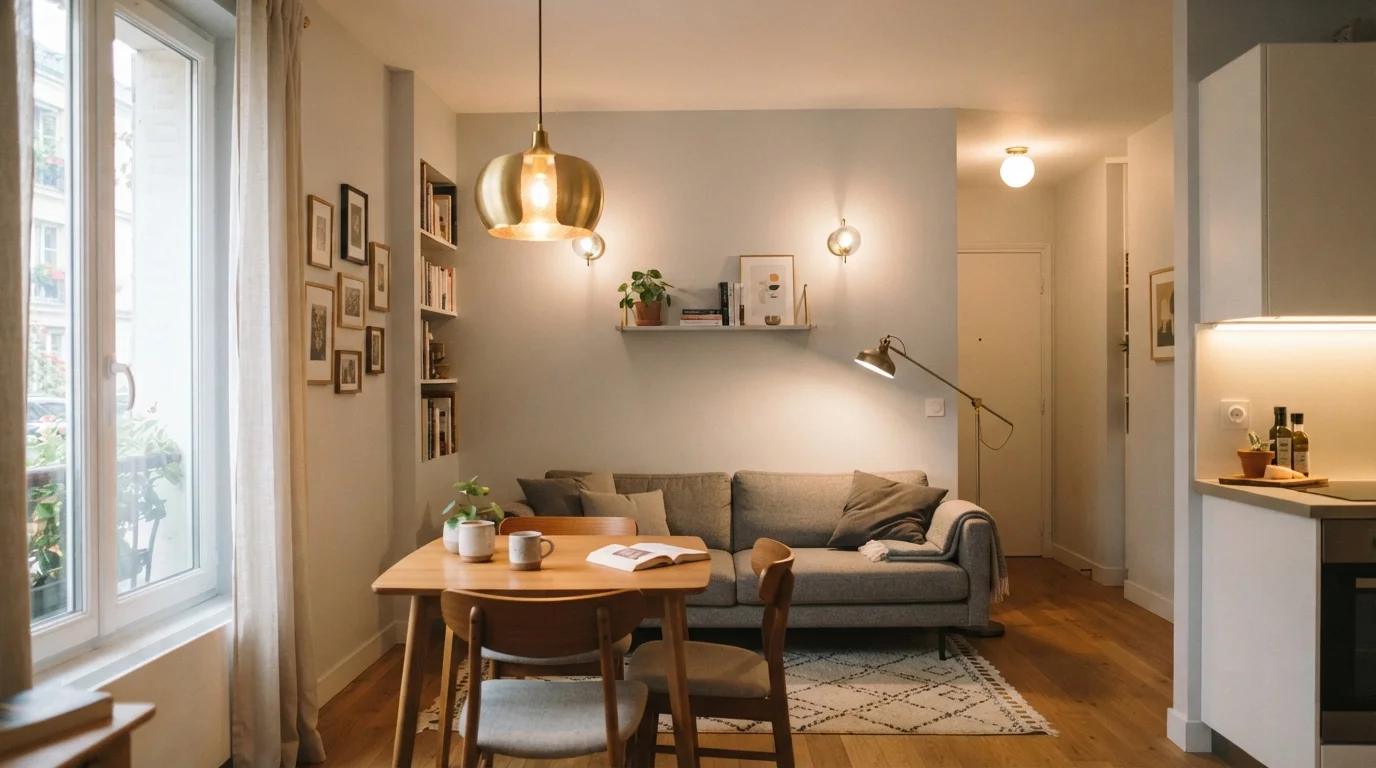
Lighting can make or break a small home. Get it right, and your cozy apartment feels spacious, airy, and inviting. Get it wrong, and even the biggest room can feel cramped and gloomy.
If you’re navigating tight square footage, you already know every square inch matters. The same is true for your lighting choices. From ceiling fixtures to table lamps, selecting the right ones is about balancing function, scale, and style.
In this guide, we’ll walk you through how to choose the right lighting fixtures for small homes, covering everything from layering to bulb temperature. You’ll leave with actionable tips that actually work in compact spaces.
Why Lighting Matters More in Small Spaces
In a small home, lighting does double duty. It illuminates your space and visually expands it. Poor lighting can create harsh shadows and make walls feel like they’re closing in.
On the flip side, smart lighting can trick the eye. A well-lit room feels larger, taller, and more open. That’s why mastering small space lighting ideas is a game-changer for any homeowner or renter.
Think of light as a tool. It directs attention, highlights architecture, and even defines zones in an open layout. When you nail your fixture selection, you instantly upgrade your living experience.
Understand the Three Layers of Lighting
Before you shop, know this: the best small homes use layered lighting. This means combining ambient, task, and accent lighting to create depth and flexibility.
- Ambient: The main source of light, usually overhead. Think flush mounts or recessed lights.
- Task: Focused light for specific activities, like reading or cooking. Desk lamps and under-cabinet strips belong here.
- Accent: Decorative light that highlights artwork, plants, or architectural features. Picture lights or small wall sconces work well.
Without layering, you’re stuck with one harsh overhead that washes everything out. In a compact room, that’s a disaster. Instead, spread light at different heights to make the space feel dynamic and larger.
Choose Fixtures with the Right Scale and Placement
One of the biggest mistakes in small homes is choosing fixtures that are too large or too small. Scale is critical. A massive chandelier can overwhelm a tiny dining nook, while a tiny pendant gets lost in a living area.
Here’s a quick rule of thumb: for pendant lights over a table or island, the fixture’s diameter should be about half the width of the surface. For floor lamps, keep the shade at eye level when seated to avoid glare.
Placement also matters. Mount wall sconces at around 60 to 66 inches from the floor. Use swing-arm lamps near seating to free up surface space. And always aim to bounce light off walls or ceilings to spread it evenly.
For easy reference, check this small space lighting ideas comparison table:
| Fixture Type | Best For | Recommended Height/Distance |
|---|---|---|
| Flush Mount Ceiling | Low ceilings (under 8 ft) | Mount flush to ceiling |
| Semi-Flush Mount | Standard to medium ceilings | 6–12 inches below ceiling |
| Pendant Light | Dining or kitchen islands | 30–36 inches above surface |
| Wall Sconce | Hallways, beside beds | 60–66 inches from floor |
| Floor Lamp | Reading corners, living rooms | Shade at seated eye level |
Pick the Best Light Fixtures for Small Rooms
Now, let’s talk specific picks. The best light fixtures for small rooms are versatile, compact, and visually light. Avoid heavy, dark materials like wrought iron or thick bronze. Instead, go for open designs in brass, chrome, or translucent glass.
Flush and semi-flush mounts are lifesavers for low ceilings. They provide ambient light without eating into headroom. Recessed lighting is another winner: it’s invisible, clean, and can be strategically placed to brighten dark corners.
Track lighting offers flexibility. You can rotate individual heads to spotlight a bookshelf or a dining table. For bedrooms, swing-arm sconces free up nightstand space and add a tailored look.
Mini-pendants work great over kitchen counters or breakfast bars. And don’t underestimate plug-in wall lights—they require no hardwiring and are perfect for renters.
Create a Layered Lighting Small Apartment Plan
A layered lighting small apartment plan starts with a single switch. Your ambient source should be dimmable. Then, layer in task lighting where you work, cook, or read. Finally, add accent lights to create visual interest.
For a studio, divide the space with light. Use a pendant over the dining area, a floor lamp by the sofa, and a small desk lamp in the workspace. Each zone gets its own control, giving you total flexibility.
Pro tip: use smart bulbs or dimmers to adjust brightness throughout the day. Bright white light in the morning wakes you up; warm dim light in the evening relaxes you. This is lighting that adapts to your life, not the other way around.
Never rely on a single fixture. Even a well-chosen ceiling light can create flat, lifeless shadows. Mixing sources at different heights lifts the eye and makes the room feel taller.
Consider Bulb Color Temperature and Brightness
Bulb temperature changes the mood of a room instantly. Measured in Kelvin (K), lower numbers (2700K) give off a warm, cozy glow. Higher numbers (4000K–5000K) mimic daylight and feel crisp and clean.
For small homes, stick to warm white (2700K–3000K) in living and sleeping areas. It’s forgiving and flattering. Use cool white (3500K–4000K) in kitchens and bathrooms where visibility matters. Avoid anything above 5000K—it will feel clinical.
Brightness is measured in lumens. A small room doesn’t need a ton of lumens. For a 100-square-foot living room, 1,000 to 2,000 lumens from ambient sources is plenty. Add task lights for focused work.
Dimmable bulbs are worth the investment. They let you transform the same fixture from bright and focused to soft and romantic with the turn of a knob.
Maximize Natural Light to Supplement Your Fixtures
Your fixtures don’t work alone. Maximize natural light small home design by keeping windows unobstructed. Use sheer curtains or top-down blinds to let light in while maintaining privacy.
Place mirrors opposite windows to reflect daylight deeper into the room. A large mirror can practically double the perceived brightness. Light-colored walls, furniture, and floors also help bounce light around.
Even with great fixtures, natural light reduces your reliance on electricity during the day. It also makes the space feel more connected to the outdoors—a huge plus in a small home.
Consider skylights or solar tubes if you have the budget and access. They flood a room with daylight without sacrificing wall space.
Frequently Asked Questions
1. How many light fixtures do I need in a small room?
Aim for at least three sources: one ambient, one task, and one accent. This creates a balanced, layered effect.
2. Can I use a chandelier in a small space?
Yes, but choose a mini or slim profile chandelier. Keep it under 20 inches in diameter for a standard living or dining area.
3. What’s the best ceiling light for a low ceiling?
Flush mount or recessed lights are your best options. They provide full illumination without hanging down.
4. Should I use warm or cool light in a small apartment?
Warm light (2700K–3000K) is ideal for living and sleeping areas. Cool light works better in kitchens and bathrooms.
5. Are floor lamps good for small rooms?
Absolutely, but choose a slim, vertical design with a slender base. Arc lamps can also work if placed in a corner.
6. How do I make a small bathroom look bigger with lighting?
Use bright, cool light (3500K–4000K) and add a backlit mirror. Avoid bulky fixtures—go for flush or recessed.
7. What’s the best way to light a narrow hallway?
Use wall sconces spaced every 6 to 8 feet. Add a runner of light along the floor with recessed step lights for safety and style.
8. Can I install lighting without an electrician?
Plug-in sconces, battery-operated puck lights, and smart bulbs are all DIY-friendly. For hardwiring, always hire a pro.
Conclusion
Choosing the right lighting fixtures for your small home doesn’t have to be overwhelming. Start with a layered plan, pay attention to scale, and pick fixtures that complement your space rather than crowd it.
Remember to warm up the color temperature, use dimmers, and let natural light do some of the work. Whether you’re styling a studio or a compact condo, these small space lighting ideas will help you create a home that feels bigger, brighter, and more beautiful.
Now it’s your turn. Look around your space. Which layer of light is missing? Start with one upgrade and see the difference it makes.


