
Small Space Decorating Rules to Follow
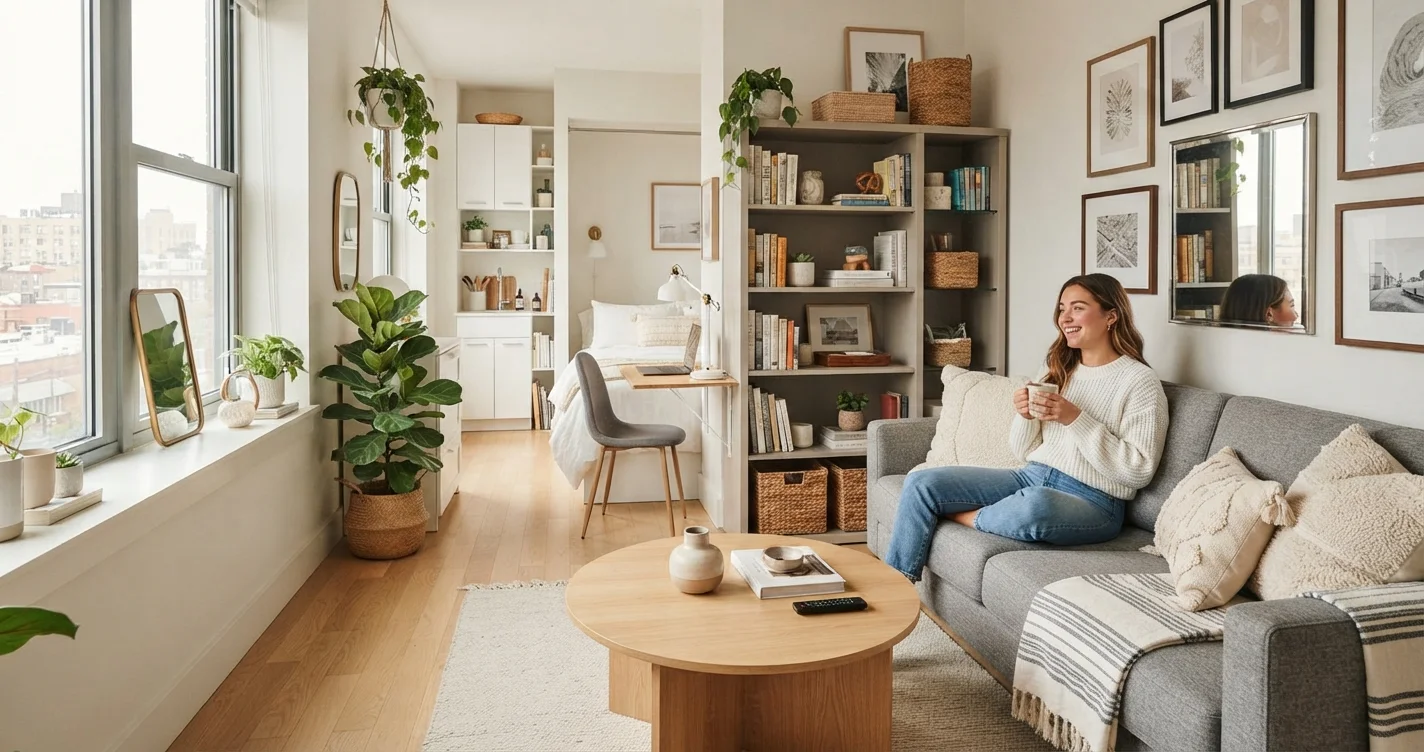
Living in a small home doesn’t mean you have to sacrifice style or comfort. In fact, some of the most creative and beautiful interiors come from tight square footage. The secret? Knowing the right small space decorating rules to follow.
After years of writing about home design, I’ve seen the same mistakes again and again: oversized sofas, dark color schemes, and furniture pushed against every wall. These choices make a room feel smaller, not bigger.
In this guide, I’ll share the essential small space solutions that actually work. From visual tricks to furniture selection, these are the rules I use in my own projects and recommend to readers. Let’s make your space feel open, airy, and undeniably yours.
1. Rule of Thumb: Less Is More (But Strategic)
The number one mistake in decorating small rooms is overcrowding. You don’t need to fill every corner. In fact, negative space is your best friend. It gives the eye a place to rest, making the room feel larger.
Be ruthless with your belongings. Keep only pieces that serve a purpose or bring you joy. A single statement armchair is better than two cluttered loveseats. Remember: every item must earn its square footage.
When in doubt, use a tray or a basket to corral small objects. This creates visual order and prevents that busy, chaotic feel that shrinks a room.
2. Embrace Verticality
When floor space is limited, you must look up. Using your walls for storage and decoration is one of the most powerful small space solutions available.
Install floating shelves above doorways, in corners, or next to windows. Use tall bookcases that go all the way to the ceiling. Hang curtains high—almost at the crown molding—to trick the eye into thinking the ceiling is taller.
Even in the kitchen, use magnetic strips for knives and pegboards for utensils. This frees up counter space and adds a modern, curated look. Verticality isn’t just storage—it’s an optical illusion.
3. The Power of Multifunctional Furniture
You simply cannot decorate a small space without multifunctional furniture. Every piece should pull double duty. A coffee table with hidden storage, an ottoman that becomes a guest bed, or a desk that folds into the wall.
Look for nesting tables that can be separated when you have company. Consider a storage bench at the foot of the bed. Even a simple wall-mounted drop-leaf table can serve as a dining area and a workspace.
Investing in quality convertible furniture is cheaper and smarter than buying separate pieces that clutter the room. It’s the backbone of any successful small home design.
- Ottoman with storage (great for blankets and magazines)
- Murphy bed with built-in shelving
- Expandable dining table for 2 to 6 people
- Corner desk that doubles as a vanity
- Sofa bed with a pull-out trundle
4. Light Colors and Strategic Contrast
You’ve heard it before: white walls make a room look bigger. But there’s more to this rule than just painting everything white. The key is layering shades of light, neutral tones with small pops of contrast.
Use pale blues, soft grays, or warm creams on the walls. Keep large furniture pieces in similar light tones. Then add visual interest with darker accents—a black picture frame, a navy throw pillow, or a green plant.
This approach creates depth without breaking the visual plane. Dark corners recede, and light surfaces reflect natural light. It’s one of the easiest apartment design tips that delivers instant results.
5. Mirror Magic and Lighting Layers
Mirrors are the ultimate trick in any decorator’s toolbox. Place a large mirror opposite a window to double the natural light and create the illusion of an extra room. Lean a floor mirror against a wall to visually expand the space.
But lighting matters just as much. Avoid relying on a single overhead light. Instead, layer your lighting with floor lamps, wall sconces, and table lamps. Multiple light sources eliminate harsh shadows and make the room feel larger and more welcoming.
Use warm LED bulbs around 2700K to 3000K. Cooler light can feel clinical, while warm light adds a cozy, expansive glow. These visual space hacks cost almost nothing yet change everything.
6. Furniture Placement That Opens the Room
Stop pushing every piece of furniture against the wall. It’s a common myth that this creates more floor space. In reality, it leaves a gap in the center and makes the room feel like a hallway.
Float your sofa away from the wall by a few inches. Use a small console table behind it or let it define a “zone” in a studio apartment. Place chairs at an angle to create movement and break up boxy lines.
Even a small rug can anchor a seating area. Make sure the rug is large enough that the front legs of your furniture sit on it. This ties the room together and makes it feel intentional, not cramped.
Practical Comparison: What to Avoid vs. What to Do
Sometimes it helps to see the rules side by side. Here’s a quick reference table for small space decorating rules you can follow:
| Avoid This | Do This Instead |
|---|---|
| Oversized sectional sofa | Two slim armchairs or a loveseat |
| Dark, heavy curtains | Sheer or light linen curtains |
| Small, cluttered decor | One or two large statement pieces |
| Wall-to-wall carpet | Large, light-colored area rug |
| Closed cabinets only | Mix of open shelves and closed storage |
7. Scale and Proportion Are Non-Negotiable
One of the most overlooked small space decorating rules is getting the scale right. A tiny side table next to a big sofa looks silly and wastes potential. A huge coffee table in a narrow living room blocks traffic flow.
Measure your room and your furniture before buying. Leave at least 18 inches between the coffee table and the sofa. Have 30 inches of walkway space in high-traffic areas. These dimensions keep the room functional and comfortable.
When in doubt, go slightly smaller than you think. A room with a bit more breathing space always feels larger than one packed with perfect-sized furniture.
Frequently Asked Questions
What is the most important rule for decorating a small space?
The most important rule is to avoid clutter. Keep surfaces clean, use hidden storage, and only display items that add value to the room.
Can I use dark colors in a small room?
Yes, but use them strategically. Dark accent walls can add depth, but the rest of the room should stay light. Always balance dark colors with ample lighting and mirrors.
What type of furniture is best for a small apartment?
Multifunctional furniture is best. Look for pieces with storage, like ottomans, beds with drawers, or nesting tables. Wall-mounted desks and foldable chairs also save space.
How do I make a small living room look bigger?
Use light colors, large mirrors, and layered lighting. Keep the floor plan open and float furniture away from the walls. Choose a low-profile sofa to keep sightlines clear.
Should I use large or small patterns in a small room?
Large patterns can work if used sparingly. A big geometric rug or a bold wallpaper on one wall adds drama without overwhelming the space. Small patterns tend to look busy.
How can I create a separate bedroom area in a studio?
Use a room divider, a tall bookcase, or a curtain to separate the sleeping area. Position the bed at an angle or use a canopy to define the zone visually.
What are the best rug sizes for small rooms?
Go as large as possible. A rug that goes under the front legs of your sofa and chairs anchors the room. In a small bedroom, a 5×8 or 6×9 rug is usually ideal.
Is it okay to have a lot of plants in a small space?
Absolutely. Plants add life, color, and texture. Use hanging planters or tall, slim pots to save floor space. A few well-placed plants can make a room feel fresh and larger.
Conclusion
Decorating a small space isn’t about limiting yourself—it’s about being intentional. By following these small space decorating rules, you can transform a cramped room into a stylish, functional home.
Remember the key principles: go vertical, choose multifunctional furniture, keep colors light, and never underestimate the power of mirrors and lighting. Every rule here is designed to maximize your square footage without sacrificing your personal style.
Start with one rule at a time. Move your sofa away from the wall, swap a heavy curtain for a light one, or add a tall shelf. Small changes add up to big differences. Your ideal small space is within reach—start implementing these rules today.


