
How to Choose the Right Rugs for Small Rooms
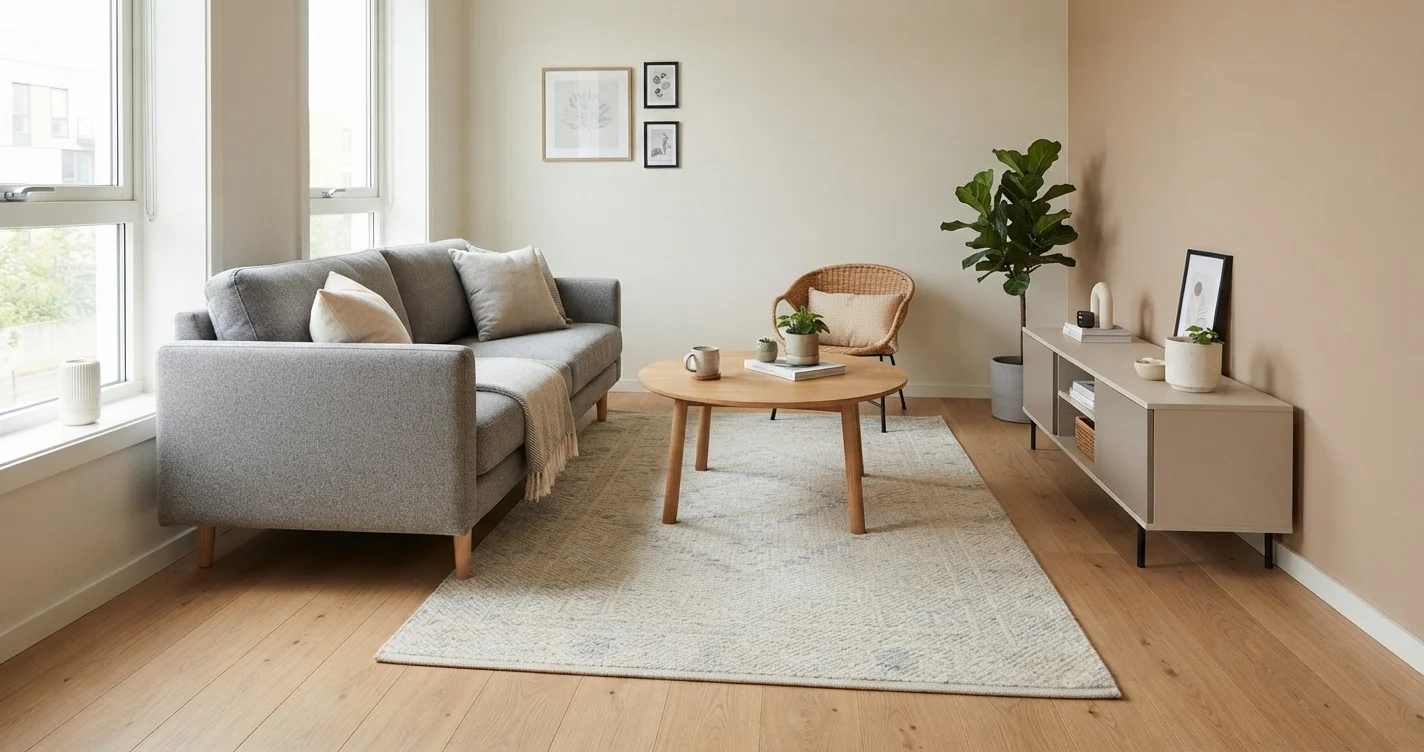
Choosing the right rug for a tight space can feel like solving a puzzle. You want it to anchor the room, but not swallow it. The wrong choice can make your cozy den feel claustrophobic.
Here’s the good news: with a few strategic moves, you can pick a rug that opens up your room visually, adds warmth, and elevates the entire design. Let’s break down exactly how to choose the right rugs for small rooms, from sizing secrets to material magic.
1. Size Matters: Go Big (Within Reason)
The most common mistake in small spaces is choosing a rug that’s too tiny. A small rug under a coffee table or a postage-stamp runner can make the floor look cut up, emphasizing the room’s limits.
Instead, aim for a rug that fits under the front legs of your major furniture. For a living room, that means your sofa and chairs should have at least their front feet on the rug. This creates a unified zone and tricks the eye into seeing a larger, continuous floor area.
A good rule of thumb: leave 12 to 18 inches of bare floor around the rug’s edges. This border frames the room and prevents the rug from feeling cluttered. For small bedrooms, a 5×8 or 6×9 rug placed partially under the bed works wonders.
2. Light Colors and Simple Patterns Expand Space
Color psychology works overtime in small rooms. Light, neutral rugs—think cream, beige, soft gray, or pale blush—reflect natural light and create an airy foundation. Dark rugs absorb light and visually shrink the floor area.
Patterns aren’t off-limits, though. You just need to choose wisely. A rug with a subtle, low-contrast pattern (like a tone-on-tone geometric or a delicate floral) adds interest without overwhelming the room. Bold, high-contrant patterns can create a focal point that distracts from the room’s small size.
Pro tip: stripes running parallel to the longest wall can visually elongate the space. A runner with horizontal stripes can make a narrow hallway feel wider.
3. Shape and Layout: Think Outside the Rectangle
Rectangular rugs are classic, but they’re not always the best rug for cramped layouts. Round rugs are unexpectedly powerful in tight spots. They soften sharp corners and create a natural flow, especially in small dining areas or under a round coffee table.
For a small entryway or kitchen galley, a short runner or an oval rug works better than a full rectangle. These shapes guide the eye without cutting the floor into awkward squares.
Remember: the shape should echo the room’s furniture layout, not fight it. If your small room has curved furniture, a round rug feels like a natural extension.
4. Low Pile vs. High Pile: Texture That Breathes
Pile height influences both appearance and function. In a small room, low-pile rugs (like flatweave, dhurrie, or indoor-outdoor styles) are your best friends. They sit flush against the floor, making the space feel open and easy to navigate.
High-pile rugs like shag can feel luxurious, but they absorb light and create visual bulk. A thick rug can make a tiny room feel cramped and hard to clean. Reserve plush textures for accent areas, like a small reading nook.
Here’s a quick comparison to guide your choice:
| Rug Type | Best For Small Rooms | Why It Works |
|---|---|---|
| Low-pile / Flatweave | Living rooms, hallways | Easy to clean, doesn’t break visual flow |
| Medium-pile (e.g., Berber) | Bedrooms, dens | Adds warmth without bulk |
| High-pile / Shag | Small accent corners only | Can feel heavy; use sparingly |
5. Rug Placement Strategies for Traffic Flow
Placement is everything when working with square footage. The rug should define a zone without blocking natural walking paths. In a small living room, place the rug so that every major traffic lane goes around it, not across it.
For open floor plans where you’re dividing a studio apartment, use a rug to visually separate the sleeping area from the living area. Ensure the rug’s edge aligns with the furniture’s front legs so the separation feels deliberate, not accidental.
Avoid placing a rug flush against the wall. That tiny gap between the rug and the baseboard visually expands the floor. Even two inches of exposed floor makes a difference.
6. Material Choices That Last (and Look Good)
Small rooms often get heavy foot traffic, especially if they’re multifunctional like a home office-slash-guest room. Durability matters. Wool rugs are naturally stain-resistant and springy, making them fantastic for small spaces.
If you’re on a budget, consider cotton or synthetic blends (polyester, polypropylene). They’re affordable, easy to clean, and come in light colors that won’t fade quickly. Natural fibers like jute and sisal add texture and an organic feel, but they can be rough underfoot—ideal for entryways, less so for a cozy bedroom.
Materials also affect visual weight. A glossy, synthetic rug can look cheap in small doses. A matte, textured wool rug feels grounded and sophisticated.
7. Adding Layering for Depth
Layering rugs can create depth in a small room without adding clutter. Start with a large, neutral, low-pile base rug (like a simple jute or flatweave), then top it with a smaller, more colorful or patterned accent rug.
This approach adds visual interest and defines specific functions within the same small footprint. For example, layer a cowhide or a small vintage rug over a sisal base in your seating area. The contrast breaks up the monotony and makes the space feel curated.
Just keep the layers thin. Too much padding adds unnecessary height and creates a tripping hazard.
Frequently Asked Questions
What size rug is best for a 10×10-foot room?
An 8×10 rug is typically the sweet spot. It leaves about a foot of bare floor around the edges, which frames the room nicely. For a slightly smaller room, try a 6×9 if you have less furniture.
Should you put a rug in a small bathroom?
Yes, but choose a small, low-pile cotton or washable mat. Avoid full bathroom rugs that overwhelm the floor. A simple runner or a circular pad in front of the sink works best.
How do I prevent a rug from making my room look smaller?
Use a rug that fits under the front legs of your furniture. Avoid tiny accent rugs that float in the middle of the floor. Stick to light, solid tones or low-contrast patterns.
Can a dark rug work in a tiny room?
It’s risky. Dark rugs absorb light, which can make the room feel smaller. If you love a darker shade, balance it with bright walls, white furniture, and plenty of natural light.
What’s the best shape for a small living room?
Square or rectangular rugs work well for most layouts. If you have a narrow, long room, a runner or a round rug can break up the straight lines and add visual interest.
Do runners make a small room look longer?
Absolutely. A runner placed along the longest wall or in a hallway creates a visual line that draws the eye forward, making the space feel extended.
How often should I clean a rug in a small space?
At least once a week with a vacuum. Small rooms trap dust more quickly. Spot-clean spills immediately, and do a deep steam clean or professional wash every 6–12 months.
Conclusion
Choosing the right rug for a small room isn’t about sacrifice—it’s about strategy. Prioritize size that anchors your furniture, light colors that bounce light, and materials that withstand daily life.
Remember the golden rule: a rug should define the space, not fight it. When you nail the scale, placement, and pattern, your small room will feel intentional, cozy, and surprisingly spacious. Start with a thoughtful plan, and let your rug be the foundation of your design.


