
Why You Should Add a Sitting Area to Your Bedroom
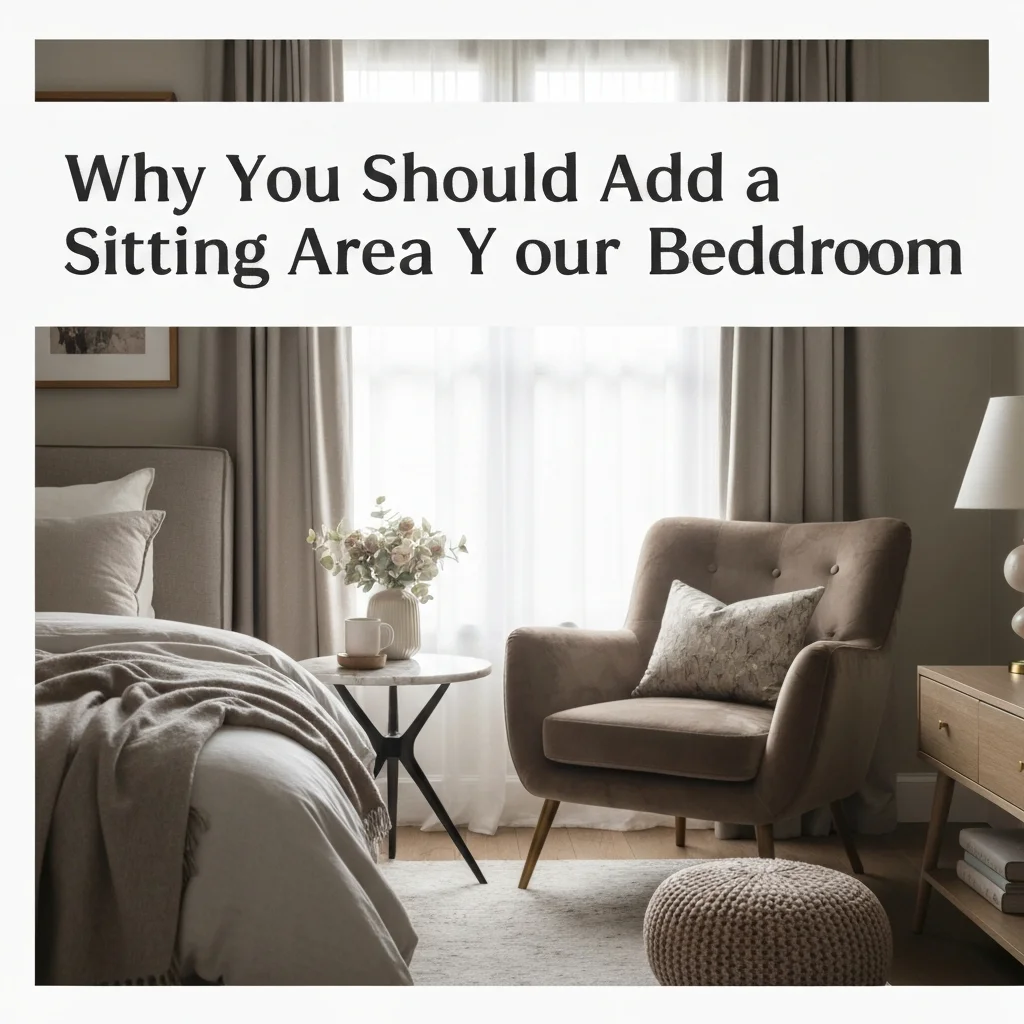
Your bedroom is more than just a place to sleep. It’s where you start and end your day. Adding a sitting area in bedroom can completely change how you use the space.
Many people overlook this simple upgrade. They focus on the bed, the closet, or the lighting. But a small seating nook adds function and comfort. It makes your bedroom feel like a private suite in a luxury hotel.
Why You Really Need a Sitting Area in Your Bedroom
A sitting area gives you a second place to relax without leaving the room. Whether you’re reading, scrolling on your phone, or sipping morning coffee, it keeps the bed for sleep only. This helps your brain associate the bed with rest, not activity.
It also boosts your home’s resale value. Real estate agents often note that a well-styled sitting area makes a bedroom feel larger and more luxurious.
5 Key Benefits of Adding a Sitting Area
- Better Sleep Hygiene: Your bed stays for sleeping. You use the chair for reading or watching TV.
- Extra Storage: Many seating options, like ottomans or benches, come with hidden storage.
- Visual Depth: A chair or chaise lounge breaks up a large room and adds dimension.
- Cozy Morning Routine: Sit down to put on shoes, stretch, or plan your day before leaving.
- Guest Seating: If you have a large bedroom, it offers a place for a partner or guest to sit.
How to Choose the Right Furniture for Your Bedroom Seating
Don’t just grab any armchair from the living room. Think about scale and function. A full-size armchair works best if you have at least 4 feet of empty wall space. For corners, use a mid-century accent chair or a small chaise lounge.
If space is tight, consider a upholstered bench at the foot of the bed. It doubles as seating and a place to drop a blanket or clothes. You can also use a pair of small poufs or ottomans that tuck under a window sill.
Layout Ideas for a Sitting Area in Bedroom
Place your seating near natural light. A corner by a window is ideal for a reading nook. If you have a large master bedroom, create a small conversation zone with two chairs and a tiny side table.
Avoid placing the chair directly across from the bed unless you have a separating screen or a large dresser. You want the seating area to feel like its own zone, not an extension of the bed.
In smaller rooms, float a slim console table behind the chair to hold books or a lamp. This defines the space without taking floor area.
Sitting Area vs. Reading Nook: What’s the Difference?
A sitting area is general. It can be used for chatting, putting on shoes, or simply resting. A reading nook is more specific — usually a cozy corner with good lighting and a small bookshelf.
Think about how you live. If you read every night before sleep, a reading nook makes sense. If you mostly want a spot to scroll or talk, a simple armchair with a side table is enough.
Shopping Guide: Best Types of Seating for Your Bedroom
| Furniture Type | Best For | Space Needed |
|---|---|---|
| Armchair (upholstered) | Reading, relaxing, guest seating | 4 x 4 ft minimum |
| Chaise lounge | Lying down, napping | 6 x 3 ft |
| Bench (upholstered) | Foot of bed, quick sit | Width of bed + 2 ft |
| Ottoman / Pouf | Small spaces, extra footrest | 2 x 2 ft |
| Small sofa or loveseat | Large master suites | 6 x 3 ft |
Frequently Asked Questions (FAQ)
1. Can I add a sitting area in a small bedroom?
Yes. Use a slim armchair or a padded bench at the foot of the bed. Poufs and floor cushions also work well in tight spaces.
2. How much space do I need for a sitting area in bedroom?
At least 3 to 4 feet of clear wall space. The chair should fit without blocking the path from the door to the bed.
3. What kind of chair is best for a cozy bedroom corner?
A soft upholstered armchair with a small ottoman works best. Avoid hard wooden chairs, as they don’t invite relaxation.
4. Should the sitting area match the bed?
It doesn’t have to match exactly, but it should coordinate in color and style. A neutral chair with a contrasting throw pillow is a safe choice.
5. Can I use a sitting area for work?
Sure. Place a small lap desk or a side table with a laptop stand. Just be mindful of ergonomics — a proper armchair is better than a bench for working.
6. Do I need a rug under the sitting area?
A rug helps define the zone. Choose a small round or square rug that fits under the chair and extends a few inches on each side.
7. Is a chaise lounge a good idea for a bedroom?
It works well if you have enough length (about 6 feet). It’s great for afternoon naps or reading. Just check that it doesn’t block closet doors.
8. What lighting works best near a sitting area?
A floor lamp with a warm bulb is ideal. Wall sconces also work if you place them at reading height. Avoid harsh overhead lights.
Conclusion
Adding a sitting area in bedroom is a simple change that brings big rewards. It improves sleep, adds storage, and makes your room feel like a personal sanctuary.
Start small. Pick a corner, choose a comfortable chair, and add a small table or lamp. You’ll wonder why you didn’t do it sooner.
For more bedroom seating ideas, check out our guides on cozy bedroom corner setups and bedroom layout with chair configurations. A little planning turns your bedroom into a multi-functional retreat.


