
How to Use Texture to Warm Up Your Bedroom
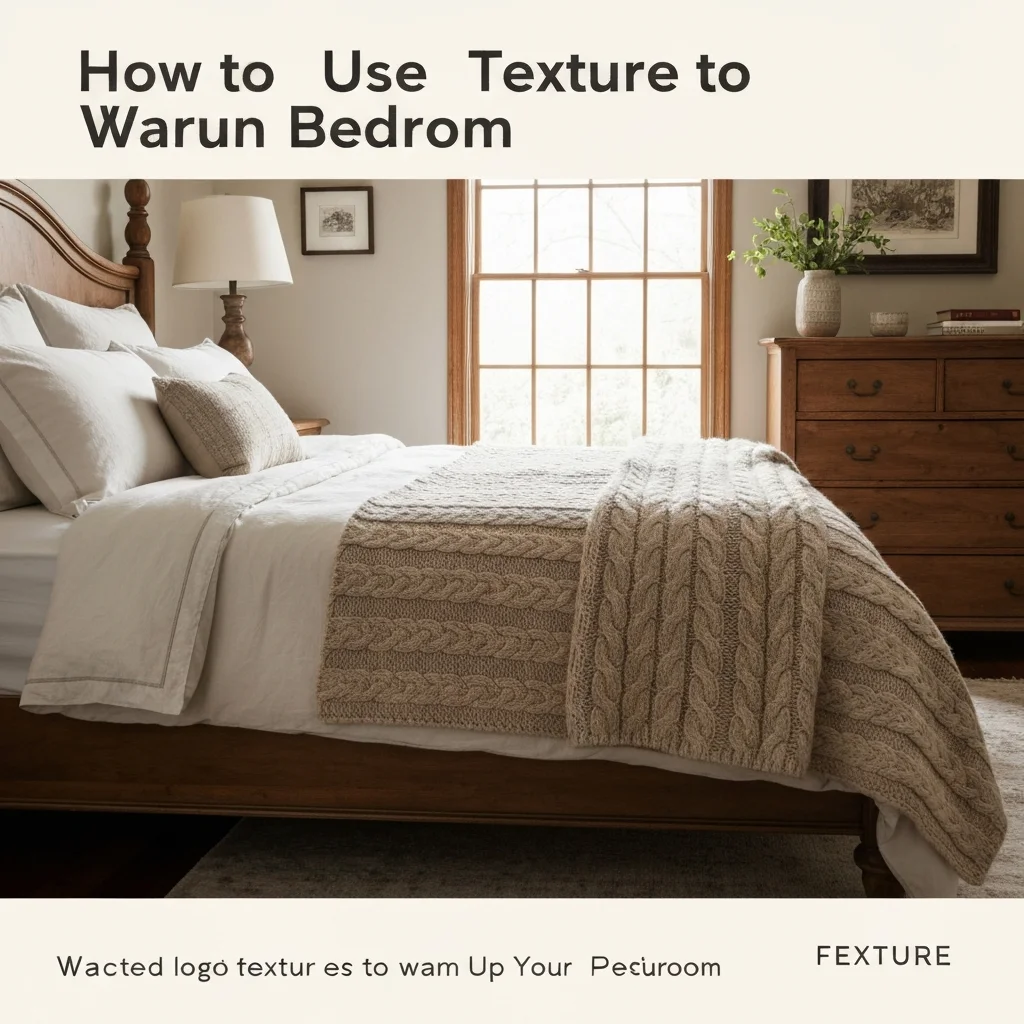
Walking into a cold, flat bedroom feels like stepping into a hospital room. You don’t want that. You want a space that hugs you when you walk in. The secret isn’t just paint or furniture—it’s texture.
Learning how to warm up your bedroom with texture transforms a lifeless room into a personal sanctuary. Think about it: a chunky knit blanket, a velvet cushion, a jute rug underfoot. Each layer adds depth and invites touch. Let’s break down exactly how to do it, room by room (well, bedroom by bedroom).
Why Texture Is the Secret to a Cozy Bedroom
Color and lighting matter, sure. But texture creates an emotional response. A room filled with glass, metal, and flat linen feels cold even with warm paint on the walls. Your brain registers tactile comfort long before your conscious mind does.
By mixing rough with smooth, soft with structured, you trick the eye into seeing warmth. It’s physics and psychology working together. When you’re looking for cozy bedroom design ideas, start with what you can touch, not just what you can see.
Layer Your Bedding Like a Pro
Your bed is the biggest canvas in the room. Treat it like one. Start with a crisp cotton sheet, then add a textured duvet cover—think washed linen or brushed microfiber. Then comes the fun part: the layers.
- A chunky knit throw draped across the foot of the bed
- Velvet or faux-fur cushions in warm tones like rust or cream
- A quilted bedspread folded at the side for extra depth
Mixing these bedroom texture ideas creates visual interest without adding clutter. Your bed becomes a pile of pillows and blankets you actually want to crawl into. No more making the bed perfectly—embrace the messy, inviting look.
Add a Rug—Even if You Have Carpet
Many people think rugs are only for hardwood floors. Wrong. A rug on carpet adds texture, defines zones, and absorbs sound. It’s one of the fastest ways to achieve that warm, layered feel.
Go for a high-pile shag, a wool Berber, or a flatweave jute with a sheepskin on top. The contrast between smooth carpet and a textured rug makes the room feel intentionally designed. For warm winter bedroom decor, a thick shag rug by the side of the bed changes the entire morning experience.
Choose Window Treatments With Depth
Bare windows kill the cozy vibe. But not all curtains are equal. Sheer panels add softness, while thick velvet or linen drapes create weight and privacy. The key is to hang them high and wide—right below the ceiling—to make the room feel taller.
If you want to get technical, mix two layers: a light-filtering sheer behind a heavier textured panel. This gives you control over light and temperature while adding that vital tactile dimension. It’s a simple trick in bedroom design that delivers big returns.
Use Natural Materials for Warmth
Wood, stone, rattan, and wool bring organic texture that man-made materials can’t replicate. You don’t need a full renovation. A small rattan chair, a wooden headboard, or a woven storage basket does the job.
Table: Quick Guide to Natural Textures
| Material | Best Used For | Warmth Factor |
|---|---|---|
| Wool | Throws, pillows, rugs | High |
| Linen | Duvets, curtains | Medium |
| Rattan | Furniture, light fixtures | Medium |
| Sheepskin | Rug or chair cover | Very High |
| Washed Cotton | Bed sheets, pillowcases | Low-Medium |
Combine these materials intentionally. A wool throw on a linen duvet with a rattan lamp beside the bed—that’s texture harmony.
Don’t Forget the Walls and Ceiling
Most people stop at furniture and fabrics. But texture can live on your walls too. Think of a shiplap accent wall, a grasscloth wallpaper, or a simple fabric headboard. Even a gallery wall with woven art adds tactile depth.
For the ceiling, a coffered design or wood beams inject instant warmth. If that’s too much, try a textured paint or a removable wallpaper on one wall. Your eyes need something to grab onto besides flat drywall.
Lighting That Highlights Texture
Lighting isn’t about texture itself, but it reveals it. Use warm bulbs (2700K max) and multiple light sources: a bedside lamp, a floor lamp, and maybe a dimmable overhead. Avoid bright white light—it flattens everything.
Place a lamp near a textured wall or a chunky knit throw. The shadows and highlights will make the materials pop. This is a pro trick for anyone serious about layering textiles in bedroom spaces.
Frequently Asked Questions
What’s the easiest way to add texture to a bedroom?
Start with your bed. Add one chunky throw and two different-textured pillows. That’s the lowest effort for the highest payoff.
Can I mix too many textures?
Yes. Stick to 3 to 5 different textures maximum. Too many feels chaotic. Use a neutral color palette to tie them together.
Do colors matter when adding texture?
Absolutely. Warm tones like terracotta, cream, camel, and sage complement textured materials. Cool blues can work, but they reduce the perceived warmth.
How do I texture a small bedroom without overwhelming it?
Use large-scale textures—a big rug or a full bedding set. Small accents get lost. Also, keep wall textures subtle, like a matte finish or a light grasscloth.
Are synthetic materials okay for bedroom texture?
Yes. Modern microfiber, faux fur, and polyester blends can look and feel great. Just make sure they breathe. Always check the thread count or pile density.
How do I maintain textured bedding and rugs?
Vacuum rugs weekly. Wash throws and duvets according to the label. Fluff faux fur and chunky knits by hand to avoid matting.
What’s one texture to avoid in a bedroom?
High-gloss or very slick materials like cheap synthetic leather. They reflect light harshly and feel cold to the touch, killing the cozy atmosphere.
Conclusion
Texture is the unsung hero of bedroom design. You don’t need a renovation or a huge budget. Start with a rug, a throw, a new pillow cover—small swaps that change how the room feels and functions.
Remember: how to warm up your bedroom with texture isn’t about layering for show. It’s about creating a space that feels safe, soft, and personal. Walk into your bedroom tonight and ask yourself: do I want to touch this room? If the answer is no, it’s time to add texture.


