
Living Room Hacks That Save Space and Style
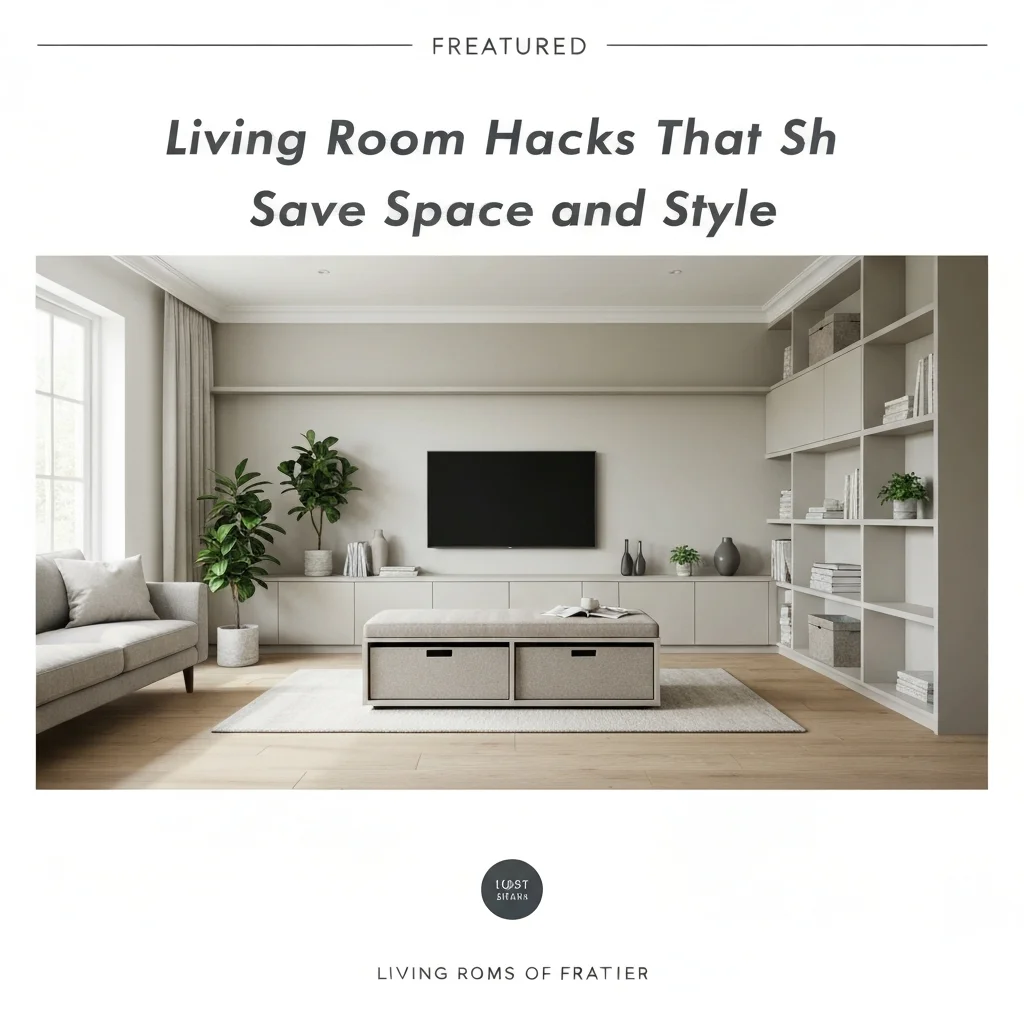
Let’s be real: a cramped living room doesn’t have to feel like a closet. With the right living room hacks, you can open up floor space, add storage, and keep your style intact. Whether you’re renting a tiny apartment or just want to maximize a modest family room, these actionable ideas will transform your layout. We’re talking furniture that does double duty, clever vertical storage, and design tricks that make the room feel twice as big. Ready to turn your small space into a showstopper?
Why Smart Living Room Hacks Matter More Than Ever
Urban living means smaller square footage. But your living room is the heart of your home—where you relax, entertain, and unwind. That’s why space saving furniture and multifunctional living room setups are game-changers. They let you do more with less clutter. A well-hacked room feels open, organized, and inviting.
Beyond the aesthetic, these solutions save you money. Why buy a separate coffee table, storage bin, and ottoman when one piece can serve all three roles? By prioritizing function, you also reduce visual noise. The result? A calm, curated space that works for your real life.
Furniture Hacks: Pick Pieces That Pull Double Duty
Stop buying furniture that only does one thing. Smart space saving furniture is the backbone of any small living room. Look for items with hidden compartments or convertible features.
- Storage ottomans: Use as a footrest, extra seat, and a place to stash blankets or magazines.
- Nesting tables: Keep one out for daily use, and slide the others under when guests arrive for extra surface space.
- Sleeper sofas or daybeds: Perfect for overnight guests without sacrificing seating area.
- Console tables behind the sofa: Use for lamps, books, or as a makeshift desk—without taking up floor space.
Pro tip: Choose furniture with legs. Exposed legs make the room feel airier than bulky, floor-hugging pieces. It’s a simple trick that visually expands your floor space instantly.
Vertical Storage: Use Your Walls Like a Pro
When floor space is limited, go up. Vertical storage is one of the most effective living room storage solutions. It draws the eye upward, making ceilings feel higher and the room bigger.
Install floating shelves above your TV or sofa. Use them for plants, books, or curated decor. You can also mount a wall unit that combines shelves with a media console. For a rental-friendly option, try leaning ladder shelves—no drilling required.
Don’t forget the space above doorways. A shallow shelf up there can hold baskets with seasonal items or extra throws. Every inch counts when you’re working with a small footprint.
Multi-Functional Zones: Define Without Walls
In a combined living-dining room, create zones with rugs, lighting, and furniture placement. This is a key multifunctional living room strategy. A patterned rug defines the seating area; a pendant light over a small table marks the dining zone.
Use a slim console table as a room divider. Place it behind the sofa with stools tucked underneath. It becomes a desk, a buffet, or a serving station. This trick works wonders for open-plan spaces.
Another idea: a folding screen. It can hide a home office corner or a messy play area when guests come over. When you don’t need it, fold it flat and lean it against the wall.
Mirrors and Lighting: The Illusion of Space
Mirrors are your secret weapon. A large mirror opposite a window bounces natural light around the room, instantly doubling the perceived space. Place it above the sofa or lean it against the wall for a casual look.
Layer your lighting: overhead fixtures, floor lamps, and table lamps. Avoid a single harsh ceiling light. Instead, use warm, diffused lamps to create depth. Wall sconces free up floor and table space, perfect for small living room ideas.
If you have a dark corner, a tall floor lamp with an upward shade can visually lift the ceiling. Bright, well-distributed light makes any room feel larger and more welcoming.
Declutter Like a Minimalist (Without the Boring Look)
Clutter eats space. To make your living room hacks work, you need to edit what you own. Keep surfaces mostly clear—this doesn’t mean empty, just intentional. Display your favorite three items, not twelve.
Use decorative boxes or baskets to hide remotes, chargers, and mail. A chic tray on the coffee table corrals coasters and candles without spreading out. Under the sofa, slide in flat storage bins for off-season shoes or board games.
Adopt the “one in, one out” rule: every new decor piece replaces an old one. This keeps your space streamlined and your style fresh.
Table: Compare Best Space-Saving Furniture Types
| Furniture Piece | Primary Function | Secondary Uses | Best For |
|---|---|---|---|
| Storage Ottoman | Footrest / Seat | Hidden storage for blankets, books | Tiny living rooms with no cabinets |
| Nesting Tables | Coffee tables | Extra surface for snacks, laptop work | Spaces needing flexible surfaces |
| Wall-Mounted Desk | Workstation | Folds away when not in use | Home offices integrated into living room |
| Sleeper Sofa | Seating | Guest bed | Small apartments with frequent guests |
Choose based on your biggest pain point—lack of seating, no storage, or needing a workspace. Each piece here solves a specific problem while saving square footage.
Color and Pattern Tricks That Open Up the Room
Light colors reflect light and make walls recede. Paint your walls a soft white, pale gray, or beige. If you love color, use it on one accent wall or in your accessories rather than all four walls.
Go for large-scale patterns on rugs or pillows rather than tiny prints. Busy, small patterns can overwhelm a small space. A big geometric rug or a single wide stripe on a curtain reads as calm and expansive.
Match your curtain rods to the ceiling height. Hanging curtains from rod to floor—or even slightly pooling on the floor—creates a vertical line that adds height. It’s one of the easiest small living room ideas with instant impact.
Frequently Asked Questions
1. What is the best way to make a small living room look bigger?
Use mirrors to reflect light, choose furniture with exposed legs, and stick to a light color palette. Multi-functional pieces also reduce clutter, which physically opens up the space.
2. Can I have a large sofa in a small living room?
Yes, but choose a sofa with slim arms and a low back. Sectionals can work if you pick a small-scale version. Avoid deep, plush sofas with wide arms—they eat up visual and physical space.
3. How do I add storage without built-in cabinets?
Use storage ottomans, baskets under the coffee table, floating shelves, and nesting tables. A tall bookcase or a media console with drawers also works well. Look at vertical space first.
4. What color makes a living room feel more spacious?
White, light gray, pale blue, and soft beige are top choices. They reflect light and create an airy feel. Pair them with pops of color in small accessories like pillows or artwork.
5. Is a rug necessary in a small living room?
Not mandatory, but a well-chosen rug can define the space and add warmth. Choose a rug that extends under all key furniture pieces. A small rug that floats in the middle actually makes the room feel smaller.
6. How can I hide electronics and cords?
Use cord covers that match your wall color, or run cables behind a console table. Decorative baskets can hold routers and power strips. Mount your TV on the wall to free up floor space and hide wires behind it.
7. What is the most underrated living room hack?
Using a console table or a desk as a room divider. It creates a physical boundary without blocking light or airflow. Add two stools, and you have an instant workspace or dining area.
8. Can I use dark colors in a small living room?
You can, but use them strategically. A dark accent wall behind the sofa adds depth. Keep the other walls light. Also, use plenty of lamps and mirrors to prevent the room from feeling like a cave.
Conclusion: Your Small Living Room, Maximized
You don’t need a mansion to have a stylish, functional living room. With these living room hacks, you can reclaim space, reduce clutter, and keep your personal aesthetic intact. Start with one or two ideas—like swapping your coffee table for a storage ottoman or adding a large mirror. Small changes compound into a big transformation.
Remember, the goal is a room that works for how you actually live. Embrace multifunctional living room furniture, think vertically, and keep surfaces intentional. Your space will feel larger, look better, and serve you beautifully every single day.


