
Ways to Warm Up a Sterile Living Room
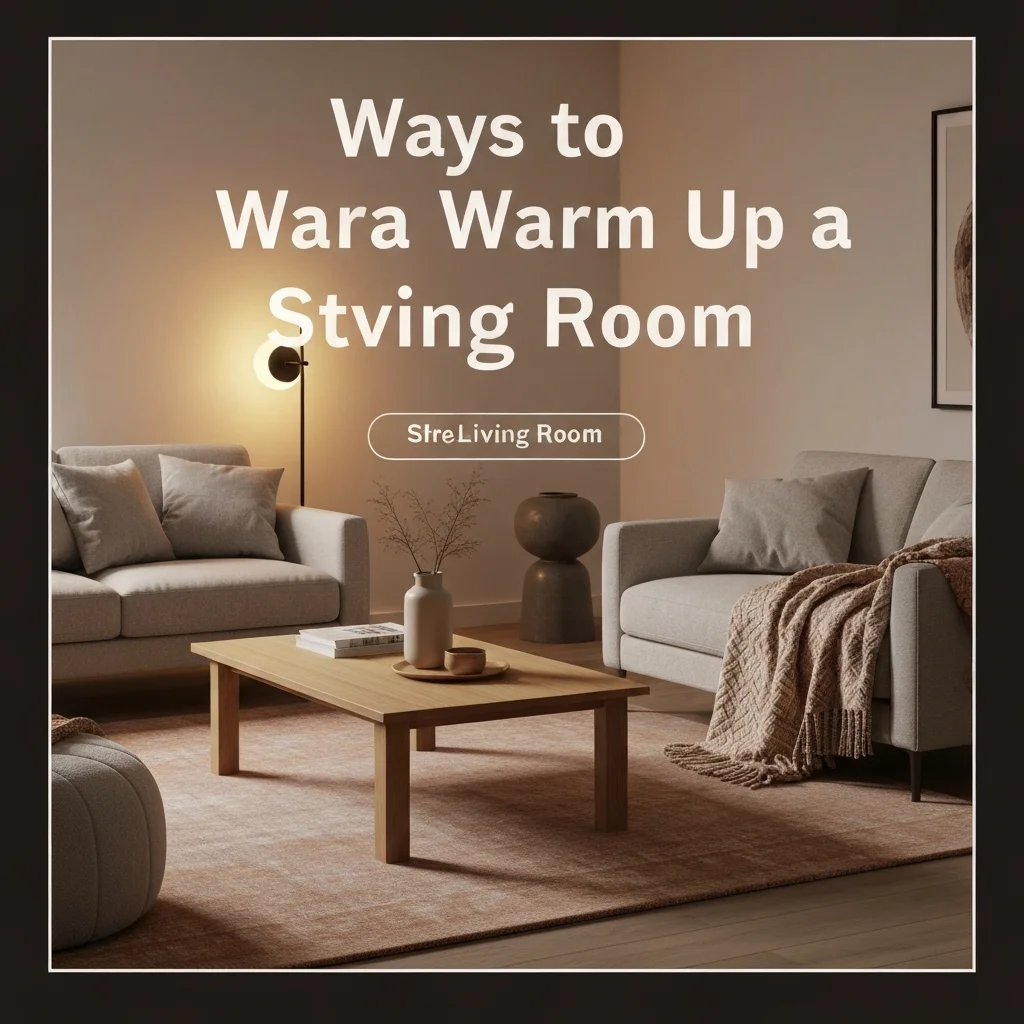
A living room should feel like a hug, not a doctor’s waiting room. If your space leans too clinical—all white walls, cold floors, and sharp edges—you are not alone. Many modern homes sacrifice coziness for clean lines. The good news? There are simple, designer-approved ways to warm up a sterile living room without losing its polished look. Let’s dive into practical strategies that blend comfort with style.
1. Layer Textures Like a Pro
Texture is the quickest shortcut to warmth. In a sterile room, everything feels flat and smooth. Break that monotony by mixing materials. Think chunky knit throws over a sleek sofa, a shaggy rug on polished concrete, and linen curtains brushing the floor.
Don’t be afraid to combine opposites: velvet pillows on a leather chair, or a jute rug under a glass coffee table. This creates visual interest and invites touch. Even adding a single textured piece—like a wool pouf or a woven basket—can shift the energy of the entire room.
For maximum impact, aim for at least three different textures in any vignette: soft, rough, and smooth.
2. Introduce Warm Lighting Layers
Overhead lighting is the enemy of coziness. A single harsh ceiling fixture makes a room feel cold and institutional. To warm up a sterile living room, you need a “lighting layer cake.”
Start with ambient light (floor lamps or dimmable overheads), add task lighting (a reading lamp next to the sofa), and finish with accent lights (picture lights or candles). Warm color temperature bulbs—2700K to 3000K—are non-negotiable. They mimic the glow of firelight.
Place floor lamps in corners to cast soft shadows, and use table lamps on side tables at eye level. Dimmer switches are a game-changer. They let you adjust the mood from “bright and productive” to “wine and chill” in seconds.
3. Bring Nature Indoors
Plants are living decor. They add organic shapes, green hues, and a sense of life that sterile rooms desperately need. A fiddle-leaf fig in a corner or a cluster of small succulents on a shelf breaks the rigid geometry.
If you lack a green thumb, go for high-quality faux plants or dried arrangements (eucalyptus, pampas grass, or preserved moss). Natural materials like wood, stone, and rattan also count. A live-edge wood coffee table or a stone vase instantly grounds a cold space.
The goal is to introduce asymmetry and imperfection—the opposite of a sterile, uniform look.
4. Soften Hard Surfaces with Rugs and Fabric
Hardwood, tile, and concrete floors are beautiful, but they can feel cold and echoey. An area rug is your best friend here. Choose one that is large enough to anchor your seating area—all front legs of the furniture should rest on it.
Go for high-pile or wool rugs for maximum softness underfoot. In a neutral room, a rug with a subtle pattern or a warm tone (terracotta, mustard, rust) adds both color and comfort. Layer a smaller, contrasting rug on top for a boho, collected-over-time feel.
Don’t forget upholstery. If your sofa is leather or microfiber, add fabric cushions and a quilted throw. Slipcovers in linen or cotton can also soften a rigid frame.
5. Curate a Warm Color Palette
You don’t have to paint every wall beige. Warmth comes from undertones. Instead of stark white, choose off-white with yellow or pink undertones (like alabaster or cream). Swap cool grays for greiges (gray-beige) or warm taupes.
Add accent colors that feel inherently cozy: deep burgundy, burnt orange, olive green, or navy. These colors absorb light rather than reflect it, making the room feel more intimate. Use them in pillows, art, or a single accent chair.
If you love an all-neutral look, stick to whites, creams, and beiges but vary the saturations. A monochromatic palette with tonal variation feels sophisticated, not sterile.
6. Add Personal, Imperfect Touches
A sterile room often looks like a showroom—perfect but impersonal. To warm it up, you need “soul.” Display books that you actually read, stack them on the coffee table. Show pottery with visible hand-thrown ridges. Hang art that tells a story, even if it’s a child’s drawing framed nicely.
Mix vintage finds with new pieces. A mid-century side table next to a modern sofa creates visual tension that feels curated, not cold. Even a tray with remotes, coasters, and a candle anchors the space and says “someone lives here.”
The trick is to balance curated with comfortable. Aim for 80% collected, 20% perfect.
Quick Fix vs. Big Impact: A Comparison
| Change | Cost | Time | Warmth Impact |
|---|---|---|---|
| Add throw pillows & blanket | $ | 5 minutes | Medium |
| Swap light bulbs (2700K) | $ | 10 minutes | High |
| Add a large area rug | $$ | 30 minutes | Very high |
| Paint walls warm white | $$ | 1 day | High |
| Install dimmer switch | $ | 1 hour | Very high |
Frequently Asked Questions
What is the fastest way to warm up a sterile living room?
Swap your light bulbs to warm white (2700K) and add a chunky knit throw. This takes five minutes and instantly changes the room’s mood.
Can I warm up a room without adding color?
Absolutely. Focus on texture, lighting, and natural materials. A cream-on-cream room with linen, wool, and wood will feel rich, not cold.
How many plants do I need to make a difference?
Even one large statement plant (like a monstera or fiddle-leaf fig) can transform a corner. Three plants of varying heights work best for a layered effect.
Should I avoid gray entirely when trying to add warmth?
Not at all. Choose warm grays with brown or taupe undertones instead of blue or green undertones. Pair them with wood and cream accents.
What type of rug is best for a sterile room?
A wool or shag rug with a high pile. Look for warm colors or subtle patterns. The larger the rug, the cozier the space feels.
How important is furniture arrangement?
Very. Pull furniture away from walls to create conversation zones. A floating arrangement with a central coffee table feels more intimate than lining everything against the walls.
Can metallic finishes look warm?
Yes. Choose brass, copper, or bronze over chrome or silver. These warm-toned metals reflect light softly and pair beautifully with velvet and wood.
Do candles really help?
Yes—scented candles add warmth through flickering light and smell. Vanilla, sandalwood, and cinnamon notes create sensory coziness.
Conclusion
A sterile living room doesn’t need a full renovation. With a few intentional tweaks—warmer lighting, softer textures, natural elements, and personal touches—you can create a space that feels both elegant and inviting. Start with one change today. Your living room should be a sanctuary, not a stage. By applying these ways to warm up a sterile living room, you’ll transform your space into a cozy retreat you’ll never want to leave.


