
Bathroom Trends That Will Upgrade Your Daily Routine
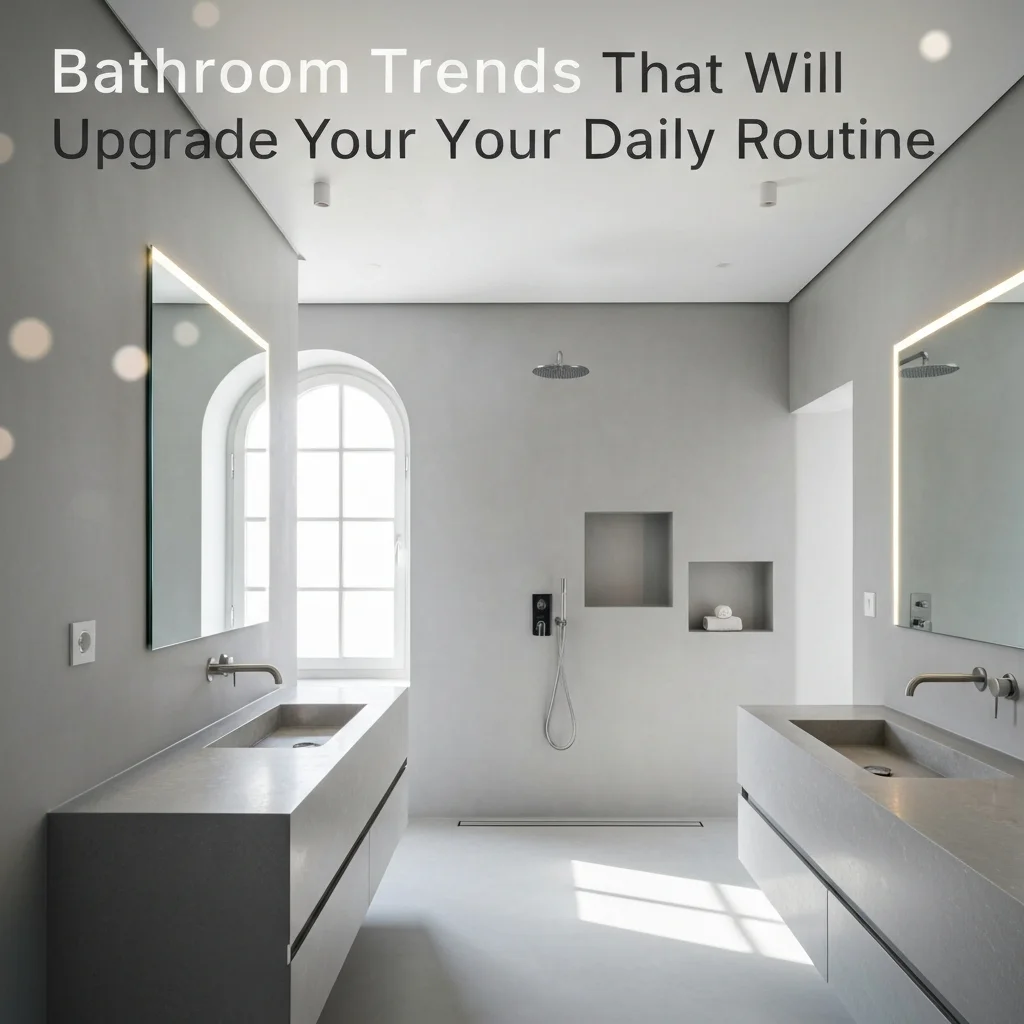
Your bathroom is more than a utility space—it’s where your day begins and ends. And if it feels stuck in 2015, you’re missing out on features that can actually streamline your morning rush and turn your evening wind-down into a mini-retreat.
We’ve analyzed the top bathroom trends shaping modern homes. These aren’t just fleeting fads; they’re practical upgrades that add comfort, value, and a touch of luxury to your daily routine. Let’s dive into the six trends you’ll want to consider for your next renovation.
1. The Rise of the Wet Room: Seamless and Spacious
Gone are the days of bulky shower enclosures and separate tubs. The wet room—a fully waterproofed bathroom where the shower area is open and level with the rest of the floor—is a top modern bathroom design choice.
Why it works: It makes even a small bathroom feel larger. There’s no glass door to clean, and the open layout is incredibly accessible. For a spa bathroom idea, add a linear drain and a rainfall showerhead.
Just ensure your contractor uses proper sloping (at least 1/4 inch per foot) toward the drain. Pair it with heated flooring, and you’ve got a shower that feels like a warm embrace every morning.
2. Smart Mirrors: Your New Morning Assistant
Smart fixtures are at the heart of current bathroom trends. The smart mirror is the standout star. Picture this: you step into the bathroom, and the mirror lights up with a soft, adjustable glow. It shows the weather, your calendar, and even the time—without fogging up.
Features to look for include anti-fog technology, built-in LED lighting with color temperature adjustment (cool for morning, warm for evening), and Bluetooth speakers for your podcast or playlist.
Integrating smart bathroom fixtures like this isn’t gimmicky—it’s genuinely useful. It saves you from grabbing your phone just to check the day’s schedule.
3. Organic Materials and Earthy Tones
After years of stark white and gray, the pendulum is swinging toward warmth. 2025’s spa bathroom ideas lean heavily on natural textures: warm wood vanities, matte terracotta tiles, and stone vessel sinks.
The goal is to create a calming, grounding atmosphere. Think of a Japanese onsen or a high-end spa. Use materials like handmade zellige tiles for the backsplash—their slight irregularities add character and depth.
Color-wise, consider sage green, sandy beige, and soft clay. These hues work beautifully with greenery (yes, add a low-light plant like a snake plant or pothos) to purify the air and soften the space.
4. Minimalist Storage That Disappears
Clutter is the enemy of relaxation. One of the most practical bathroom renovation tips is to invest in integrated, hidden storage. Think vanity drawers with built-in dividers for hair tools, recessed medicine cabinets with outlets inside, and tall, slender linen towers.
A floating vanity not only looks sleek but also offers a place for a small stool or scale. Use the wall space above the toilet with a narrow cabinet rather than a traditional over-the-toilet shelf.
Here’s a quick checklist to declutter visually:
- Install a recessed niche in the shower for bottles (no wire caddies).
- Use matching, refillable containers for soap and shampoo.
- Keep only your daily skincare on the counter; store the rest out of sight.
5. The Return of the Statement Tub (But With a Twist)
Freestanding tubs aren’t going anywhere, but the shape is evolving. Instead of the classic clawfoot or oval, designers are choosing sculptural, asymmetrical forms. Think of a stone-resin tub that looks like a natural boulder or a deep Japanese soaking tub (ofuro).
These aren’t about quick showers—they’re about dedicated relaxation. To complete the spa bathroom idea, place the tub near a window with a garden view, or under a skylight for starry baths at night.
Floor-mounted tub fillers (instead of wall-mounted ones) add a striking architectural detail. This is a high-end upgrade that dramatically changes the room’s focal point.
6. High-Tech Toilets: Comfort Meets Hygiene
Perhaps the most practical of all smart bathroom fixtures is the bidet toilet. Models from brands like Toto (Washlet) or Kohler are now standard in modern bathroom design. Features include heated seats, warm water wash, air dryers, and self-cleaning functions.
For a quick comparison, here’s a table of the common upgrades:
| Feature | Standard Toilet | Smart Bidet Toilet |
|---|---|---|
| Seat Temperature | Cold | Adjustable heated |
| Water Use Per Flush | 1.6 GPF | 0.8 – 1.0 GPF (dual flush) |
| Cleaning | Manual scrub | Self-cleaning wand & UV light |
| Hygiene Features | None | Front/rear wash, blow dryer |
This one upgrade can pay for itself in reduced toilet paper usage. Plus, the warm seat on a cold morning? Priceless.
Frequently Asked Questions (FAQ)
1. What is the most popular color for bathrooms in 2025?
Earthy greens and warm beiges are leading the trend. They pair well with natural wood and stone, creating a serene, grounded feel. White is still popular, but it’s now often used as an accent against warmer tones.
2. Are bathroom trends worth the investment?
Yes, especially if you focus on water efficiency and smart technology. Features like dual-flush toilets and LED mirrors add immediate value and appeal to future buyers. Timeless finishes (like matte brass) also hold their value.
3. How can I make my bathroom feel like a spa on a budget?
Start with the small things: a rainfall showerhead, a teak bath mat, plush towels, and dimmable lighting. Add a few eucalyptus branches to the shower for an aromatherapy effect. You don’t need a full gut renovation.
4. What is the best flooring for a modern bathroom design?
Large-format porcelain tiles are ideal. They have few grout lines (easier to clean), look like natural stone or wood, and are extremely durable. Heated flooring under the tile is worth the extra cost.
5. Is a wet room practical for small bathrooms?
Absolutely. In fact, it’s one of the best ways to maximize a small space. Removing the shower enclosure and replacing the tub with a walk-in shower can visually (and actually) open up the floor plan. Just ensure good ventilation.
6. Do smart bathroom fixtures save money?
In the long run, yes. Smart toilets use less water per flush. Smart mirrors with LED lights use less energy than traditional bulbs. Motion-sensor faucets reduce water waste. The upfront cost is higher, but the savings add up over time.
7. How do I choose between a freestanding tub and a built-in?
Use this rule: if you want a dramatic focal point and have the floor space (at least 5 feet of clearance on one side), go freestanding. If you need storage or the room is small, a built-in alcove tub can still look beautiful with a tile skirt.
Conclusion
Upgrading your space with 2025’s bathroom trends isn’t about following the crowd—it’s about optimizing your environment for better mornings and more restful evenings. Whether you commit to a full wet room or simply swap your mirror for a smart one, each change is a step toward a more functional, beautiful, and personally satisfying bathroom.
Start small if you need to. Swap your shower curtain for a glass panel. Add a single eucalyptus plant. The best renovation is the one that makes you look forward to brushing your teeth again. Ready to start planning your own upgrade? Share which trend you’re most excited to try in the comments below.


