
Bathroom Design Secrets from Designers
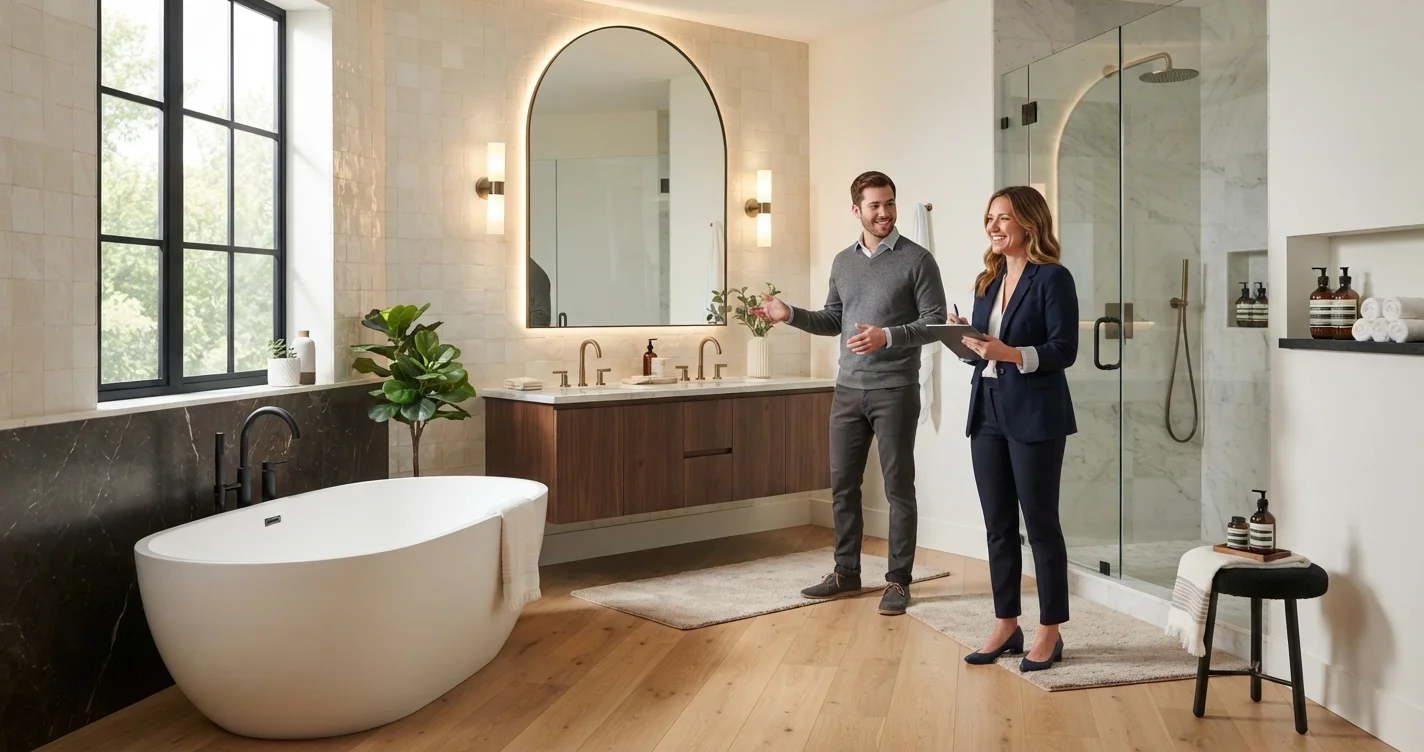
Have you ever walked into a bathroom and felt instantly calm—or completely overwhelmed? The difference often comes down to intentional design choices. Top designers don’t rely on luck; they follow a set of proven principles that transform ordinary bathrooms into functional, beautiful spaces.
In this article, I’ll share the bathroom design secrets that professionals use to maximize square footage, choose timeless materials, and create a cohesive look. Whether you’re planning a full remodel or a simple refresh, these insights will help you avoid costly mistakes and achieve a magazine-worthy result.
1. Prioritize Layout Over Square Footage
Designers know that a smart layout matters more than how big the room is. The golden rule? Create a clear “wet zone” and a “dry zone.” Position the shower and tub together if possible, and leave the vanity and toilet on the opposite wall.
For small bathroom layout ideas, consider swapping a traditional tub for a walk-in shower. This alone can free up 10 to 15 square feet. Another pro trick: use a pocket door instead of a swinging one. It eliminates the clearance needed for the door and gives you more usable wall space.
- Place the toilet away from the entrance for privacy.
- Keep the vanity at least 30 inches wide for comfort.
- Allow 24 inches of clear space in front of the toilet.
- Use a corner sink to save floor space in narrow rooms.
“I always start with the plumbing rough-in,” says interior designer Maria Lopez. “You can’t fight the pipes, so work with them to define the zones.” This practical approach is one of the most powerful bathroom design secrets for any size space.
2. Invest in Luxury Bathroom Finishes That Last
Trends come and go, but quality finishes age gracefully. Designers recommend spending your budget on three key areas: flooring, countertops, and fixtures. Cheap materials often look dated within a few years, while stone, porcelain, and brushed metal hold their value.
For luxury bathroom finishes, think beyond marble. Quartz composites offer the same elegance without the maintenance. Large-format tiles (24”x48”) minimize grout lines and make the room feel bigger. When choosing fixtures, stick to a single metal finish—brushed nickel or matte black are designer favorites because they hide water spots.
| Material | Best For | Cost per Sq Ft |
|---|---|---|
| Porcelain | Flooring & shower walls | $5–$15 |
| Natural Stone | Vanity top & accent wall | $20–$50 |
| Quartz Composite | Countertops | $60–$100 |
| Brass or Bronze | Faucets & showerhead | $100–$300 per piece |
Mixing too many materials creates visual chaos. Stick to two or three complementary textures. For example, pair matte black fixtures with warm wood accents and white marble-look tile. This balance is a hallmark of spa bathroom design.
3. Light in Layers, Not Just One Fixture
The biggest mistake homeowners make is relying on a single overhead light. Professional designers use three layers of illumination: ambient, task, and accent. Ambient light fills the room (think recessed cans or a flush mount). Task light targets the mirror area for shaving or makeup application.
Follow these bathroom lighting tips from the pros: install sconces on both sides of the mirror at eye level (60 to 65 inches from the floor). This eliminates shadows on your face. Avoid placing a single light above the mirror—it creates harsh shadows under the eyes and chin.
Finally, add accent lighting inside the shower or under the vanity. A small LED strip along the toe kick gives the room a floating effect and serves as a nightlight. Dimmable bulbs let you transition from bright morning routines to a relaxing evening bath.
4. Embrace Negative Space in Small Bathrooms
Cluttered countertops instantly make a bathroom feel cramped. Designers intentionally leave empty surfaces. A floating vanity with a wall-mounted sink frees up floor space and creates an airy look. For storage, use tall, narrow cabinets that don’t crowd the visual field.
One surprising secret for small bathroom layout ideas is to use a clear glass shower door instead of a curtain. Even if the room is tiny, glass allows your eye to travel to the back wall, making the space feel larger. Pair this with a large mirror—ideally, one that spans the entire vanity width.
“People try to cram too much into a small bathroom,” says design consultant James Park. “But empty floor space is a luxury. Let the room breathe.” Apply this principle to your wall decor too: one large art piece works better than three tiny frames.
5. Create a Spa Bathroom Design with Texture
A spa isn’t just about candles and eucalyptus. Real spa bathroom design relies on tactile variety. Combine smooth surfaces (like polished tile) with rough ones (like natural stone or textured wallpaper). This contrast stimulates the senses without adding visual clutter.
Incorporate natural elements where possible. A wooden bath mat, a teak bench in the shower, or woven baskets for towels bring warmth into a typically cold room. Designers also recommend using matte finishes on walls and glossy finishes on floors—this adds depth and makes cleaning easier.
Don’t forget the ceiling! Painting it a soft, slightly darker shade than the walls (or adding a subtle coffered pattern) draws the eye upward and makes the room feel taller. This detail is often overlooked but instantly elevates the space.
6. Choose a Cohesive Color Palette
Designers rarely use more than three colors in a bathroom. The most common approach: one neutral base (white, beige, or gray), one accent color (such as navy or sage green), and one metallic or wood tone. This keeps the space looking intentional and calm.
For a timeless look, avoid high-contrast combinations like pure black and white unless you have excellent natural light. Instead, try warm white walls with a taupe floor and brass fixtures. That softness is a core element of spa bathroom design that feels both fresh and enduring.
Test your paint color on the wall before committing. A color that looks perfect on the swatch can change dramatically under bathroom lighting. Look at it at three different times of day to be sure it works.
Frequently Asked Questions
What is the most important rule in bathroom design?
The “working triangle” between the sink, toilet, and shower should be unobstructed. This ensures smooth movement and safety, especially in smaller spaces.
How do I make a small bathroom look bigger?
Use large-format tiles, a frameless glass shower door, and a wall-hung vanity. Keep the color palette light and avoid busy patterns that chop up the space visually.
Should I match my bathroom hardware to the same finish?
Yes. Consistency in faucets, towel bars, and showerheads creates a cohesive look. Mixing metals is possible but requires a designer’s touch—stick to one finish for simplicity.
What flooring is best for a bathroom?
Porcelain tile is the top choice because it’s waterproof, durable, and available in many looks. Natural stone is beautiful but requires sealing every year.
How can I add luxury without breaking the bank?
Invest in a high-quality faucet and a stylish mirror. These two items get the most visual attention and can elevate a budget tile or vanity instantly.
What is the ideal lighting for a bathroom mirror?
Two sconces placed 36 to 40 inches apart at eye level (60 inches from the floor) provide the most flattering and functional light for grooming.
Do I really need an exhaust fan?
Absolutely. A properly sized fan prevents mold, mildew, and paint peeling. Choose one with a sone rating of 1.0 or lower for quiet operation.
How do I choose between a bathtub and a shower?
If you have more than one bathroom, keep at least one tub for resale value. In a master suite, a large walk-in shower is more practical and popular with buyers.
Conclusion
Great bathroom design isn’t about following trends—it’s about applying time-tested principles that make a room work better for you. From smart small bathroom layout ideas to investing in luxury bathroom finishes, every decision should serve both function and beauty.
Remember these bathroom design secrets: prioritize layout, layer your lighting, leave negative space, and choose textures and colors that calm the mind. Whether you’re planning a full renovation or just a weekend refresh, these expert strategies will help you create a bathroom you’ll love for years to come.
Start with one change—maybe a new light fixture or a fresh coat of paint—and see how it transforms your daily routine. Your personal spa is closer than you think.


