
The Best Bathroom Colors for Relaxation
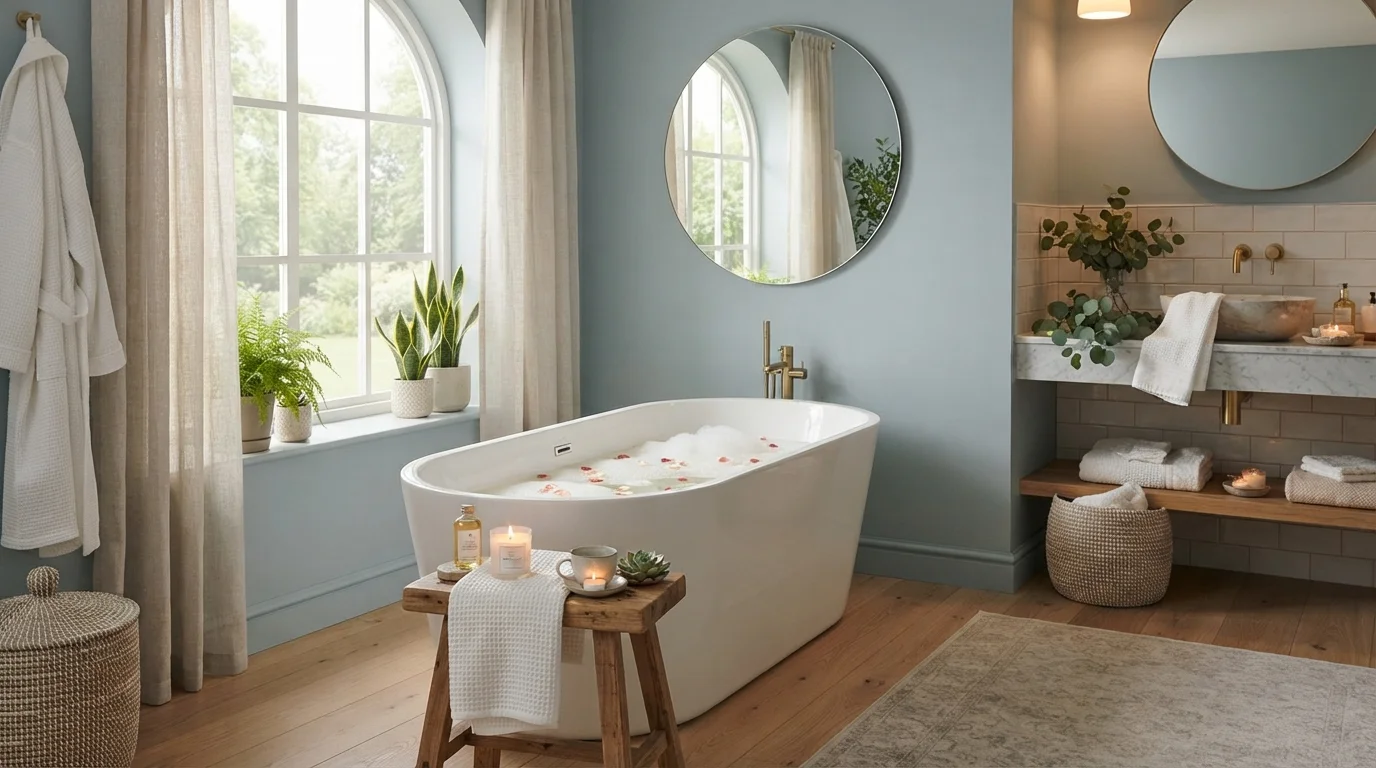
Your bathroom should feel like a personal sanctuary. After a long day, it’s often the only room where you can lock the door, breathe, and reset. But if your walls are painted a harsh white or a jarring red, relaxation might be the last thing on your mind.
Choosing the best bathroom colors for relaxation isn’t just about trends; it’s about psychology and how light interacts with pigment. The right hue can lower your heart rate, soften your mood, and make your morning routine feel like a mini spa visit.
In this guide, I’ll walk you through the top shades for a truly calming bathroom, plus pro tips on finishes, lighting, and accent choices. Let’s turn your bathroom into a stress-free zone.
Why Color Psychology Matters in Bathroom Design
Color directly impacts your nervous system. Cool tones like blue and green signal safety and calmness to the brain. Warm, muted earth tones create a sense of grounding and intimacy. That’s why you rarely see bright orange or neon yellow in a luxury spa.
For a relaxation-focused bathroom, you want colors that lower cortisol levels and promote a sense of peace. Avoid high-contrast or overly stimulating shades. Instead, opt for low-saturation, mid-to-dark value colors that wrap the room like a cozy blanket.
Also consider the bathroom’s natural light. A north-facing room with cool light benefits from slightly warmer shades, while a sun-flooded south-facing bath can handle deeper, moodier pigments.
Top Hues for a Relaxing Bathroom Palette
Here are the most effective colors to create a serene bathroom. Each one has a distinct mood and works best with specific lighting and fixtures.
1. Soft Sage Green
Sage green mimics nature and reduces eye strain. It feels fresh without being cold, and it pairs beautifully with white marble or oak vanities. I’ve used it in small bathrooms to make the space feel bigger yet grounded. Try Benjamin Moore’s “Sage” or Sherwin-Williams “Green Relaxation.”
2. Dusty Blue
Dusty blue combines the calm of blue with the warmth of gray. It’s perfect for a master bathroom where you want a subtle coastal or coastal-farmhouse vibe. Pair it with brushed brass fixtures and textured towels for a luxurious finish.
3. Warm Greige (Gray + Beige)
Greige is the ultimate neutral for relaxation. It doesn’t judge, and it adapts to any decor style—modern, traditional, or boho. A light-to-mid greige works well in windowless bathrooms where you need soft reflection without glare.
4. Pale Terracotta
Terracotta brings earthy warmth without being overwhelming. It’s a great choice if you love a desert-inspired or Mediterranean look. Use it on a single accent wall or in powder rooms, and balance it with cream or white tile.
5. Muted Lavender
Don’t dismiss lavender as “too feminine.” A muted, grayish lavender is incredibly calming and encourages deep relaxation. It’s especially effective in bathrooms with good natural light, where it shifts between blue and pink tones throughout the day.
6. Charcoal or Dark Slate
Dark colors are underrated for relaxation. A charcoal or slate wall creates a cocooning effect, making the bathroom feel intimate and private. Use it in a larger bathroom with plenty of lighting, and always add warm wood accents to keep it from feeling sterile.
How to Coordinate Colors with Bathroom Fixtures and Decor
The best bathroom colors for relaxation don’t live in a vacuum. They interact with your tile, vanity, shower curtain, and lighting. Here’s a quick starting guide:
- White or marble tile: Works with any color, but best balances dark greens and charcoals.
- Warm wood vanity (oak or walnut): Pairs beautifully with sage green, greige, and terracotta.
- Black or matte black fixtures: Creates a dramatic contrast with pale blues and lavender.
- Brass or gold accents: Warms up dusty blues, charcoals, and white bathrooms.
- Natural textiles (linen, bamboo, cotton): Soften any color palette and add texture.
Don’t forget about the ceiling. Painting the ceiling a slightly lighter version of your wall color creates a seamless, serene envelope effect that helps you feel enclosed and safe.
Comparing Calming Color Schemes: A Quick Reference Table
To help you choose the right palette for your specific bathroom, here’s a straightforward comparison of three popular relaxation schemes:
| Color Scheme | Best For | Perfect Pairing | Paint Finish |
|---|---|---|---|
| Sage Green + Cream | Small bathrooms, nature lovers | White subway tile, oak | Eggshell or satin |
| Dusty Blue + White | Coastal or farmhouse styles | Brass fixtures, sea glass | Matte or flat |
| Charcoal + Warm Wood | Large master baths, modern homes | Black hardware, linen curtains | Flat (walls) + semi-gloss (trim) |
Notice the paint finishes. For bathrooms, use eggshell or satin on walls (easy to clean, moisture-resistant) and semi-gloss or gloss on trim and cabinets for durability.
Paint Finishes That Enhance Relaxation (and Last Longer)
Not all paint finishes are created equal, especially in a high-humidity room. The wrong finish can show every water droplet or require constant wiping. For a calm bathroom, you want a finish that diffuses light softly and resists moisture.
I recommend eggshell or matte (if the brand offers a washable matte) for walls. They absorb light gently, reducing harsh reflections that can overstimulate your eyes. For cabinets and trim, go with satin or semi-gloss—they’re easier to clean and maintain.
Always use a high-quality primer and paint with mildew-resistant properties, especially in showers or bathrooms without a window fan. Brands like Sherwin-Williams Duration or Benjamin Moore Aura are excellent for this.
Lighting Tricks to Complement Your Relaxing Color Palette
Color and light are best friends. The same dusty blue can look chilly under cool LED bulbs and cozy under warm incandescent light. To maximize relaxation, use dimmable fixtures with a color temperature between 2700K and 3000K (soft warm white).
Place sconces on either side of the mirror (not above) to reduce harsh shadows on your face. And consider a dimmer switch for overhead lights—being able to lower the brightness instantly changes the room’s mood from functional to meditative.
If your bathroom has natural light, test your paint color at different times of day before committing. Paint swatches on a large piece of foam board and move them around the room.
Frequently Asked Questions
What is the most relaxing color for a bathroom?
Soft sage green is widely considered the most relaxing color for a bathroom. It connects us to nature and has a calming effect without feeling cold. Dusty blue and greige are close runners-up.
Is gray a good color for a relaxing bathroom?
Yes, but choose warm gray (greige) over cool gray. Cool grays can feel sterile and hospital-like, while warm grays create a soft, enveloping sense of comfort. Pair greige with cream accents for the best relaxing effect.
Should I paint the bathroom ceiling a different color?
For maximum relaxation, consider painting the ceiling the same color as the walls (or one shade lighter). This “color drenching” technique eliminates visual breaks and creates a seamless, cocooning effect that feels very spa-like.
Can I use dark colors in a small bathroom?
Absolutely. Dark colors like charcoal or deep navy actually add depth and make a small bathroom feel cozier, not smaller—as long as you have good lighting. Add a large mirror, white fixtures, and a bright floor to balance the darkness.
What paint finish is best for bathroom walls?
Eggshell or satin finishes are best for bathroom walls. They offer a soft sheen that hides imperfections, are easy to wipe clean, and resist moisture better than flat paint. Avoid high-gloss on walls unless you want a very reflective surface.
How do I choose a relaxing color if I have no natural light?
Stick with light-to-mid neutrals like greige, pale sage, or warm white. Avoid anything with a blue undertone (like icy blue) as it can look dirty in artificial light. Use warm 2700K bulbs to keep the space inviting and gentle on the eyes.
Should I follow color trends for my relaxation bathroom?
Trends can be fun, but prioritize what makes you feel calm over what’s popular. Classic tones like sage, dusty blue, and greige have proven relaxing for years. If you want to try a trend, do it with accessories (towels, art, bath mats) rather than permanent wall color.
Conclusion: Your Calm Bathroom Starts with the Right Color
The best bathroom colors for relaxation are the ones that make you take a deep breath the moment you step inside. Whether you choose soft sage green, dusty blue, warm greige, or even a moody charcoal, the key is to keep the saturation low and the intention high.
Don’t rush the decision. Test your paint samples, consider your lighting, and think about how you want the space to feel after a stressful day. With the right color palette, your bathroom can become the most restorative room in your home.
Ready to start painting? Pick one calming shade from this list and trust the process. Your mind—and your mornings—will thank you.


