
Elements Every Stylish Living Room Needs
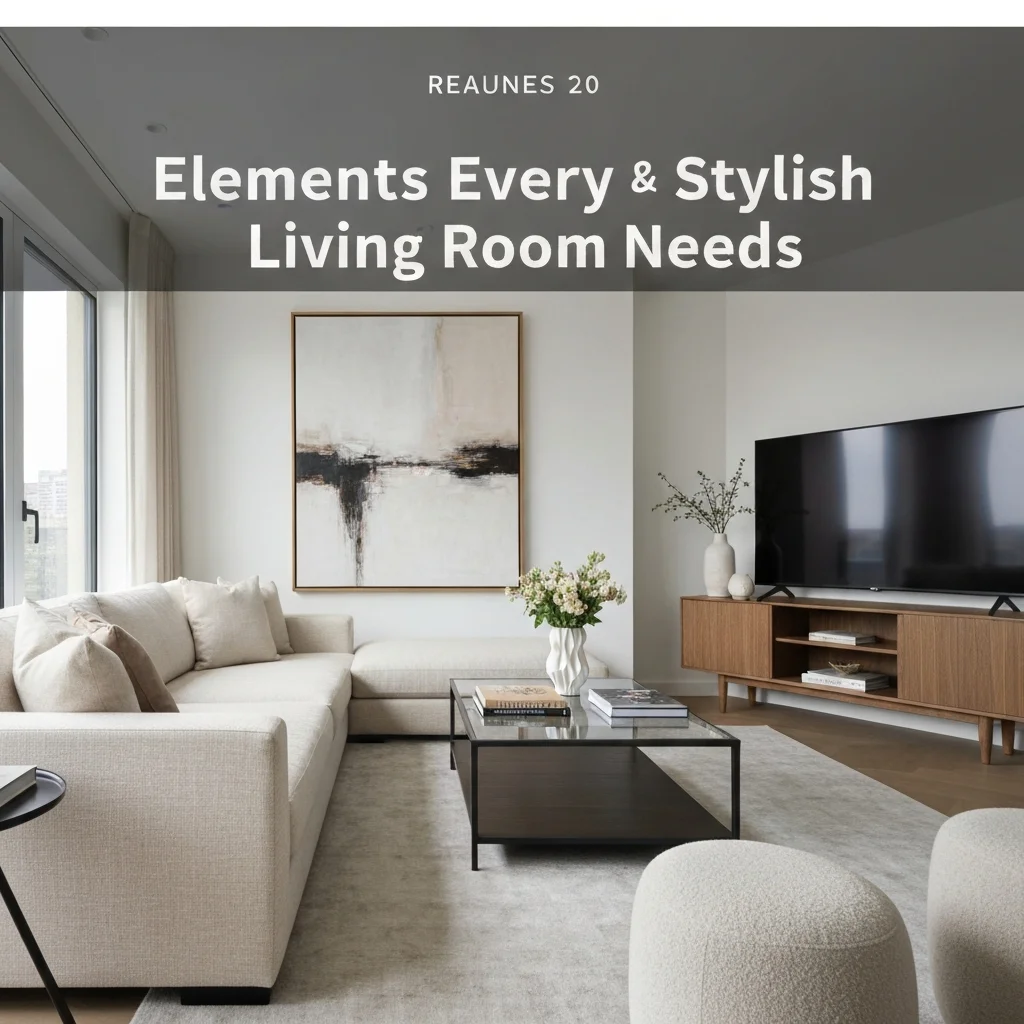
Creating a living room that feels both stylish and functional isn’t about following trends blindly. It’s about layering the right pieces, balancing comfort with aesthetics, and making intentional choices that reflect your personality.
Whether you’re starting from scratch or refreshing your current space, certain elements are non-negotiable for a polished, inviting look. Here are the key components every stylish living room needs, backed by real-world examples and expert insight.
1. A Well-Defined Focal Point
Every great room needs something that grabs your attention the moment you walk in. This could be a fireplace with a sculptural mantel, a large piece of abstract art, or a statement media console.
Your living room focal point anchors the entire layout. Arrange your seating to face or frame this feature. For example, angle two armchairs toward a fireplace with a coffee table between them to create conversation zones.
If your room lacks a natural focal point, create one. A gallery wall with a curated mix of frames or a bold, oversized mirror can do the trick instantly.
2. Layered Lighting for Every Mood
Relying solely on an overhead light is the fastest way to kill a room’s ambiance. Stylish living rooms use three layers of light: ambient, task, and accent.
- Ambient: Recessed cans or a dimmable chandelier for general illumination.
- Task: A sleek floor lamp next to your reading chair or a table lamp on a sideboard.
- Accent: Picture lights over art or LED strips behind the TV console for depth.
Mixing warm and cool tones? Try 2700K–3000K bulbs for a cozy, inviting glow. Dimmers are your best friend here—they let you shift from bright, social lighting to soft, intimate evenings.
3. The Perfect Coffee Table (and What’s On It)
The coffee table is the functional heart of the seating area. Choose one that fits your room’s scale: a round table in a small space softens sharp edges, while a rectangular wood slab adds warmth to a modern layout.
Styling matters just as much as the table itself. Use a living room design ideas staple: a large tray to corral remotes and coasters, a stack of art books, and a small vase with fresh greenery.
Leave about 40% of the surface clear so the table feels curated, not cluttered. A ceramic sculpture or a single candle can serve as a subtle focal point on its own.
4. Texture Variety Through Textiles
Nothing makes a space feel flat like using one or two textures. A stylish living room mixes at least four distinct materials: soft, rough, smooth, and shiny.
Start with a chunky knit throw draped over a velvet sofa. Add a jute rug underfoot, linen curtains, and a leather ottoman. These contrasts create visual interest without needing extra color.
For cozy living room decor, think about seasonal swaps. A faux fur throw in winter and a cotton quilt in summer refresh the room with minimal effort.
5. Intelligent Furniture Layout
A beautiful sofa means nothing if it blocks traffic flow. Before you buy, map your room on paper or use masking tape on the floor to visualize distances.
The golden rule: leave at least 18 inches between the coffee table and sofa for easy access. Walkways should be 24 to 36 inches wide. Avoid pushing all furniture against the walls—floating pieces create a more intimate, conversational feel.
If your room is long and narrow, divide it into two zones: a seating area near the window and a reading nook with a floor lamp and accent chair at the other end. This modern living room layout trick makes the space feel larger and more purposeful.
6. Strategic Use of Color and Neutrals
Bold color is exciting, but the most stylish rooms use a neutral foundation with pops of intentional hue. Think: a warm beige sofa, white walls, and a teal velvet ottoman or mustard throw pillows.
Color distribution matters, too. Follow the 60-30-10 rule: 60% dominant neutral (walls, large furniture), 30% secondary (curtains, rug), and 10% accent (pillows, art, decorative objects).
For example, in a gray living room, add olive green chairs (30%) and gold-toned accessories (10%) for a rich, layered look that feels anything but boring.
Here’s a quick reference table for balancing color palettes:
| Element | Percentage | Examples |
|---|---|---|
| Walls & major furniture | 60% | Beige sofa, white walls, gray rug |
| Secondary textiles | 30% | Curtains, accent chairs, floor lamp |
| Accessories & decor | 10% | Throw pillows, vases, art prints |
7. Personal, Curated Accessories
A stylish room tells a story. Mix high and low: a vintage flea market find next to a modern marble vase. Display books by subject, not just size. Group candles and small sculptures in threes for a balanced vignette.
Avoid over-accessorizing. Edit ruthlessly: if an object doesn’t serve a purpose or spark joy, donate it. One large ceramic bowl on a console makes a stronger impression than ten tiny knick-knacks.
Greenery is another must. A tall fiddle-leaf fig in a woven basket adds life and softens hard lines. For low-maintenance options, try snake plants or pothos vines on a shelf.
Frequently Asked Questions
What is the most important element in a stylish living room?
The focal point is arguably the most critical. It guides the entire layout and gives the eye a place to rest. Without one, rooms feel disjointed and chaotic.
How can I make my living room look expensive on a budget?
Focus on textiles and lighting. Swap out basic throw pillows for ones with texture (velvet, bouclé), add a large area rug, and install dimmer switches. These changes cost little but dramatically elevate the look.
Should I match my furniture sets?
No. Matching sets feel impersonal and dated. Mix styles—like a mid-century sofa with a contemporary coffee table—for a curated, collected-over-time feel.
What size rug should I use in a living room?
Bigger is almost always better. Your rug should be large enough that at least the front legs of your sofa and armchairs sit on it. Aim for 8×10 feet in a medium room, 9×12 in larger spaces.
How do I choose living room colors for a small space?
Stick with light, neutral walls (white, warm gray, soft beige) and add color through accessories. Use vertical stripes in curtains or a tall bookshelf to draw the eye upward and create the illusion of height.
Can I mix wood tones in the same room?
Absolutely. The trick is to vary the undertones. Pair a warm oak coffee table with a cool walnut sideboard, and tie them together with a rug that has both warm and cool hues.
What’s the best lighting for a living room without windows?
Layer multiple light sources: recessed ceiling lights on a dimmer, a floor lamp in a corner, and wall sconces with uplight. Choose bulbs with a high CRI (90+) to mimic natural daylight as closely as possible.
Conclusion
A stylish living room doesn’t happen by accident. It’s the result of thoughtful choices: a strong focal point, layered lighting, smart layout, curated textures, and personal touches that make the space yours.
Start with the non-negotiables we covered here—focal point and layout—then experiment with color, textiles, and accessories. Your living room should evolve as you do, reflecting your taste while always feeling inviting and functional.
Take it one piece at a time. The most stylish rooms are the ones that feel lived-in, not just staged.


