
How to Choose the Perfect Kitchen Countertop
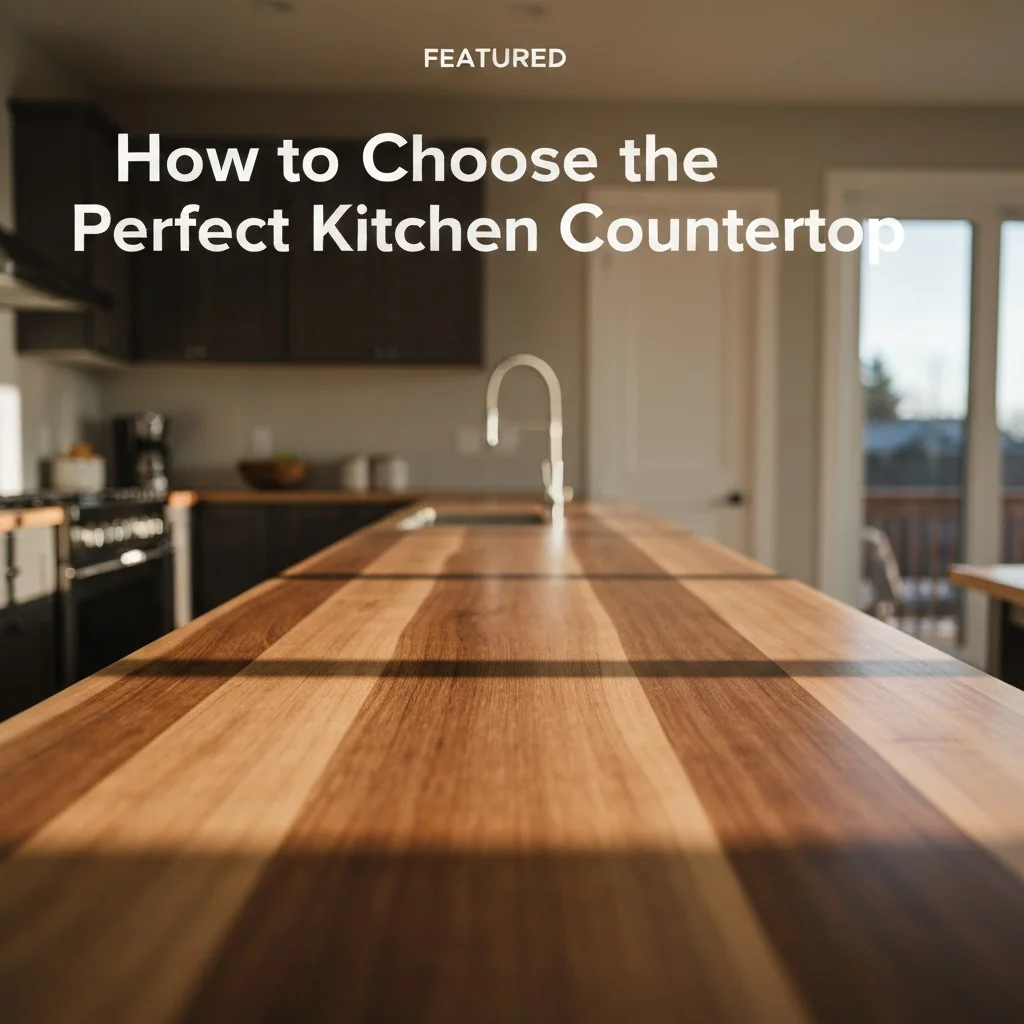
Your kitchen countertop is the workhorse of your home. It endures hot pans, messy spills, and daily chopping while setting the tone for your entire kitchen design. But with so many materials on the market, knowing how to choose the perfect kitchen countertop can feel overwhelming.
Whether you are planning a major renovation or just a refresh, this guide breaks down everything you need to know. From durability to aesthetics to your budget, we have you covered with expert advice backed by 15 years of experience in home spaces and design.
1. Consider Your Lifestyle and Cooking Habits
Before you fall in love with a material, think about how you actually use your kitchen. Are you a weekend baker who kneads dough on the counter? Or do you mostly reheat takeout and chop a few veggies?
Active home cooks need surfaces that resist scratches, stains, and heat. If you have young children, easy cleanup and non-toxic materials should top your list. Pet owners should avoid porous stones that can absorb odors from food bowls.
For households that entertain often, visual appeal matters just as much as functionality. Matching your countertop to your lifestyle ensures it stays beautiful for years without constant maintenance.
2. Best Kitchen Countertop Materials Compared
Here is a quick comparison of the most popular materials. Each one brings unique benefits and trade-offs to your kitchen design.
| Material | Durability | Heat Resistance | Maintenance | Cost per sq. ft. |
|---|---|---|---|---|
| Granite | Excellent | Excellent | Seal annually | $40–$100 |
| Quartz | Excellent | Moderate | None | $50–$150 |
| Marble | Fair | Good | Seal frequently | $50–$200 |
| Butcher Block | Moderate | Poor | Oil monthly | $30–$80 |
| Solid Surface | Good | Moderate | Low | $40–$80 |
| Laminate | Fair | Poor | Very low | $10–$40 |
| Concrete | Very Good | Excellent | Seal regularly | $70–$140 |
3. Durability and Maintenance: What to Expect
Not all countertops age the same way. If you want a low-maintenance life, quartz is your best bet. It is non-porous, meaning no sealing or special cleaning products. Just wipe it down with soap and water.
Granite offers unmatched natural beauty, but it needs annual sealing to prevent stains from wine or oil. Marble looks luxurious but etches easily from acidic foods like lemon juice. For a kitchen renovation tips perspective, always check manufacturer warranties for staining and heat damage.
Butcher block is warm and affordable, but it requires monthly oiling and careful cleaning to avoid mold. If you love cooking but hate upkeep, stick with engineered stone or solid surface materials.
4. Budget-Friendly Options That Still Look Great
You do not need to break the bank to get a stunning countertop. Laminate has come a long way—modern designs mimic marble and granite at a fraction of the cost. Expect to pay $10 to $40 per square foot, installed.
Another smart choice is tile countertops. Ceramic or porcelain tiles offer endless patterns and colors at $5 to $20 per square foot. The grout lines require extra cleaning, but for rental properties or weekend cabins, they are a solid pick.
Solid surface materials like Corian provide seamless looks and repairable surfaces for around $40 to $80 per square foot. They are a fantastic middle-ground for anyone balancing kitchen design budget goals with aesthetic appeal.
Here are three quick budget-friendly tips:
- Choose a standard edge profile to save on fabrication costs.
- Use a contrasting material for islands to reduce total material use.
- Shop remnant pieces from local stone yards for huge discounts.
5. Color and Style Trends in Kitchen Countertops
Neutral tones dominate modern kitchen design. White, gray, and beige countertops create a clean backdrop that works with any cabinet color. If you want a bolder statement, deep navy, forest green, or charcoal are on the rise.
Pattern matters too. Veined marble looks are highly sought after, but quartz manufacturers have perfected realistic patterns that rival natural stone. For a timeless feel, choose a subtle speckled finish that hides crumbs and minor wear.
Always bring cabinet and flooring samples when you visit stone yards. Lighting in showrooms can be deceiving, and what looks perfect under fluorescent lights might clash under your kitchen pendants.
6. Installation and Fabrication Considerations
Measuring and installation are not DIY-friendly for heavy materials like granite or concrete. Hire a professional with good reviews and insurance. Incorrect support can lead to cracks or even a collapsed countertop.
Seams are often necessary for large kitchens. With quartz and granite, a skilled fabricator can make seams nearly invisible. For a fully seamless look, solid surface is your best option.
Always factor in sink and cooktop cutouts. Undermount sinks are popular for quartz and granite, while drop-in sinks work well with laminate and butcher block. Your installer can guide you on the best combination.
Frequently Asked Questions
1. What is the most durable kitchen countertop material?
Quartz is generally the most durable for everyday use. It resists scratches, stains, and chips better than most natural stones. However, avoid placing hot pots directly on quartz—use trivets.
2. Which countertop is best for a tight budget?
Laminate is the most affordable option at $10–$40 per square foot. Tile is also budget-friendly and gives you a custom look, though grout lines need regular cleaning.
3. How do I clean different countertop materials?
Use mild soap and water for most surfaces. Avoid harsh chemicals on granite and marble. For butcher block, wipe spills immediately and use mineral oil monthly. Quartz and solid surface are the easiest to maintain.
4. Can I install a countertop myself?
Only laminate and tile are beginner-friendly for DIY installation. Natural stone and quartz require professional cutting, lifting, and seam welding. A mistake can be costly.
5. What is the trendiest countertop color right now?
White and light gray remain timeless top choices. Darker tones like charcoal and black are growing in popularity, especially in modern kitchens with bright cabinets.
6. Do countertops increase home value?
Yes, high-quality countertops like quartz or granite are major selling points. They signal a well-maintained kitchen and often recoup 50% to 70% of their cost during resale.
7. How long do countertops last?
With proper care, granite and quartz can last 20 to 30 years or longer. Butcher block needs replacement after 10–15 years. Laminate typically lasts 10–20 years depending on wear.
Conclusion
Choosing the perfect kitchen countertop comes down to balancing your lifestyle, budget, and design vision. Start with your daily habits, explore durable options like quartz and granite, and don’t overlook affordable alternatives like laminate or solid surface.
Remember to request samples, compare finishes under your kitchen lighting, and always hire a pro for installation. With this guide, you have everything you need to make a confident decision that will serve your home for decades.
Ready to transform your kitchen? Use these kitchen renovation tips and start your countertop journey today. Your dream kitchen is closer than you think.


