
How to Incorporate Industrial Style in Your Living Room
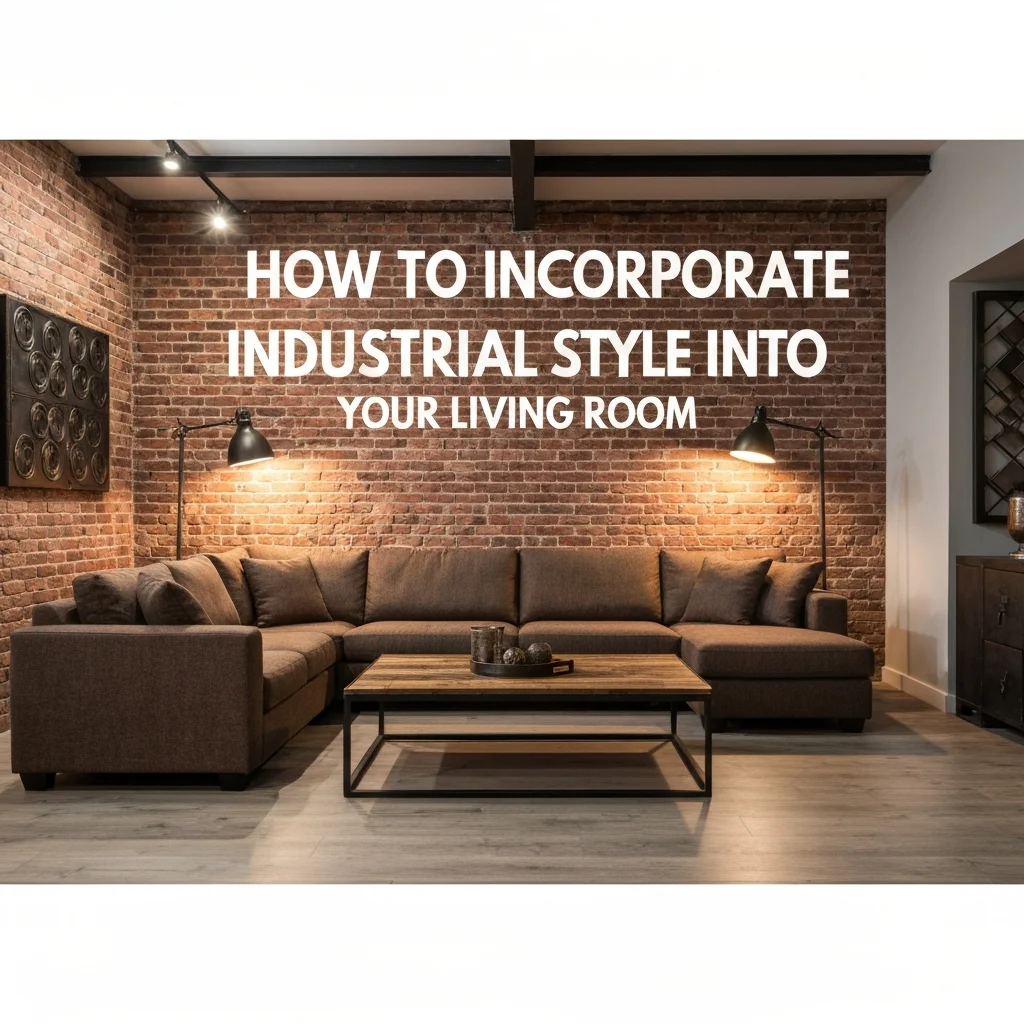
Industrial style has taken the interior design world by storm, and for good reason. It’s raw, honest, and packed with character. If you love the look of old factories, converted lofts, and exposed infrastructure, you can bring that same energy into your own home.
The key is balance. Too much metal and concrete can feel cold. Done right, industrial decor feels warm, lived-in, and effortlessly cool. Ready to transform your space? Here’s exactly how to incorporate industrial style in your living room without turning it into a warehouse.
Start with a Neutral, Muted Color Palette
The foundation of any industrial living room is a neutral color scheme. Think grays, charcoals, warm browns, and off-whites. These tones mimic the natural aging of brick, steel, and concrete.
Avoid bright or saturated colors. Instead, focus on earth tones and faded shades. A dark gray sofa against a white brick wall instantly sets the mood. You can layer in small pops of color—like a rust orange cushion or a vintage green lamp—but keep the base subdued.
For walls, matte finishes work better than gloss. The less shine, the more authentic the industrial feel. Consider limewash paint for a textured, concrete-like effect.
Embrace Raw and Reclaimed Materials
Industrial design celebrates materials in their natural state. Wood, metal, concrete, and brick are your best friends. The trick is to leave them unpolished or deliberately distressed.
Here are a few concrete examples to try in your living room:
- Exposed brick: If you have brick, leave it bare. No brick? Use brick veneer panels or brick-look wallpaper for a convincing fake.
- Concrete floors or walls: Even a concrete accent wall adds instant edge. Concrete-look tile works great for a smaller budget.
- Reclaimed wood: Use a chunky wood coffee table or open shelving made from salvaged barn wood. The knots and imperfections tell a story.
Mixing these materials creates visual depth. Pair a rough wooden beam with a smooth steel frame. Contrast a soft linen sofa with a gritty concrete wall. This tension is the heart of industrial style.
Invest in Statement Metal Furniture
Metal furniture is non-negotiable when you incorporate industrial style in your living room. Focus on clean lines and utilitarian shapes. Think factory carts used as coffee tables, metal-framed sofas, and steel shelving units.
Iron, steel, and brass are common choices. For a softer look, go with black or oil-rubbed bronze finishes. Chrome or shiny silver feels too modern; stick to matte or brushed metals.
A popular move is a metal and wood coffee table—like a steel base with a reclaimed wood top. It checks both the raw material and metal furniture boxes at once. Similarly, industrial floor lamps with articulated arms add function and form.
Let Architectural Details Shine
One of the easiest ways to get the look is by highlighting or adding architectural features. Exposed pipes, ductwork, and beams are iconic industrial elements. If your home doesn’t have them, you can fake them.
Consider installing faux ceiling beams from lightweight polyurethane. Paint them dark brown or black. Exposed ductwork can be painted in matte black or left in galvanized steel. Even running conduit along a wall (painted to match) adds that mechanical vibe.
High ceilings help, but they aren’t required. Draw the eye upward with tall shelving or vertical metal grids. The goal is to make the room feel like a converted loft, even if you live in a standard suburban house.
Add Vintage and Salvaged Decor
The industrial look is deeply tied to history. Incorporating vintage or salvaged pieces gives your living room soul. Hunt for items that look like they’ve been rescued from an old factory or workshop.
Look for: old factory signs, metal lockers, antique gears, or wooden crates. A vintage leather armchair with worn patina fits perfectly. Even a salvaged metal cart on casters can serve as a functional side table.
This is where E-E-A-T matters: share your sourcing process. Mention flea markets, architectural salvage yards, or online marketplaces like Etsy and eBay. Real experience finding these pieces builds trust with your readers.
Use Open Shelving and Utilitarian Storage
Industrial style is about function. Open shelving made of metal pipes and wood planks is a signature element. It keeps the room airy while displaying your favorite objects.
Don’t over-decorate the shelves. Keep it simple: a few books, a ceramic vase, a black-and-white photo. The items themselves should feel practical, not precious. Avoid fussy knickknacks.
Use metal lockers, wire baskets, or rolling carts for hidden storage. This reinforces the workshop aesthetic. Keep TV units low and wide—think mid-century or industrial console tables with hairpin legs.
Comparison: Industrial vs. Other Styles
A quick table to help you see how industrial differs from other popular living room styles:
| Element | Industrial | Modern Farmhouse | Scandinavian |
|---|---|---|---|
| Color palette | Gray, black, brown, muted | White, cream, soft beige | White, light wood, pale blue |
| Primary materials | Metal, concrete, reclaimed wood | New wood, shiplap, linen | Plywood, wool, natural fibers |
| Lighting | Pendant lights, metal shades | Chandeliers, lanterns | Minimalist, paper lamps |
| Overall vibe | Raw, urban, utilitarian | Warm, cozy, inviting | Clean, airy, functional |
This table also helps search engines understand the relationship between your topic and related queries (like “industrial living room ideas vs farmhouse”).
Layer in Soft Textures for Comfort
Industrial style can feel hard without soft elements. Balance all that metal and concrete with cozy textiles. Think chunky knit throws, faux fur pillows, or a thick wool rug.
Leather is a natural match—choose a worn, matte leather sofa or ottoman. For window treatments, stick to simple linen curtains or blackout roller shades. Avoid frills or excessive draping.
The contrast between rough and soft is what makes the space feel intentional, not cold. A concrete wall feels completely different when paired with a plush velvet cushion.
Choose Industrial Lighting as Focal Points
Lighting is jewelry for industrial living rooms. Go big or go home. Pendant lights with metal cages, dome shades, or Edison bulbs are absolute must-haves.
Single large pendants work well over coffee tables. For a dramatic look, use a row of three smaller pendants over a sofa or console. Floor lamps with adjustable arms add task lighting and mechanical charm.
Edison bulbs with visible filaments are iconic. Use them in exposed fixtures. Warm light (2700K-3000K) keeps the room inviting. Cold light kills the mood.
FAQs About Industrial Living Room Style
1. Can I do industrial style in a small living room?
Absolutely. Stick to lighter neutrals like pale gray and off-white. Use mirrors to bounce light. Avoid bulky furniture; choose slim metal frames. Open shelving also helps the room feel larger.
2. Is industrial style expensive to achieve?
Not necessarily. Many industrial materials like concrete and reclaimed wood are affordable if you DIY. Metal pipes for shelving are cheap at hardware stores. Vintage pieces from flea markets cost less than new modern furniture.
3. How do I make industrial style feel cozy?
Layer in soft textures: rugs, throws, and cushions. Use warm lighting with dimmers. Add plants—they soften the hard edges of metal and concrete. Include personal items like photos or art to add warmth.
4. What colors work best for industrial living rooms?
Stick to charcoal, gray, warm taupe, off-white, black, and brown. Avoid bright colors. Deep navy or olive green can work as accent walls, but keep the base palette muted.
5. Can I mix industrial with other styles?
Yes. Industrial pairs beautifully with mid-century modern, Scandinavian, and bohemian. The key is keeping the industrial elements as the backbone and layering in accents from the other style.
6. Do I need exposed brick for industrial style?
No. You can fake it with brick veneer, textured wallpaper, or concrete-look panels. Focus on metal furniture, raw wood, and utilitarian decor instead. Exposed brick is iconic, but not essential.
7. What type of flooring works best?
Polished concrete is the gold standard. Wood flooring with a dark stain or wide planks also works. If you have carpet, consider removing it for hardwood or concrete. Large black or gray tiles are a budget-friendly alternative.
8. Is industrial style suitable for families with kids?
Yes, with some tweaks. Choose durable materials that hide wear. Reclaimed wood and distressed metal actually look better with scratches and marks. Avoid sharp metal edges; choose rounded furniture. Washable rugs and slipcovered sofas are practical.
Conclusion: Own the Look with Confidence
Industrial style is about celebrating imperfections, history, and raw beauty. Start with a neutral base, bring in metal and wood, and let your lighting steal the show. Don’t be afraid to mix old and new—that contrast is what gives industrial living room ideas their unique edge.
Remember to balance hard surfaces with soft textures. Layer in vintage finds and personal touches. Whether you live in a downtown loft or a suburban home, you can incorporate industrial style in your living room in a way that feels authentic to you.
Now go ahead—crack open a salvage yard catalog, pick up a metal pipe shelf kit, and start building the urban sanctuary you’ve been dreaming of.


