
How to Make a Dark Living Room Feel Bright and Airy
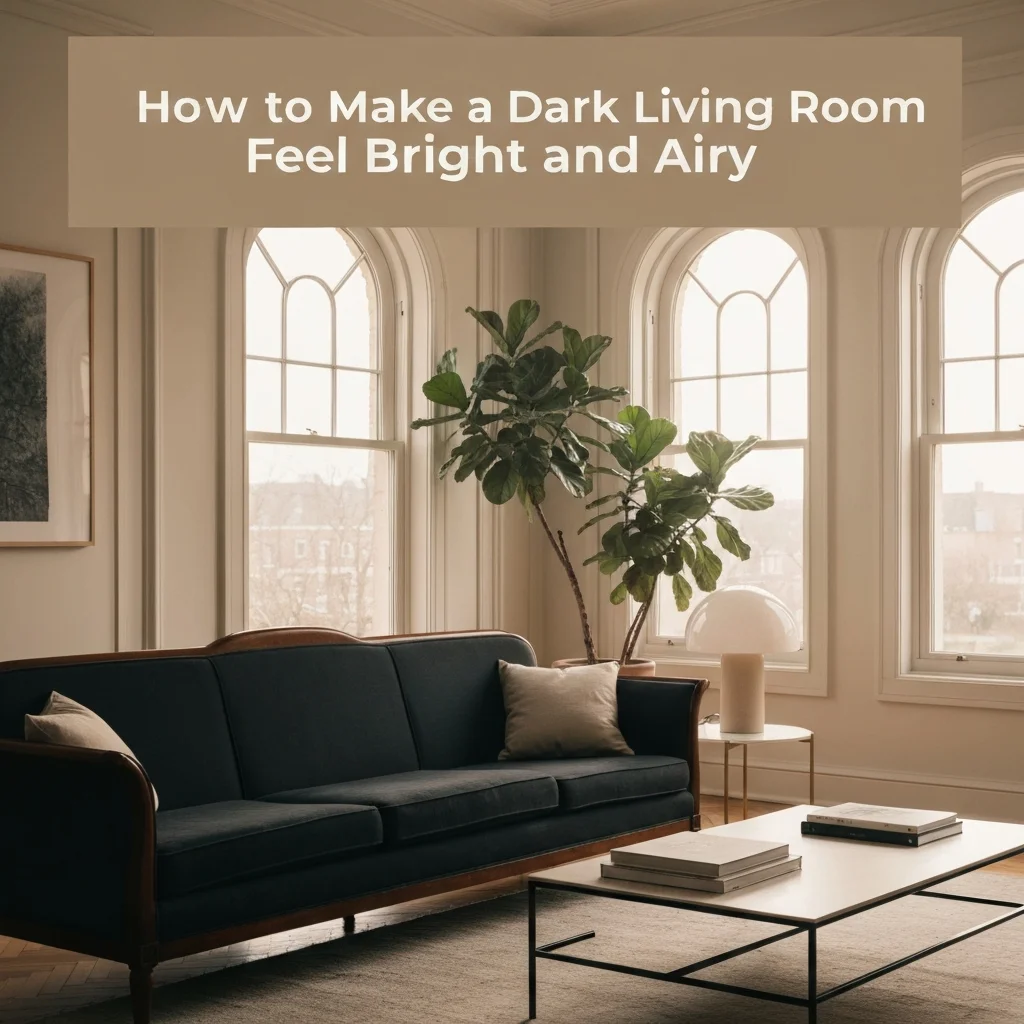
Got a living room that feels more like a cave than a cozy retreat? You’re not alone. Many homes—especially those with north-facing windows, deep eaves, or older architecture—struggle with dim, shadowy spaces. The good news? You don’t need a renovation or a wrecking ball to make it work. With the right dark living room ideas, you can completely flip the mood. This guide walks you through actionable, designer-approved ways to brighten a dark living room without losing its warmth or character.
1. Start with a Light, Layered Paint Strategy
Paint is the fastest, cheapest way to transform a room. But here’s the catch: pure white can actually feel cold and flat in a dark room. Instead, choose warm off-whites, creamy beiges, or soft greiges (gray + beige) with a slight yellow or pink undertone. These reflect light better and add depth.
Don’t stop at the walls. Paint the ceiling a shade lighter than the walls to make it feel higher. For a bold move, paint the trim and even the floorboards a crisp, glossy white. This creates a reflective frame that bounces light around the room. A great example: Benjamin Moore’s “White Dove” or Sherwin-Williams’ “Alabaster” offer that soft, airy feel.
2. Maximize and Manipulate Natural Light
Before you buy a single lamp, look at your windows. Are they blocked by heavy drapes, furniture, or outdoor foliage? For lighten a dark room, every inch of daylight counts. Swap blackout curtains for sheer linen or semi-sheer roller shades. Mount curtain rods as high as possible—almost touching the ceiling—and extend them past the window frame. This tricks the eye into thinking the window is bigger.
If privacy is a concern, try top-down/bottom-up cellular shades. They let in light from the top while keeping the lower half covered. Also, trim any bushes or tree branches outside that block sunlight. Even a small change in landscaping can increase natural light by 30%.
3. Layer Your Artificial Lighting Like a Pro
One overhead light is your enemy in a dark room. It creates harsh shadows and pools of darkness. You need at least three layers of light: ambient, task, and accent. Start with living room lighting tips like installing dimmable recessed cans or a sleek track light. Then add floor lamps in corners to wash walls with light.
Table lamps on consoles and side tables provide task lighting for reading or relaxing. Finally, use picture lights above art or sconces on empty walls to create accent layers. The goal is to eliminate dark corners. A pro tip: use bulbs with a color temperature between 2700K and 3000K (warm white) to keep the space cozy but bright. Avoid cool blue tones—they feel clinical.
4. Embrace Mirrors and Reflective Surfaces
Mirrors are the ultimate hack for bright living room decor. Place a large mirror directly across from a window to double the light entering the room. You can also lean a floor-to-ceiling mirror against a wall—it creates the illusion of another window. But don’t stop at mirrors.
Introduce other reflective materials: a glass coffee table, a metallic side table (brass or chrome), or glossy ceramic vases. Shelves with glass fronts or mirrored backs also scatter light. Even a high-gloss lacquer on a piece of furniture can act as a subtle reflector. Just avoid heavy, dark woods or matte black finishes in large pieces.
5. Choose Furniture That Breathes
Bulky, dark furniture sucks the life out of a dim room. To brighten a dark living room, opt for pieces with exposed legs—sofas, chairs, and consoles on slim metal or wooden legs. This allows light to flow underneath, making the floor feel larger. Upholstery should be light: creams, soft grays, or pastel tones like blush or sage.
If you love a dark sofa (it happens), balance it with a light-colored rug and bright throw pillows. Glass or acrylic furniture is your secret weapon. A clear acrylic coffee table or side table disappears visually, reducing visual clutter. Keep the overall layout open—don’t push everything against the walls. Floating furniture in the center of the room creates natural light pathways.
6. Use Color and Texture to Add Lightness
You don’t have to live in a white box. Strategic pops of color can actually make a room feel brighter. Stick to cool, airy hues on large surfaces: soft blues, pale greens, or lavender grays. These colors recede visually, making walls feel farther away. For accessories, use warm tones like mustard yellow, coral, or terracotta to add energy without overwhelming the space.
Texture also plays a role. A chunky knit throw, a jute rug, or linen curtains add visual interest without darkening the room. Avoid too many dark, heavy textures like velvet or thick wool in large doses. Mix matte finishes with glossy ones—a matte wall with a glossy lamp, for example—to create light contrast.
7. Declutter and Simplify Your Layout
Clutter is light’s worst enemy. Every pile of books, stack of magazines, or crowded shelf absorbs light and creates visual noise. Adopt a minimalist approach: keep surfaces clear, edit your decor down to a few statement pieces, and use closed storage (like baskets or cabinets) for hiding items. For dark living room ideas, less is definitely more.
Create a “light path” by leaving the center of the room open. Arrange furniture so you can walk through without bumping into things. Use vertical storage—tall, narrow bookshelves or wall-mounted cabinets—to keep the floor area clean. A simple, airy layout allows every ray of light to travel further.
- Paint: Warm off-white with glossy trim.
- Windows: Shear curtains mounted high and wide.
- Lighting: 3 layers (ambient, task, accent).
- Mirrors: One large mirror opposite a window.
- Furniture: Exposed legs, light upholstery, acrylic pieces.
- Color: Cool walls + warm pops.
- Clutter: Keep surfaces clear, use closed storage.
| Element | What to Avoid | What to Use Instead |
|---|---|---|
| Wall Color | Matte dark browns or deep reds | Warm off-white, pale greige |
| Window Treatments | Heavy velvet or blackout drapes | Sheer linen or semi-sheer shades |
| Furniture Finish | Dark, matte wood (walnut, espresso) | Light wood, white lacquer, glass, metal |
| Lighting Fixtures | Single overhead ceiling light | Multiple layers: floor, table, wall, ceiling |
| Rug | Dark, dense patterns | Light neutral, natural jute, low-pile |
FAQ: Your Dark Living Room Questions Answered
1. Can I use dark colors in a dark living room?
Absolutely, but strategically. Use dark colors on small accent walls, accessories, or a single piece of furniture. The key is to balance them with plenty of light, reflective surfaces and bright textures.
2. What type of light bulb is best for a dark room?
Look for LEDs with a color temperature of 2700K to 3000K (warm white). This feels cozy yet bright. Avoid “daylight” bulbs (5000K+) as they can look harsh and sterile in a home environment.
3. How many mirrors should I use?
One large mirror is more effective than several small ones. Place it opposite your main window. If your room is narrow, a long horizontal mirror can make it feel wider.
4. Do glossy floors help brighten a room?
Yes, glossy or semi-gloss floor finishes reflect more light. If you have dark hardwood, consider a light-colored area rug to cover most of it, or refinish with a lighter stain.
5. Should I paint my ceiling a different color?
Yes! Painting the ceiling a shade lighter than the walls—or a pure white—makes it feel higher and more reflective. Flat finish is usually best to hide imperfections, but a slight sheen helps bounce light.
6. Can plants help brighten a dark room?
Plants with light green or variegated leaves can add a fresh, airy feel. But choose low-light varieties like snake plants or pothos. Healthy foliage reflects light better than dark, dense plants.
7. Is it worth installing a skylight?
If you own your home and have the budget, a skylight or solar tube is a game-changer for lighten a dark room. It can bring in up to five times more light than a standard window.
8. What about window film?
Yes! Decorative window film (like frosted or etched glass) can provide privacy while still letting in light. It’s a renter-friendly alternative to curtains.
Conclusion: Your Dark Room Can Shine
A dark living room doesn’t have to feel like a lost cause. With a thoughtful mix of paint, lighting, mirrors, and furniture choices, you can completely shift the atmosphere. The best part? You don’t need a massive budget or a contractor. Start with one change—like swapping your curtains or adding a floor lamp—and build from there. These dark living room ideas prove that every room, no matter how shadowy, has the potential to feel bright, airy, and welcoming.


