
How to Mix Modern and Traditional Kitchen Styles
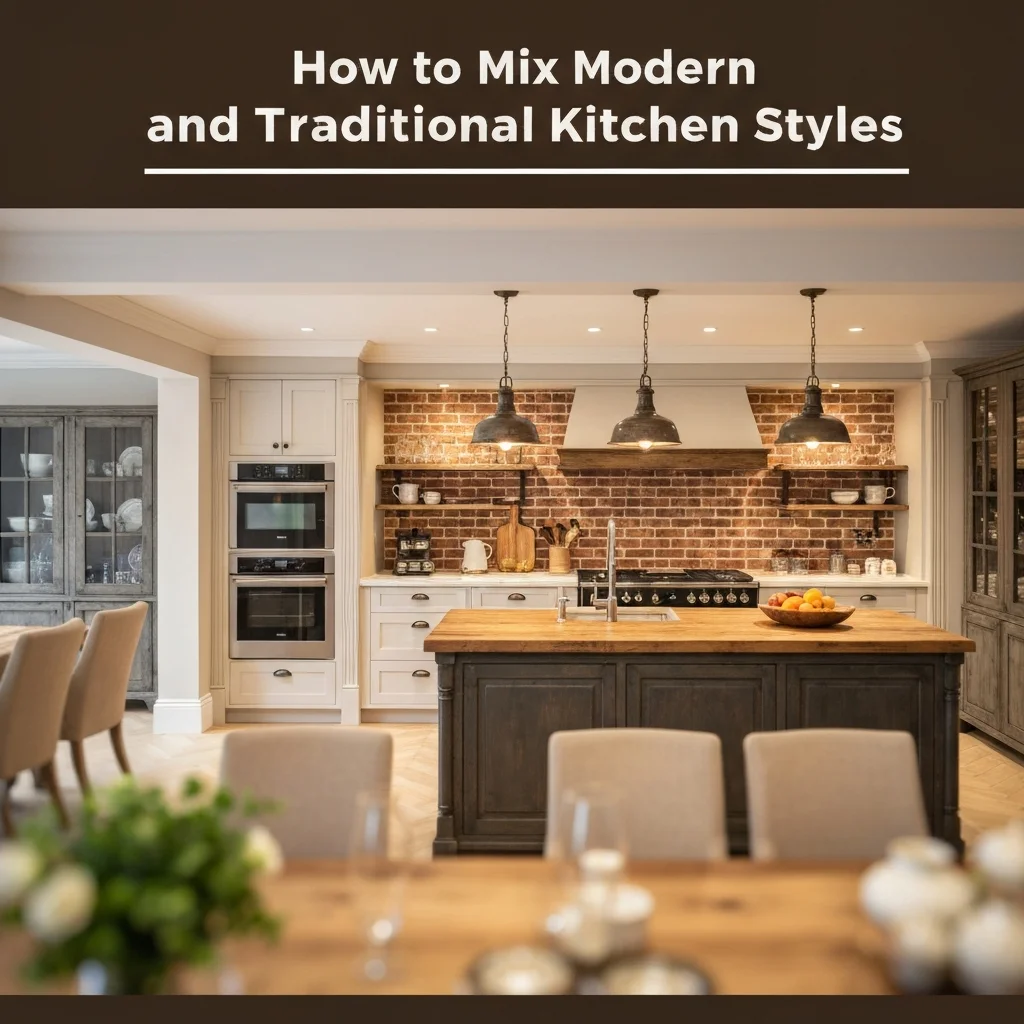
Walking into a kitchen that feels both warm and crisp, familiar yet fresh, is pure design magic. That’s the power of the mix modern and traditional kitchen styles approach. You don’t have to choose between sleek minimalism and cozy charm. In fact, the most inviting kitchens live right in the middle.
This “transitional” look has become a favorite for homeowners who want a space that feels current but never cold. It’s sophisticated, livable, and remarkably forgiving when you want to experiment with trends. Let’s break down exactly how to pull it off without creating a design clash.
Why Blend Modern and Traditional? The Power of Transitional Design
A purely modern kitchen can feel sterile, while a strictly traditional one might read as dated. Blending the two gives you the best of both worlds: the clean lines and efficiency of modern design, plus the warmth and character of traditional elements.
This transitional kitchen design style is also incredibly flexible. You can swap out a light fixture or change hardware down the road without gutting the entire room. It’s a smart investment for resale value, too, since it appeals to a broad range of tastes.
The secret? Balance. Too much of one style throws the whole room off. Think of it as a conversation between old and new.
Anchor with Classic Cabinetry, Then Add Modern Touches
The most common starting point is to choose traditional cabinetry as your foundation. Shaker-style cabinets in a classic white, soft gray, or warm wood tone offer that timeless feel. They bring instant warmth and structure to the room.
Then, layer in modern elements. Think sleek, integrated appliances, a large farmhouse sink with a modern gooseneck faucet, or handleless upper cabinets for a streamlined look. This creates a beautiful tension between the ornate and the minimal.
Avoid mixing too many cabinet styles. Stick to one core style (like Shaker) and let the hardware and finishes do the modernizing. Brushed brass or matte black pulls can instantly update a traditional cabinet.
Balance Textures and Materials Intentionally
Texture is your best friend when you mix modern and traditional kitchen styles. Hard, glossy modern surfaces need soft, natural counterparts to feel grounded. Traditional materials like marble, wood, and wrought iron provide that organic warmth.
Try this approach: use a modern quartz or polished concrete countertop, but pair it with a classic marble subway tile backsplash. The contrast is stunning. Or, install a sleek glass front cabinet above a chunky, reclaimed wood island base.
- Modern materials: glass, stainless steel, glossy lacquer, polished concrete
- Traditional materials: marble, butcher block, exposed brick, ceramic tile
- Neutral bridges: matte brass, blackened steel, white oak, linen
Lighting as the Ultimate Unifier
Lighting can make or break your style blend. A modern kitchen with an ornate crystal chandelier looks confused. Instead, use lighting to bridge the gap. Choose fixtures that have a classic silhouette but a modern finish.
For example, a brass lantern pendant (traditional shape) with a clean, geometric frame (modern execution) works perfectly. Or, go for a grouping of three sleek, dome-shaped pendants in an aged bronze finish.
Layer your lighting: under-cabinet LED strips for task lighting (modern), a large statement chandelier or pendants over the island (mix), and sconces with linen shades (traditional touch).
Flooring That Grounds Both Worlds
Flooring is a major decision that sets the tone. For a blending modern and traditional decor kitchen, avoid extremes like high-gloss white tile (too modern) or intricate Victorian patterns (too traditional).
Wide-plank white oak flooring is a fantastic neutral. It has the natural grain of a traditional wood floor but the clean, simple lines that suit modern spaces. If you prefer tile, choose a large-format rectified tile in a warm limestone color—it feels both classic and contemporary.
Another popular option is a classic herringbone pattern in a neutral tone. It reads as traditional but the tight, clean pattern keeps it from feeling fussy. Always aim for matte or satin finishes over high gloss.
Backsplash as the Style Statement
The backsplash is where you can have the most fun. It’s a smaller surface, so it’s lower risk. A classic subway tile laid in a traditional brick pattern is instantly familiar, but you can modernize it with dark grout for a graphic look.
Alternatively, go for a modern slab backsplash (like a full slab of marble or quartz) and pair it with traditional open shelving in warm wood. The juxtaposition is unexpected and beautiful.
| Element | Traditional Pick | Modern Counterpart | Result |
|---|---|---|---|
| Backsplash | Subway tile (white, brick pattern) | Dark grout or long, thin “brick” tiles | Classic shape, modern finish |
| Cabinetry | Shaker style door | Flat-panel or slab door (same color family) | Cozy base, sleek top |
| Countertop | Marble (honed) | Ultra-compact quartz | Timeless look, modern durability |
| Faucet | Bridge faucet | Touchless, matte black | Vintage silhouette, smart tech |
Incorporate Statement Pieces That Bridge Eras
Sometimes the easiest way to create a classic contemporary kitchen is to invest in one or two pieces that do the blending for you. A modern range hood with clean lines but a brass trim instantly connects both styles.
Or, think about seating. A rustic farmhouse table paired with slim, chrome-based modern stools creates a visual conversation. Same goes for the island itself—a streamlined waterfall-edge island topped with a thick, live-edge wood slab is a perfect hybrid.
Don’t overlook small details: twist knobs in a modern glass finish on traditional cabinet doors, or a contemporary pot rack made of blackened steel hanging over a classic butcher block counter.
Color Palettes That Work for Both Styles
Color can unify a transitional kitchen. Stick to a neutral base—whites, warm grays, greiges, and soft taupes. These tones work in both modern and traditional settings. Then, introduce color in a controlled way.
For a traditional touch, use navy blue or forest green on the lower cabinets, but keep the uppers white and flat-panel. For a modern pop, add a single, bold accent wall (like terracotta or deep charcoal) but keep the rest of the space clean and light.
Remember: contrast is welcome, but chaos is not. Choose 2-3 colors maximum and repeat them throughout the space for cohesion.
FAQ: Mixing Modern and Traditional Kitchen Styles
Is it expensive to mix modern and traditional kitchen styles?
Not necessarily. You can save by choosing traditional cabinetry (often less expensive than custom modern designs) and spending on a few key modern pieces like lighting or appliances. It’s about strategy, not budget.
How do I avoid making my kitchen look disjointed?
The rule is 80/20. Pick one style as your dominant (e.g., 80% traditional) and use the other as accent (20% modern). This keeps the look intentional. Also, use a consistent metal finish throughout to tie everything together.
Can I mix modern and traditional styles in a small kitchen?
Absolutely. In small spaces, focus on scale. Use light colors for both styles to prevent visual weight. A small modern island with traditional Shaker cabinets can make the room feel larger while maintaining character.
What are the best hardware finishes for this style blend?
Brushed brass, matte black, and unlacquered brass are the top choices. They read as modern but have a warmth that complements traditional details. Avoid polished chrome or shiny gold, which can feel too specific to one era.
Should my countertops be modern or traditional?
Most designers recommend a modern countertop material (like quartz or concrete) paired with a traditional edge profile (like a bevel or ogee). This gives you the durability of modern materials with a classic look.
How do I handle open shelving in a transitional kitchen?
Use modern, floating shelves in a warm wood tone. Keep them clutter-free with a mix of everyday dishes and a few antique pieces. The combination of a clean shelf line with vintage items embodies the style perfectly.
Can I mix stainless steel appliances with traditional brass hardware?
Yes, and it works wonderfully. Stainless steel is a neutral, so it pairs well with brass. The key is to make sure your brass hardware has a similar undertone (e.g., warm brass with warm-toned stainless steel panels). Avoid mixing gold and silver tones directly next to each other.
What backsplash is safest for beginners?
Large-format rectangular white tile (not small squares) with a contrasting grout color. It looks modern because of the size and grout, but the white color keeps it classic. It’s a forgiving choice that works with both styles.
Conclusion: Your Kitchen, Your Balance
Mixing modern and traditional isn’t about following a rulebook. It’s about creating a space that reflects your personality and feels right. Start with one anchor piece—maybe your cabinetry or your countertops—and build around it.
Take your time. Visit showrooms, save photos, and test materials. The beauty of a timeless kitchen ideas approach is that it allows for evolution. You can add modern art later, or swap in a traditional rug next season. The blend is never finished, and that’s what makes it exciting.
Remember: the best kitchens feel like they’ve always been there, yet they surprise you every time you walk in. That’s the magic of a thoughtful mix. Go ahead, break the style rules—just break them with intention.


