
The Best Kitchen Flooring Options
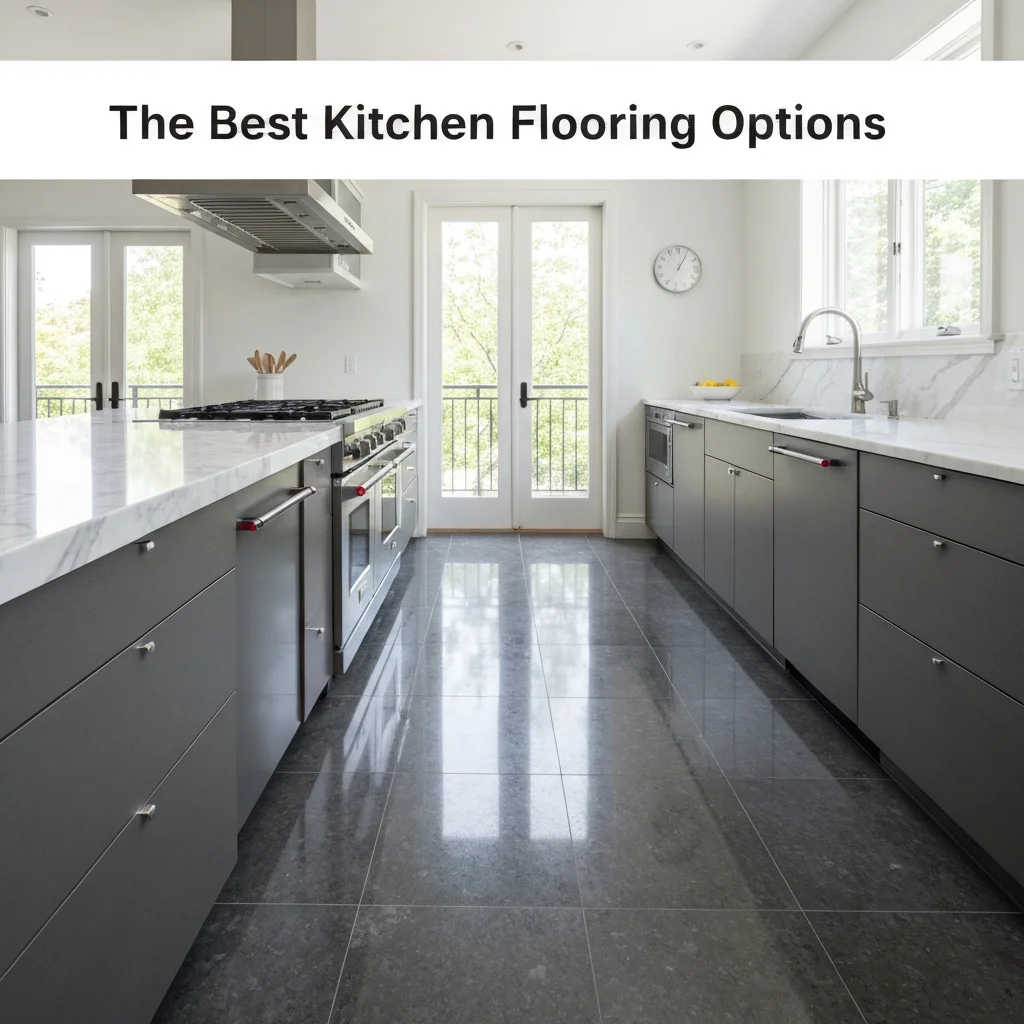
Choosing the right floor for your kitchen is a big decision. It’s the hardest-working room in the house, dealing with spills, dropped pans, and constant foot traffic. The best kitchen flooring options balance beauty with brute strength.
You want something that looks amazing but can also handle a glass of red wine hitting the floor. Over the last 15 years, I’ve seen trends come and go, but some materials always deliver. Let’s break down the top contenders.
Why Kitchen Flooring is Different
Unlike a bedroom or living room, your kitchen floor faces moisture, heat, and heavy impacts daily. Water from the sink, hot oil from the stove, and the constant opening of the fridge all take a toll.
This is why durable kitchen flooring isn’t just a luxury—it’s a necessity. You need a material that is waterproof or at least highly water-resistant. Soft materials like carpet are a hard no here.
Your choice also affects your home’s resale value. A timeless, well-installed floor can be a major selling point. Let’s look at the specific options that check all the boxes.
Luxury Vinyl Plank (LVP) and Tile (LVT)
If you want the look of wood or stone without the maintenance nightmare, LVP and LVT are your best friends. These are waterproof kitchen flooring champions. They’re 100% impervious to moisture, making them ideal for busy families.
Modern printing technology means they mimic real wood grain and stone textures incredibly well. Prices range from $2 to $7 per square foot installed. It’s one of the most budget-friendly kitchen flooring options that still looks high-end.
- Pros: 100% waterproof, comfortable underfoot, easy to install (floating or glue-down), scratch-resistant.
- Cons: Can dent under heavy appliances, not as “premium” feeling as real wood or stone.
- Best for: Families with kids, pet owners, rental properties.
Engineered Hardwood
Solid hardwood is risky in a kitchen, but engineered hardwood is a smart compromise. It has a real wood top layer over a plywood core, which handles humidity changes much better than solid planks.
While it isn’t waterproof, it is water-resistant for short periods. A quick cleanup of spills is fine—just don’t let water sit overnight. It brings unmatched warmth and resale value to your home.
Expect to pay between $5 and $12 per square foot installed. This is a premium choice for homeowners who love natural materials and don’t mind a little extra care. It remains a top pick for kitchen flooring ideas in traditional and farmhouse styles.
Porcelain or Ceramic Tile
Tile has been a kitchen classic for decades, and for good reason. It’s incredibly durable, waterproof, and comes in thousands of colors and patterns. Porcelain tile is denser and harder than ceramic, making it even better for heavy use.
The biggest drawback? It’s cold and hard. Dropping a glass on tile almost guarantees it will shatter. You’ll also feel fatigue standing on it for long cooking sessions.
Installation costs range from $7 to $15 per square foot. Using large-format tiles (12×24 inches or bigger) is a modern trend that reduces grout lines, making cleaning easier. This is a classic choice for anyone needing water-resistant kitchen flooring.
Natural Stone (Slate, Travertine, Marble)
Natural stone brings a level of luxury that synthetic materials simply can’t match. Each slab has unique veining and texture. Slate is naturally slip-resistant, while marble offers a bright, elegant look.
The catch is maintenance. Stone is porous and requires regular sealing to prevent stains from wine, oil, and tomato sauce. It’s also the most expensive option, often costing $10 to $20+ per square foot installed.
Natural stone is perfect for open-concept kitchens where you want a seamless, high-end flow into the living area. Just be ready to baby it a little.
Laminate Flooring
Laminate has evolved a lot since the 90s. New waterproof laminate floors are now available that compete directly with luxury vinyl. They have a rigid core that is 100% water-resistant and feel harder underfoot than vinyl.
Laminate is generally cheaper than hardwood and vinyl, costing $2 to $5 per square foot installed. The locking systems make it a great DIY project. However, it can be noisier than other floors if not installed with a proper underlayment.
It’s a solid bet if you want the look of wood on a tight budget. Look for “waterproof” or “rigid core” labels to ensure longevity in your kitchen.
Concrete and Cork (The Wild Cards)
For a modern, industrial look, polished or stained concrete is an option. It’s incredibly durable and can be heated from below with radiant systems. It’s expensive to install properly ($6-$15 per sq. ft.) but lasts a lifetime.
Cork is the eco-friendly, soft alternative. It’s naturally antimicrobial and cushioned for standing. The downside is it can dent and scratch easily and needs resealing every few years. It’s not ideal for heavy-use kitchens.
These are niche choices for specific kitchen flooring options for design-forward homes. They aren’t for everyone, but they offer unique benefits.
Quick Comparison Table
| Material | Waterproof? | Durability | Cost per sq. ft. (installed) | Comfort |
|---|---|---|---|---|
| Luxury Vinyl (LVP) | Yes | High | $2 – $7 | Good (warm & soft) |
| Engineered Hardwood | Resistant | High | $5 – $12 | Good |
| Porcelain Tile | Yes | Very High | $7 – $15 | Poor (cold & hard) |
| Natural Stone | Sealed only | Very High | $10 – $20+ | Poor (cold) |
| Waterproof Laminate | Yes | High | $2 – $5 | Fair |
How to Make Your Final Decision
Think about your lifestyle first. Do you have toddlers dropping sippy cups? Go with luxury vinyl or tile. Are you a passionate cook who stands for hours? Consider cork or adding a cushioned mat over tile.
Next, consider your budget realistically. Don’t forget the cost of underlayment and potential subfloor repairs. Always buy a few extra boxes for future repairs—especially with tile and hardwood.
Finally, get samples. See how they look in your actual kitchen light. A color that looks great in the store can look completely different next to your maple cabinets or stainless steel appliances.
Frequently Asked Questions
What is the most durable kitchen flooring?
Porcelain tile and natural stone are the most durable. They resist scratches, dents, and water completely. Luxury vinyl is also extremely durable and more forgiving on dropped items.
Is hardwood a bad idea for kitchens?
Solid hardwood is risky. Engineered hardwood is a better option because it handles moisture and temperature changes better. Just seal it well and wipe up spills immediately.
What is the best flooring for a kitchen on a budget?
Waterproof laminate and luxury vinyl plank are the best budget-friendly kitchen flooring options. They cost between $2 and $5 per square foot and look great.
Can you put tile over existing kitchen flooring?
Yes, but only if the existing floor is stable and level. It adds height, which can affect transitions to other rooms. It’s usually better to remove old flooring.
What flooring is easiest to clean?
Luxury vinyl and large-format porcelain tiles with minimal grout lines are the easiest. You just sweep and mop. Natural stone requires special cleaners.
Should I choose vinyl or laminate for my kitchen?
Vinyl is better for kitchens because it’s 100% waterproof. Laminate is good but is not fully waterproof unless it’s a specific “rigid core” waterproof product. For ultimate peace of mind, choose vinyl.
Does kitchen flooring increase home value?
Yes. Quality, durable kitchen flooring like engineered hardwood, tile, or luxury vinyl can significantly boost resale value. Cheap flooring can turn buyers away.
Conclusion
Finding the best kitchen flooring options comes down to your specific needs. There is no single perfect material—only the perfect material for your kitchen.
If you need zero maintenance and waterproof security, go with luxury vinyl. If you want natural beauty and are willing to maintain it, choose engineered hardwood or tile. For tight budgets, modern laminate offers impressive value.
Whatever you choose, invest in a good underlayment and professional installation. A great floor makes a great kitchen. Take your time, order samples, and you’ll end up with a floor you love for years to come.


