
Living Room Art Ideas for Every Style
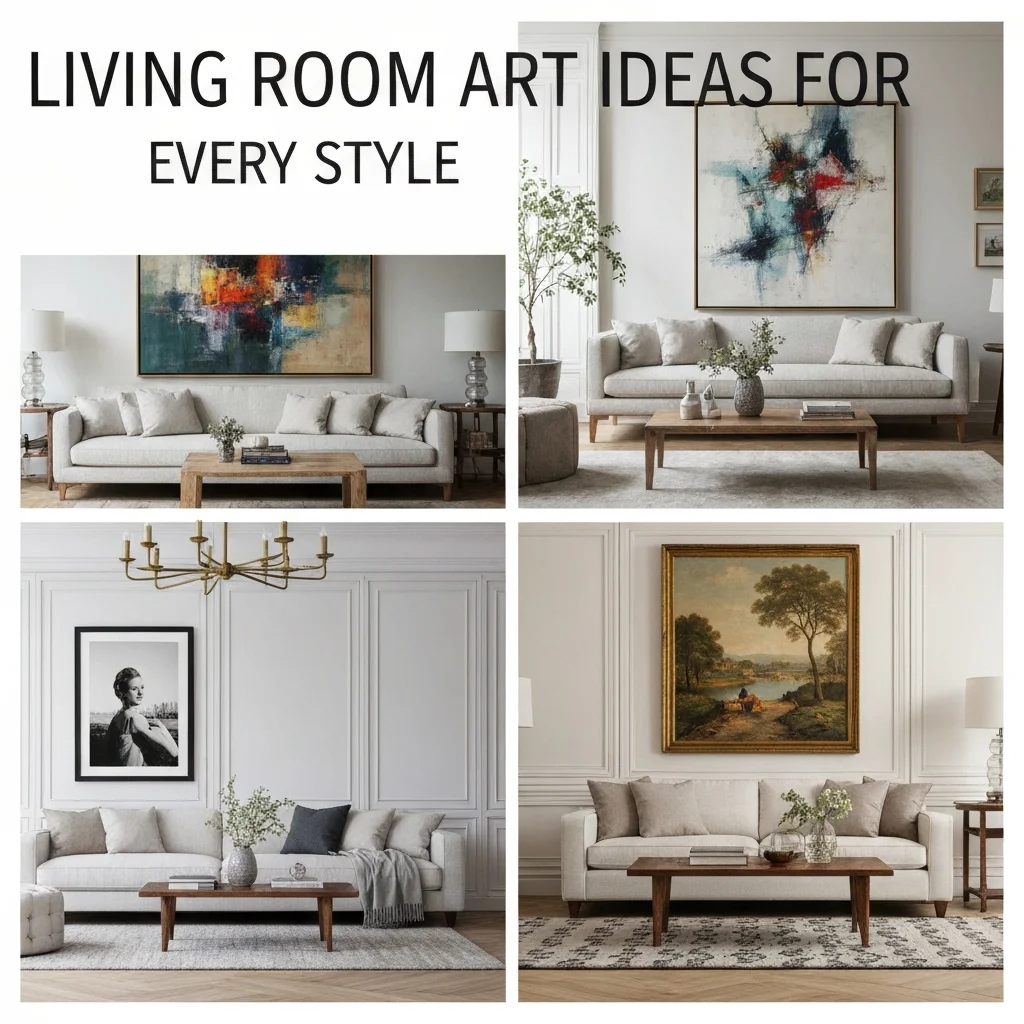
Your living room is the heart of your home—the place where you unwind, entertain, and express your personality. Yet, many of us freeze when it comes to choosing art for those empty walls. The truth is, living room art ideas don’t have to be intimidating. Whether you lean toward sleek modern lines or cozy bohemian layers, there is a perfect piece (or collection of pieces) waiting for your space.
In this guide, I’ll walk you through curated art strategies for every major design aesthetic. You’ll learn how to pick the right size, the best framing options, and even how to arrange a gallery wall that feels intentional. Let’s turn those bare walls into a story.
1. Minimalist Living Room Art: Less Is More
Minimalist spaces thrive on negative space. A single, oversized piece of large scale art living room can anchor an entire room without clutter. Think of a muted abstract in earth tones or a black-and-white photograph with strong geometry.
Stick to neutral color palettes—cream, charcoal, soft beige—so the art breathes rather than competes. For framing, choose slim, metallic frames or even floater frames that give the illusion of floating canvas.
Pro tip: Hang the piece at eye level (57–60 inches from the floor to the center) and leave at least 6 inches of space from surrounding furniture. This keeps the focus solely on the artwork.
2. Bohemian Living Room Wall Decor: Texture and Layers
Boho style is all about storytelling and texture. Instead of a single painting, mix woven wall hangings, macramé, vintage mirrors, and botanical prints. The key is to create a collected-over-time feel.
Layer in wall decor for living room that includes natural materials: rattan frames, wooden masks, or even a tapestry with global patterns. Don’t shy away from mixing frames—gold, brass, and unfinished wood all work together when tied by color or subject.
A large abstract piece can still work here, but pair it with smaller, eclectic accents to soften the edges. The secret? Arranging everything asymmetrically for that effortless, curated look.
3. Modern and Contemporary: Bold Abstracts and Sculptural Pieces
Modern living rooms call for art that makes a statement. Abstract wall art living room creations with sweeping brushstrokes, bold colors, or geometric patterns fit perfectly here. Think large canvases with a single, striking hue—like a deep cobalt blue or burnt orange.
If you prefer a more architectural approach, consider a triptych (three panels) or a diptych. These split compositions add dynamism without overwhelming the eye. Pair them with furniture that has clean lines and minimal ornamentation.
Lighting is crucial: install a picture light or a track spotlight to highlight the texture of the paint or the gloss of resin finishes. This turns the art into a visual anchor day and night.
4. Farmhouse and Rustic Living Room Art Ideas
Farmhouse style loves warm, nostalgic imagery. Go for landscapes, vintage botanical prints, or black-and-white family photos in distressed wood frames. A large-scale canvas of a wheat field or a barn scene sets a calm, inviting tone.
Mix in dimensional pieces like metal signs, wooden letters, or a repurposed window frame with painted glass. The goal is to feel rustic yet refined. Stick to a palette of cream, sage green, and weathered gray.
Consider a grid layout with four matching prints—this gives a structured feel that balances the casual vibe of the style. Add a small shelf below to display a ceramic vase or a stack of books for extra charm.
5. Gallery Wall Arrangements for Any Living Room
A living room gallery wall is one of the most flexible ways to showcase multiple pieces. Start by laying your arrangement on the floor first. Use kraft paper to trace each frame, then tape the paper shapes to the wall to test the layout.
Here are three popular layouts:
- Symmetrical grid: Best for formal spaces. Use equal-sized frames with even spacing (2–3 inches between each).
- Organic flow: Great for boho or eclectic rooms. Vary frame sizes and let the arrangement follow a loose oval or staircase shape.
- Salon style: Floor-to-ceiling clusters. Works in rooms with high ceilings or above a fireplace. Mix photos, prints, and small sculptures.
Keep the center of the gallery at average eye level. For spaces above a sofa or console, leave 6–8 inches of breathing room between the furniture and the bottom frame.
6. Using Scale and Placement to Maximize Impact
Scale is the single most common mistake in living room art arrangement. A piece that is too small will feel lost; one that is too large can dominate the room. As a rule of thumb, art should cover about two-thirds to three-quarters of the width of the furniture below it.
For a standard 70-inch sofa, look for a single piece around 48–56 inches wide, or a grouping that covers that span. Above a fireplace, the art should be roughly the same width as the firebox or mantle, not the entire wall.
Here’s a quick reference table for common living room spots:
| Location | Recommended Art Width | Placement Height (center) |
|---|---|---|
| Above a 70-inch sofa | 48–56 inches | 57–60 inches from floor |
| Above a 48-inch console | 36–42 inches | 55–58 inches from floor |
| Above a 36-inch fireplace mantle | 28–36 inches | 6–8 inches above mantle |
| Narrow wall (30–36 inches wide) | 24–30 inches | 56–60 inches from floor |
Remember to consider the visual weight of the frame and the matting—a dark, heavy frame will feel larger than a light, slim one.
7. DIY and Budget-Friendly Living Room Art Hacks
You don’t need to spend a fortune on gallery-quality pieces. Print your own high-resolution photos on canvas or poster paper. Frame them with inexpensive IKEA or Target frames—the key is to use uniform matting to create a cohesive look.
Another idea: buy a stretched canvas and create a simple geometric or color-block painting yourself. Use painter’s tape and two contrasting colors. It takes 20 minutes and costs less than $30.
Finally, visit thrift stores or estate sales for vintage prints. A change of frame (a sleek black or natural wood) can modernize even the oldest floral or landscape into a chic living room art idea.
Frequently Asked Questions (FAQ)
1. How do I choose the right size art for my living room?
Measure the width of your sofa, console, or mantle. Choose art that is about two-thirds to three-quarters of that width. For an empty wall, look for a piece that fills at least half the space without overwhelming it.
2. What is the best height to hang art in a living room?
Hang the center of the artwork at 57–60 inches from the floor, which is average eye level. Adjust up or down slightly if your ceiling is very high or low, or if the art is above a piece of furniture (leave 6–8 inches of space).
3. Can I mix different art styles in the same room?
Absolutely. The trick is to unify them with a common element—same frame color, similar subject matter, or a cohesive color palette. For example, pair a modern abstract with a vintage black-and-white photo if both have silver frames and a neutral tone.
4. How many pieces should I put in a gallery wall?
There is no magic number, but for a balanced look, 3, 5, or 7 pieces often work best (odd numbers feel more dynamic). Start with a large anchor piece and build around it with smaller works.
5. What kind of art works best in a small living room?
Use one large statement piece rather than several small ones—this prevents the room from feeling busy. Mirrors are also a great trick to visually expand the space. Choose art with light backgrounds and minimal detail.
6. Should art match my furniture exactly?
Not at all. Art should complement, not match. Pull one accent color from your rug, pillows, or curtains to echo in the artwork. This creates visual harmony without looking forced.
7. How do I hang art on textured walls or brick?
Use heavy-duty wall anchors or toggle bolts for drywall. For brick or concrete, use a hammer drill with masonry bits and insert plastic anchors. Alternatively, try adhesive strips designed for textured surfaces (check weight limits).
8. Can I use digital art or prints in a living room?
Yes, and it’s becoming more common. High-quality giclée prints on paper or canvas are indistinguishable from original works. You can even display digital art on a sleek frame-style screen—perfect for changing the mood with a tap.
Conclusion
Curating living room art ideas is one of the most rewarding parts of designing your home. Whether you fall in love with a single oversized canvas, a layered gallery wall, or a DIY project that saves your budget, the right art transforms your space from a room into a reflection of you.
Remember the golden rules: mind the scale, hang at eye level, and let your personal taste guide the palette. Don’t rush the process—live with a few options before committing. The perfect piece is out there, and it will feel unmistakably right when you find it.
Now, go ahead and make your living room walls tell a story worth sharing.


