
The Best Bathroom Paint Colors
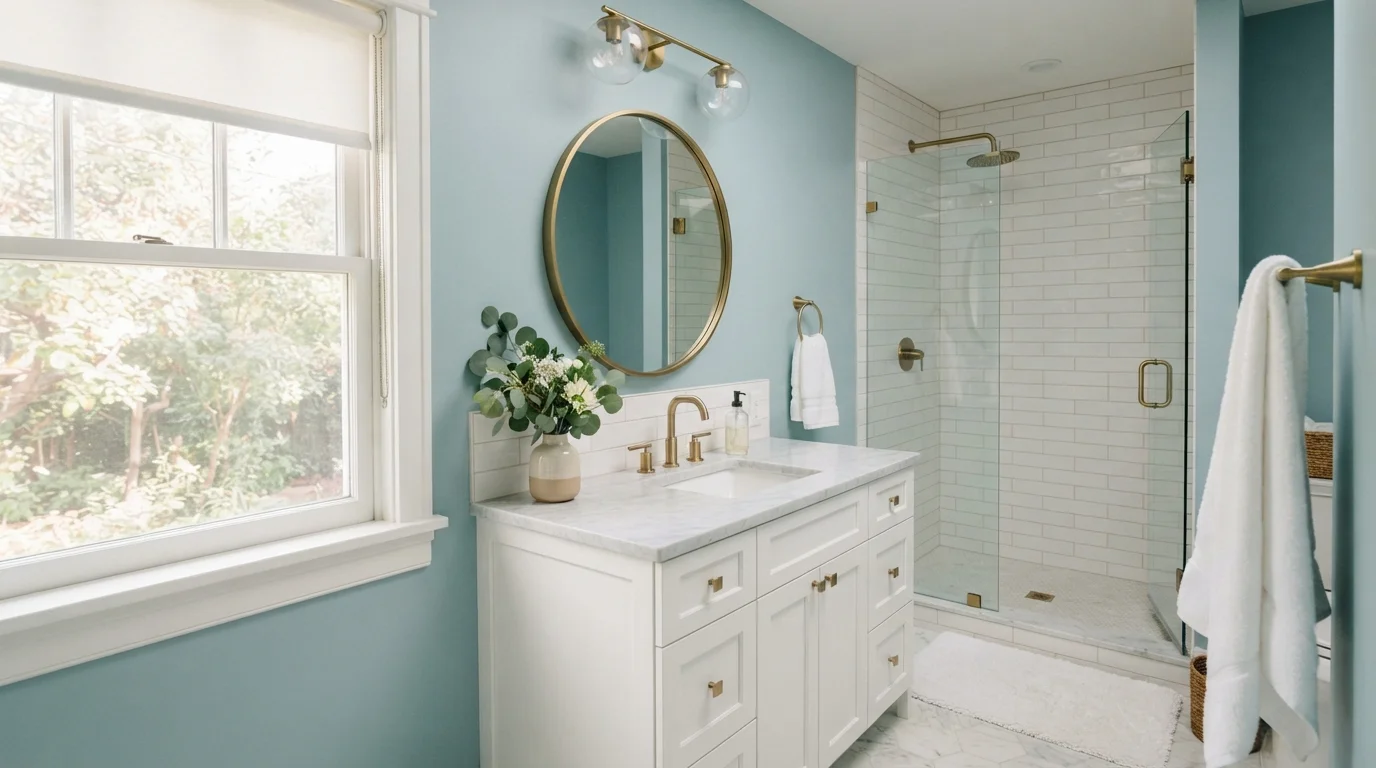
Choosing the right paint color for your bathroom can be tricky. It is a space where function meets relaxation, and the wrong shade can make a small room feel cramped or a large one feel cold. As an expert in home design, I have curated the best bathroom paint colors that not only look stunning but also hold up against humidity and daily use.
This guide covers the top hues for 2025, from soothing neutrals to bold accents. You will learn which finishes work best and how to pair colors with your fixtures. Whether you are refreshing a powder room or remodeling a master bath, these selections will help you create a cohesive, spa-like retreat that boosts your home’s value.
Why Paint Choice Matters in Bathrooms
Bathrooms face unique challenges. Steam, temperature changes, and splashes can wreck a poor paint job. That is why selecting the best bathroom paint colors goes beyond aesthetics — it is about durability and longevity.
Moisture resistant paints are essential. Look for formulas labeled “bathroom paint” or “kitchen and bath.” These contain mildewcides and binders that prevent peeling and mold growth. According to the Paint Quality Institute, a quality paint can last 5-7 years in a bathroom if applied correctly.
Also, consider the size of your space. A tiny half-bath can handle a dark, dramatic color, while a large master bath with natural light can pull off cooler tones. Your paint color sets the mood and affects how clean or cozy the room feels.
Top 6 Bathroom Paint Colors That Never Fail
1. Soft Greige — The Ultimate Neutral
Greige (a blend of gray and beige) has been dominating bathroom design trends for years — and for good reason. It works with almost any tile color, from white subway to Carrara marble. A shade like Sherwin-Williams Agreeable Gray creates a warm, balanced backdrop.
This color pairs beautifully with chrome fixtures and natural wood accents. It also hides water spots better than pure white. Use greige on walls and keep the ceiling a bright white for an airy feel.
2. Spa Blue — Calm and Serene
If you want a bathroom that feels like a luxury spa, go for a soft blue. Think Benjamin Moore Breath of Fresh Air or Sherwin-Williams Sea Salt. These colors lower your heart rate and mimic the tranquility of water.
Spa blue works especially well in bathrooms with natural light. Combine it with white linens and plants for a fresh, organic look. For small bathrooms, use this shade on an accent wall behind the vanity to avoid overwhelming the space.
3. Warm White — Classic and Clean
White is not going anywhere. But avoid sterile, cool whites that feel clinical. Instead, pick a warm white like Benjamin Moore White Dove or Behr Swiss Coffee. These have subtle undertones of cream or yellow that soften the room.
Warm white reflects light, making any bathroom appear larger. It is a top choice for small bathroom colors because it bounces natural light around. Pair it with black hardware or wood tones for contrast.
4. Sage Green — Grounding and Natural
Sage green is one of the best bathroom paint colors for homeowners who want a connection to nature. This muted green sits between gray and green, offering a calming effect without feeling too bold. Try Farrow & Ball Lichen or PPG Mint Leaf.
This shade works in both modern and farmhouse styles. It hides soap scum well and complements brass or nickel fixtures. Use sage green on all four walls in a medium-sized bathroom for a cocooning effect.
5. Charcoal Gray — Dramatic and Sophisticated
For a bold statement, charcoal gray delivers. Do not be afraid of dark colors in a bathroom — when done right, they look incredibly upscale. Sherwin-Williams Iron Ore or Benjamin Moore Wrought Iron are excellent picks.
Charcoal works best in powder rooms or large master baths with good lighting. It makes white porcelain fixtures pop. Balance the darkness with a glossy finish on the walls and plenty of mirrors to reflect light.
6. Blush Pink — Soft and Romantic
Blush pink has evolved from a niche choice to a mainstream favorite. It adds warmth without being too feminine or childish. Shades like Sherwin-Williams Romantic Pink or Behr Rose Silk are subtle enough for a primary bathroom.
Blush pairs beautifully with gray tiles, marble, and gold accents. It is especially flattering under warm vanity lighting. Use it in guest bathrooms for a welcoming touch that feels curated.
How to Choose the Right Paint Sheen for Bathrooms
Color is only half the equation. The sheen (or finish) of your paint determines how it handles moisture and cleaning. The best bathroom paint colors will fail if you use the wrong sheen.
| Sheen Type | Best Use in Bathroom | Pros | Cons |
|---|---|---|---|
| Flat/Matte | Ceilings only | Hides imperfections | Hard to clean, absorbs moisture |
| Eggshell | Walls (low humidity) | Soft look, slight washability | Can streak with scrubbing |
| Satin | Walls (best for bathrooms) | Good durability, easy to wipe | Shows roller marks if not applied well |
| Semi-Gloss | Trim, vanity, cabinets | Very durable, moisture resistant | Highly reflective, shows every flaw |
| High-Gloss | Accent details | Extremely durable, easy to clean | Too shiny for large areas |
For most bathrooms, I recommend a satin finish on walls. It provides the perfect balance of subtle sheen and practical cleanability. Use semi-gloss on trim and doors for extra protection against fingerprints and condensation.
Small Bathroom Color Ideas That Open Up the Space
If you are working with a tight square footage, your color choice can make or break the room. The best bathroom paint colors for small spaces prioritize light reflection and visual flow.
- Stick to light neutrals: Beige, light gray, and off-white expand the room visually.
- Use the same color on walls and trim: This technique, called color drenching, removes visual breaks and tricks the eye into seeing more space.
- Add a vertical stripe accent: Paint one wall with subtle vertical stripes to draw the eye upward and create height.
- Limit high contrast: Avoid dark wainscoting with white upper walls if the room is very narrow — it breaks the space into shorter segments.
Light-colored paint alone cannot fix a cramped room. Combine your color choice with mirrors, adequate lighting, and open shelving to maximize the effect.
Pairing Paint Colors With Bathroom Fixtures
Your bathroom fixtures — tub, toilet, sink, vanity — have their own colors and undertones. To achieve a cohesive look, your paint must harmonize with these fixed elements.
White fixtures are the easiest to work with. They accept any paint color, from bold navy to soft pastel. If you have off-white or almond fixtures, stick to warm paint tones (yellow-based creams or greiges) to avoid a clash.
Tile color is your next priority. Avoid matching paint exactly to your tile — that creates a flat, boring look. Instead, go one shade lighter or darker. For example, pair gray tile with a greige wall, or beige tile with a warm white wall.
Metallic finishes matter too. Chrome and nickel read as cool metals, so they pair well with cool blues and grays. Brass and gold are warm metals, best complemented by creams, olives, and blush tones.
Frequently Asked Questions
What is the most popular bathroom paint color?
The most popular is a warm white or off-white, like Benjamin Moore Swiss Coffee. It is versatile, bright, and pairs with any design style. In 2025, greige is close behind as a trendy neutral.
Can I use regular paint in a bathroom?
You can, but it is not recommended. Regular paint lacks mildewcides and will peel or blister in high humidity. Always choose a paint labeled as bathroom or kitchen paint for best results.
Should I paint the ceiling in a bathroom?
Yes. Paint the ceiling the same color as the walls if you want a taller, more seamless look. Use a flat white if you prefer a traditional finish that hides drywall imperfections.
What color paint makes a bathroom look bigger?
Light, cool colors like soft blue, pale gray, and white make a bathroom look larger. These reflect light and push the walls back visually. Avoid dark or overly warm tones in very small rooms.
Is matte paint okay for bathroom walls?
Matte paint is risky on bathroom walls. It absorbs moisture and stains easily. If you love a matte look, consider a satin or eggshell finish that still has a low sheen but better durability.
How often should I repaint a bathroom?
With proper paint and ventilation, repaint every 3-5 years. High humidity bathrooms may need it sooner if you see peeling, mildew, or fading. Good ventilation (exhaust fan) extends paint life significantly.
Can I use dark colors in a bathroom without windows?
Yes, but you must compensate with strong artificial lighting. Use multiple light sources — a vanity light, ceiling fixture, and maybe a sconce. Dark colors in windowless bathrooms can feel dramatic and cozy if lit well.
What is the best paint for bathroom cabinets?
Use a semi-gloss or high-gloss paint on cabinets. These finishes withstand scrubbing and moisture. Look for a paint specifically formulated for cabinetry, like Sherwin-Williams ProClassic or Behr Cabinet Paint.
Final Thoughts on Choosing Bathroom Paint Colors
Selecting the best bathroom paint colors is a blend of art and science. You need shades that speak to your personal style, but also colors that perform under tough conditions. Focus on moisture-resistant formulas and satin or semi-gloss finishes.
Remember, paint is the most affordable way to transform a bathroom. A $40 gallon can change the entire feel of the room. Test samples first — paint a 2×2 foot square and live with it for a few days. Observe how it looks in morning light, evening light, and under artificial bulbs.
Whether you choose a serene spa blue, a warm greige, or a dramatic charcoal, the right color will make your bathroom a space you love to start and end your day in. Now go pick up that brush — your dream bathroom is just a coat of paint away.


